
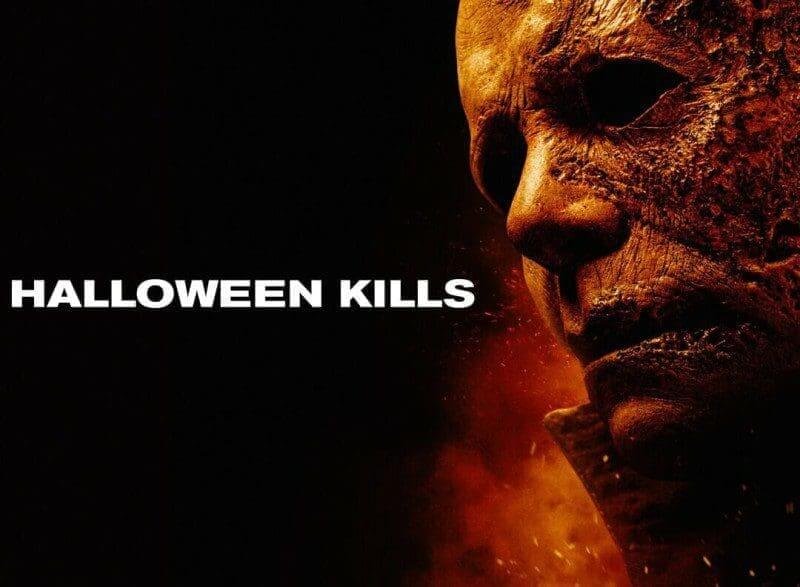
It’s been five years since Michael Myers returned for Halloween Kills, the blood-soaked middle child of David Gordon Green’s trilogy. By that point, we’d already watched Michael reclaim his place as one of horror’s most brutal killers in 2018’s Halloween, which delivered a near-perfect dream match between the Shape and Laurie Strode. That final showdown was a hell of a climax, and honestly, the 2018 film remains the crown jewel of this trilogy.
But I don’t believe it was the last great Halloween story this series had to offer. I’d argue that Halloween Kills deserves another look. Five years later, I still see a vicious, entertaining slasher that understands what makes Michael Myers terrifying and why we keep coming back to Haddonfield. I had my issues with it in 2021, and I still do, but there’s plenty here to love if you’re willing to look past the occasional stumble.
Welcome Back to Haddonfield. Hide Your Knives.
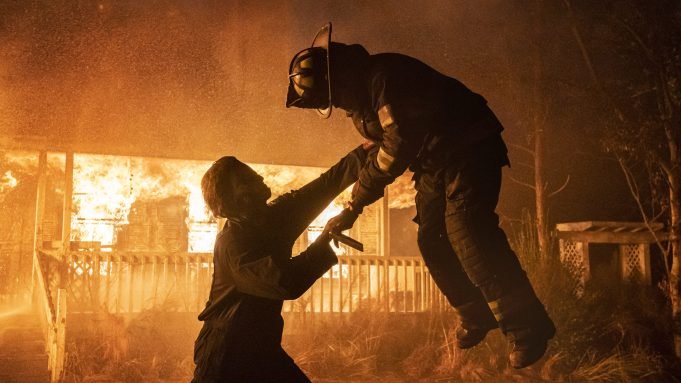
Picking up immediately after the events of the 2018 film, Halloween Kills finds Laurie Strode (Jamie Lee Curtis), her daughter Karen (Judy Greer), and granddaughter Allyson (Andi Matichak) believing they’ve finally trapped Michael inside a burning house. Naturally, the Shape survives. Did anyone really think a little fire was going to stop this guy? We recall the whole sequence where the Haddonfield fire department shows up to put out the blaze Michael was supposedly slowly burning in, was a bone of contention for many folks. Hell, people even set up a petition to get those scenes of Michael going ape on the firefighters removed from the film. If that wasn’t a precursor to the carnage this flick brought, we don’t know what is.
Curtis brings her familiar intensity to Laurie, whose decades of trauma have left her determined to end Michael’s reign of terror. Although Laurie spends much of the film recovering in the hospital, Curtis gives the character an emotional weight that reminds us what’s at stake beyond another night of slashing. Greer is particularly effective as Karen, balancing her mother’s obsession with protecting her own family. Matichak also holds her own as Allyson, whose grief and rage increasingly consume her as the night unfolds. Their performances give the carnage a personal cost, particularly when the film reaches its brutal final act.
One of the film’s biggest pleasures is seeing the original survivors return. Tommy Doyle, played by Anthony Michael Hall, joins Lindsey Wallace (Kyle Richards) and Lonnie Elam (Robert Longstreet) as Haddonfield’s old guard comes together to settle a score that’s been decades in the making. Tommy was one of the kids Laurie babysat in John Carpenter’s 1978 classic, and Hall brings an intensity to the grown-up character that makes his obsession with Michael believable.
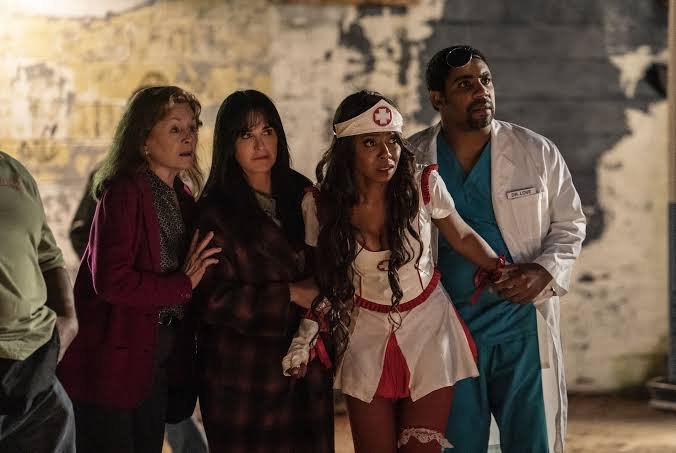
The idea of these survivors coming together while their own children become caught up in the nightmare is great stuff. Michael’s violence has haunted this town for decades, and now another generation is paying the price. It’s a fantastic way to connect the original film to the new trilogy, even if the movie occasionally lays the nostalgia on a little thick.
We get it. These people remember that Halloween night. We remember it, too!
Michael Myers: Neighborhood Watch’s Worst Nightmare
Let’s talk about the kills, because Halloween Kills doesn’t exactly hold back.
James Jude Courtney once again makes Michael a terrifying physical presence, moving with that familiar, deliberate determination that tells you somebody’s day is about to get considerably worse. The practical effects are gloriously nasty, and the film embraces its body count with an enthusiasm that would make a slasher veteran proud.
One sequence that deserves special attention follows Michael as he moves through a neighborhood, methodically attacking its residents. The multiple tracking shots are fantastic, capturing the Shape’s relentless movement as the violence unfolds around him. They are beautifully staged, deeply unsettling, and exactly the kind of sequences that remind you why Michael Myers is such an enduring horror icon.
There’s something about watching him move from house to house, turning an ordinary suburban street into a killing ground, that feels quintessentially Halloween. No elaborate mythology required. No complicated explanation for his behavior. Just Michael, the darkness, and a neighborhood full of very unfortunate people.
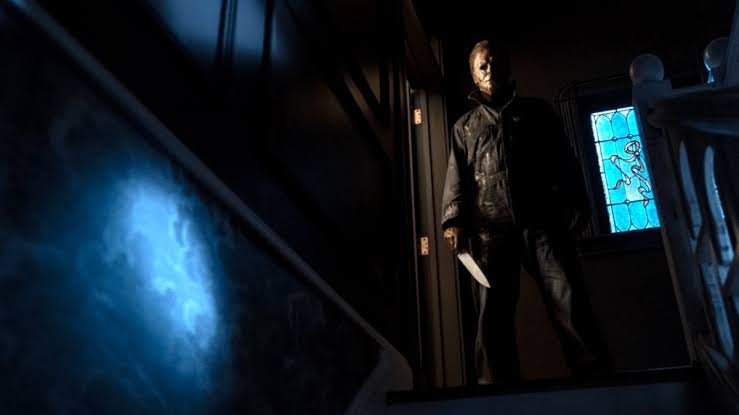
Some of the violence is so outrageous that you can’t help but laugh. That’s not a criticism. Good horror should occasionally make you laugh, even if you’re laughing at something you probably shouldn’t be. There’s a fine line between disturbing and entertaining, and Halloween Kills gleefully dances all over it.
John Carpenter, Cody Carpenter, and Daniel Davies also deliver a soundtrack that amplifies the suspense and lingering dread. The music understands the assignment, building on the atmosphere of the original while giving this film its own brutal rhythm.
Evil Dies Tonight! We Get It, Tommy!
Not everything works quite as well.
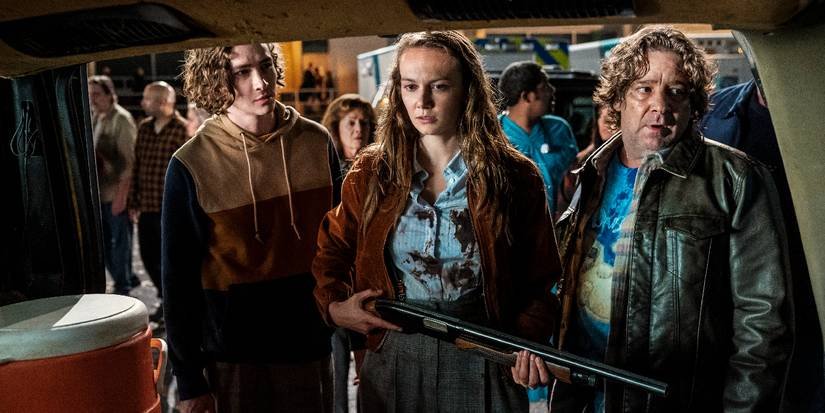
The film’s exploration of Haddonfield’s mob mentality is an interesting idea. After decades of fear, the townspeople decide they’ve had enough. Tommy rallies the community, and suddenly everyone wants to hunt down Michael Myers. Unfortunately, their determination quickly turns into collective hysteria. The repeated declaration that “Evil dies tonight” gets old. Fast. I said as much in my original review, and five years later, my opinion hasn’t changed. There’s only so many times a phrase can be shouted before it starts sounding less like a rallying cry and more like somebody’s forgotten to change the batteries in a talking toy.
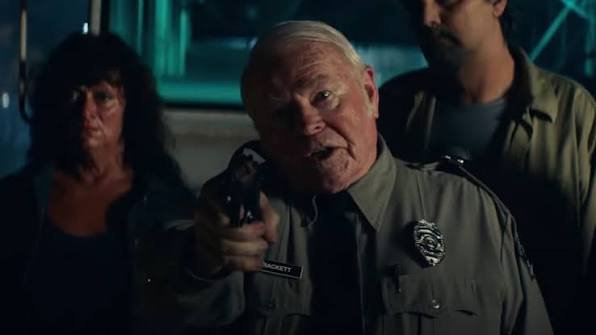
Still, the underlying concept works. Haddonfield’s residents are so desperate to destroy Michael that they lose sight of reason, leading to a tragic case of mistaken identity involving another escaped psychiatric patient. Their fear turns them into a mob, and the consequences are devastating. Anthony Michael Hall deserves credit for making Tommy’s anger feel rooted in a lifetime of trauma. He isn’t simply a guy who wants to kill a monster. He’s a survivor who has spent decades carrying the memory of that night, and now he sees an opportunity to make things right.
The problem is that the movie occasionally overexplains its message. We could have used a little less shouting and a little more breathing room. But the idea of an entire town becoming consumed by fear gives Halloween Kills something beyond its impressive body count.
The Middle Child Has Some Issues
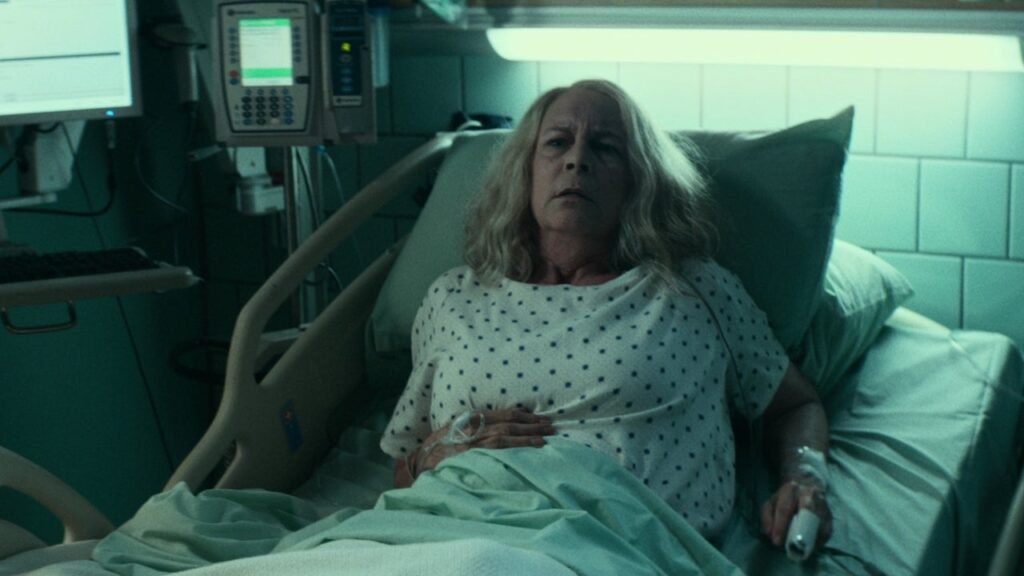
My original review described Halloween Kills as suffering from classic middle-child syndrome. With the trilogy complete, that criticism still holds. The movie spends much of its runtime building toward a final confrontation between Laurie and Michael, yet Laurie spends most of the story recovering in the hospital while other characters carry the action. The result sometimes feels like an extended setup for the next installment.
At the time, I was willing to accept that because Halloween Ends was just around the corner. I expected the next film to deliver the showdown we’d been promised. Then Halloween Ends arrived.
Halloween Ends: The Destruction of Michael Myers
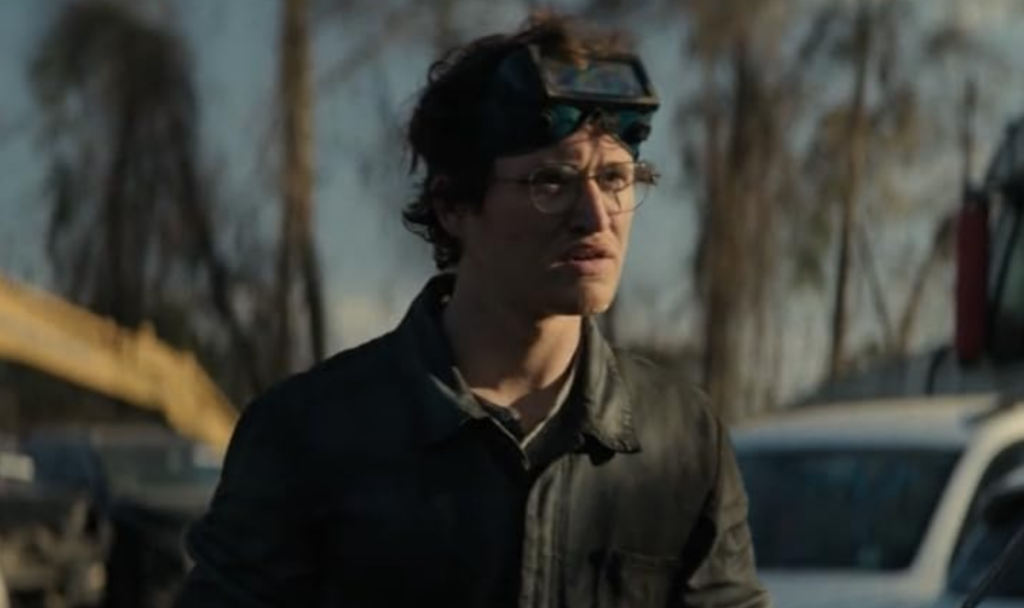
I appreciate that David Gordon Green wanted to take a different approach with Halloween Ends. Introducing Corey Cunningham (Rohan Campbell), a young man whose life spirals after a tragic accident, was an ambitious choice. Campbell gives Corey an unsettling vulnerability before gradually revealing a much darker side.
The idea that evil can spread through a community, potentially creating another monster, isn’t without merit. Haddonfield has spent decades living with Michael’s legacy, and Corey becomes a disturbing reflection of what that trauma can produce. I understand what the filmmakers were trying to say, even if I wasn’t entirely sold on the execution.
My bigger problem was Michael himself. After watching him survive the events of Halloween and slaughter his way through Halloween Kills, seeing him reduced to a weakened figure hiding in the sewers was jarring. Michael has been injured before, of course. Halloween 4:The Return Of Michael Myers ends with him apparently defeated, only for Halloween 5: The Revenge of Michael Myers to reveal that he survived after being nursed back to health by a mysterious hermit. Being vulnerable isn’t new territory for the Shape, but Ends takes that vulnerability in a direction that didn’t work for me.
Then there’s the final confrontation.
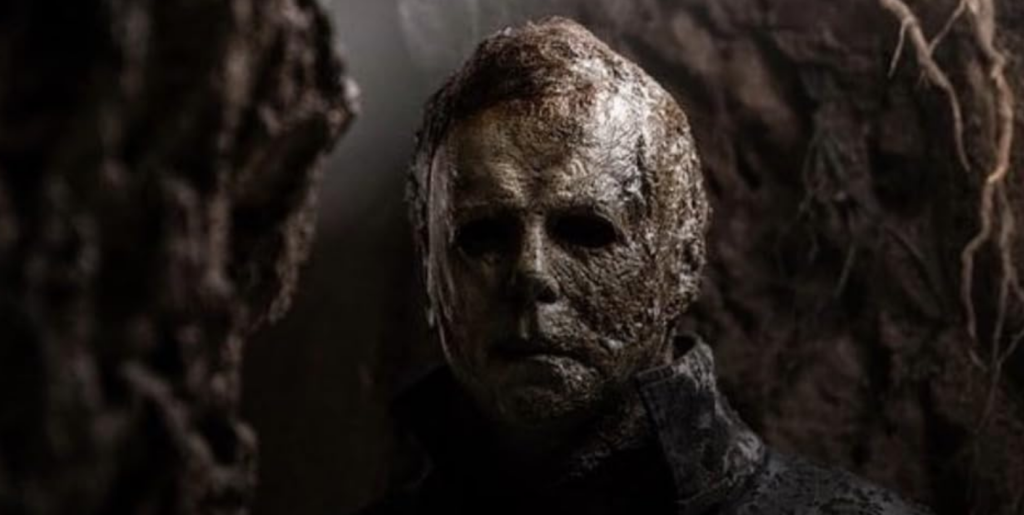
I wanted something almost like Batman versus the Joker: two lifelong enemies whose existence has become inseparable, finally facing one another for the last time. Laurie Strode and Michael Myers deserved a showdown carrying the weight of everything they’d endured. Instead, we get something closer to a geriatric WrestleMania. Two aging, battered adversaries struggle to finish what they started, barely able to keep going but refusing to surrender. There’s something compelling about that image, but the battle doesn’t quite deliver the payoff I’d hoped for. Corey’s storyline takes up so much space that the central conflict feels shortchanged.
And Michael’s eventual destruction? Well, the title Halloween Ends certainly means business. His body is fed into an industrial shredder while Haddonfield watches, leaving little room for doubt about the filmmakers’ intentions. Michael is dead, his evil is supposedly eradicated, and the town can finally move on.
Honestly, The Destruction of Michael Myers might have been a more fitting title. I respect the ambition, but I wasn’t a fan of how the trilogy concluded. After building Michael into such an unstoppable force, I wanted a final fight with Laurie that truly reflected their history. I simply wish the filmmakers had taken a different path to the finish line.
Five Years Later, I’m Still Team Carnage
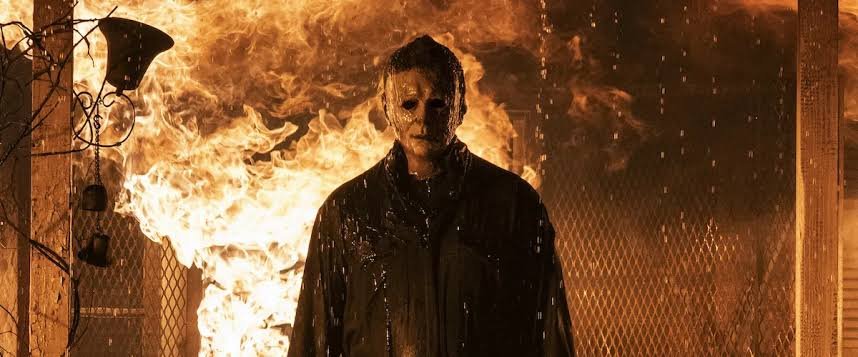
Despite my reservations about Halloween Ends, I still believe Halloween Kills deserves another look. The performances give the carnage emotional stakes, the soundtrack is outstanding, and Michael Myers remains a formidable slasher presence.
The film has flaws. The repetitive dialogue and middle-chapter structure hold it back, but they don’t erase what works. The brutality, practical effects, legacy connections, and those incredible neighborhood tracking shots make this more than a glorified setup for the finale. My original review made a point that still stands: sometimes audiences become so focused on what a horror movie should be that they forget to enjoy what it actually is. Criticism is important, but not every creative decision has to match our personal expectations to make a film worthwhile.
Halloween (2018) may be the crown jewel of this trilogy, but I still believe Halloween Kills is a worthy companion and one hell of a Halloween movie. Put it on in October, turn up that Carpenter score, and enjoy the carnage.
Michael Myers is still worth the trip.