


Author’s Note
Welcome back to Australia’s Darkest Hour. My name is Rhiannon Elizabeth Irons, and I’ll be your host as we continue to explore some of the most profound, complex and devastating crimes in Australian history. In this installment, we examine an event that shocked the country to its core: the 2009 murder of four-year-old Darcy Freeman.
Australia’s Darkest Hour is dedicated to documenting these pivotal moments in our nation’s history, uncovering the facts and honouring the victims and the legacies left behind. Given the nature of this case, reader discretion is strongly advised. This article contains detailed discussions of severe domestic violence, parental filicide, child abuse, and the fatal assault of a young child.
The details surrounding Darcy’s death on Melbourne’s West Gate Bridge are painfully distressing. However, examining this case objectively and thoroughly is vital to understanding a crime that fundamentally reshaped Australian public awareness surrounding family violence, child protection and family law reform.
Introduction: Peak Hour Trauma on the West Gate
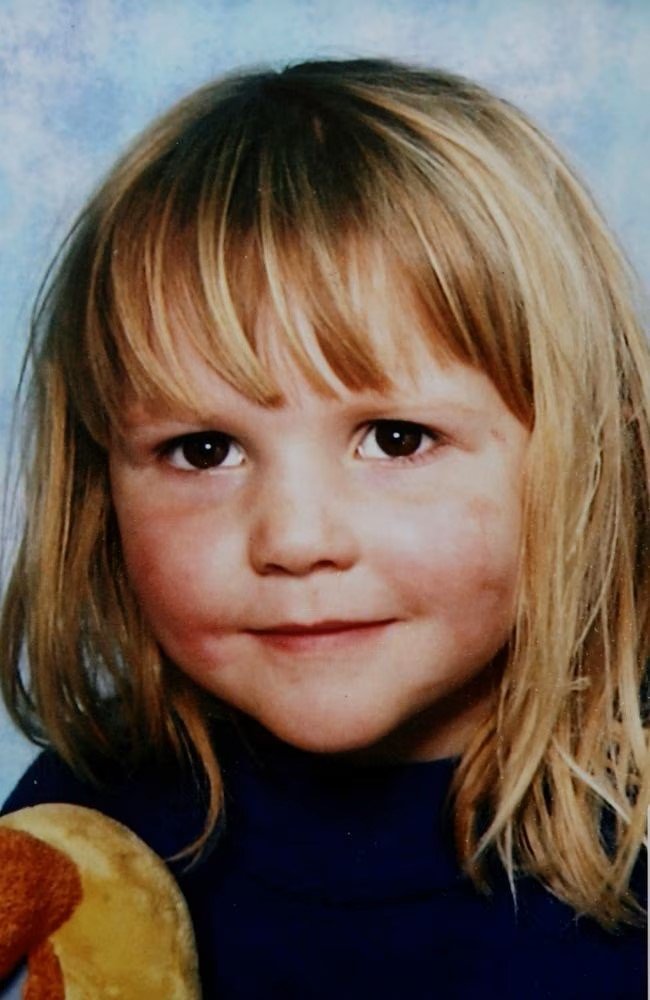
On the warm, clear morning of Thursday, January 29, 2009, Melbourne’s West Gate Bridge was choked with typical morning peak-hour traffic. Tens of thousands of commuters were making their slow journey toward the city center, moving bumper-to-bumper across one of Australia’s busiest arterial spans.
Among the gridlock was Arthur Freeman, driving his blue Toyota Land Cruiser. Inside the vehicle were his three young children: six-year-old Ben, four-year-old Darcy and two-year-old Jack. To surrounding drivers, it appeared to be a routine morning commute, a father taking his young family to school and kindergarten.
At approximately 8:50 a.m., as the Land Cruiser reached the apex of the bridge, a towering 58 meters above the dark waters of the Yarra River and Yarra Bay, Freeman pulled his vehicle into the far-left emergency stopping lane and turned on his hazard lights.
What transpired next occurred in full view of horrified onlookers stuck in adjacent lanes.
Arthur Freeman stepped out of the driver’s side, opened the left passenger door, unbuckled four-year-old Darcy, lifted her out of the vehicle and carried her to the bridge railing. Without hesitation or visible emotion, he threw her over the side.
He then returned to his vehicle, sat down behind the wheel and drove off into the moving traffic, leaving his two terrified young sons sitting alone in the back seat.
The act was instantaneous, deliberate and witnessed by dozens of motorists. Within minutes, the news sent shockwaves across Victoria and the entire nation, leaving the public struggling to comprehend how a parent could use his own child as an instrument of ultimate revenge.
Part I: The Breakdown of the Freeman Family
The Early Years and Marriage
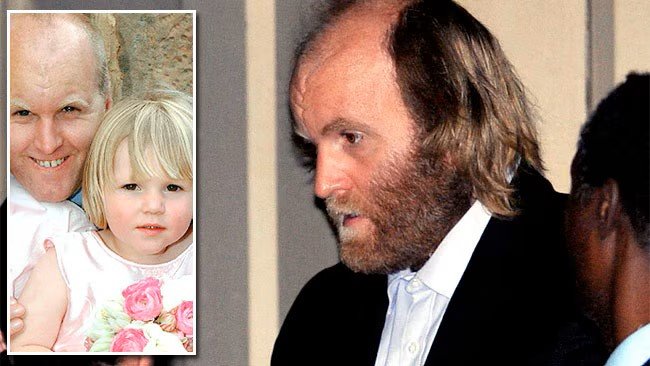
Darcy Iris Freeman was born in December 2004, the second child of Arthur Phillip Freeman and Peta Barnes. Those who knew Darcy remembered her as a bright, affectionate, and deeply creative four-year-old girl. She had a gentle nature, loved drawing, and was filled with excitement as she prepared to join her older brother Ben at primary school for her very first year of kindergarten.
Arthur Freeman and Peta Barnes had married in 2000. On the surface, they appeared to be an ordinary suburban couple, but behind closed doors, the relationship was marred by tension, psychological abuse and Freeman’s intense desire for domestic control. Freeman, who worked in sales, was described by acquaintances as a man prone to explosive mood swings, rigid expectations and possessiveness.
By 2007, after years of increasing emotional volatility and conflict, the marriage reached its breaking point. Peta Barnes initiated a separation, moving out with the three children.
The Escalating Custody Battle
Following the separation, a bitter and prolonged dispute over parenting rights commenced in the Family Court of Australia. Freeman struggled deeply with the loss of control over his wife and family unit. He increasingly viewed the legal proceedings not as a measure to secure the best interests of his children, but as a personal war against his ex-wife.
The court proceedings stretched across 2007 and 2008, accompanied by rising animosity. Court filings showed a history of ongoing disagreements regarding access times, handover locations and decision-making responsibilities:
• Mid-2008: Disputes intensified over holiday access and schooling choices.
• January 28, 2009 (24 Hours Before the Murder): A crucial hearing took place at the Federal Magistrates Court in Melbourne.
• The Judicial Ruling: Federal Magistrate Stephen Scarlett issued orders granting Peta Barnes primary residence of the three children. Freeman was granted reduced contact, specifically, contact on alternate weekends, half of the school holidays and specific special occasions.
Those present in the courtroom noted that Freeman reacted to the ruling with visible shock and distress. To Freeman, losing primary access was not merely a legal setback; he perceived it as an intolerable defeat orchestrated by his ex-wife.
Part II: January 29, 2009: The Timeline of a Tragedy
The Morning Departure
On Thursday, January 29, 2009, Freeman was scheduled to pick up the children and take six-year-old Ben and four-year-old Darcy for their orientation day at St Joseph’s Primary School in Hawthorn. It was meant to be a joyous milestone for the family.
Freeman collected Ben, Darcy and two-year-old Jack from Peta Barnes’ parents’ home. Initially, there were no outward signs that he intended to commit a violent crime. However, instead of navigating toward the school route in Hawthorn, Freeman altered his course entirely, driving west toward the West Gate Freeway and ascending the West Gate Bridge.
The Crucial Phone Calls
While driving up the incline of the bridge, Freeman placed a phone call to his ex-wife, Peta Barnes.
According to testimony later presented in court, Freeman’s voice was cold and measured. He informed her that he was on the West Gate Bridge and declared words to the effect of:
“You’re never going to see the kids again.”
Panicked, Peta Barnes tried frantically to keep him on the line while desperately attempting to contact emergency services and family members. Seconds later, Freeman placed a second brief, erratic call to his own father, making statements indicating that he was at the end of his tether and intended to throw himself or the children off the bridge.
Detailed Timeline of Events: January 29, 2009
├── 08:00 AM: Freeman collects Ben (6), Darcy (4) and Jack (2) from their mother’s family home.
├── 08:35 AM: Route diverges from Hawthorn school direction toward the West Gate Freeway.
├── 08:48 AM: Freeman calls Peta Barnes: “You’re never going to see the kids again.”
├── 08:49 AM: Freeman calls his father; Land Cruiser stops in the emergency lane at the apex.
├── 08:50 AM: Freeman removes Darcy from the backseat and drops her 58 meters off the bridge.
├── 08:51 AM: Freeman returns to the car, leaving Ben and Jack in the back, and drives away.
├── 08:52 AM: Flood of 000 calls; Victoria Police, MFB and Ambulance Victoria scramble teams.
├── 09:00 AM: Water Police retrieve Darcy from Yarra Bay; continuous CPR initiated.
├── 09:25 AM: Freeman enters the Commonwealth Law Courts; surrenders to security and police.
└── 01:35 PM: Darcy Freeman dies from severe internal injuries at Royal Children’s Hospital.
The Act on the Apex
At 8:50 a.m., Freeman pulled his Toyota Land Cruiser into the emergency stopping lane near the very center span of the West Gate Bridge.
Witnesses in neighboring lanes, trapped in slow-moving peak-hour traffic, watched the scene unfold with growing unease:
- Freeman stepped out of the driver’s door, walked around to the left passenger side and unlatched four-year-old Darcy from her child seat.
- He carried Darcy toward the waist-height barrier. Witnesses noted that Darcy appeared calm, completely unaware of what was about to happen.
- Freeman lifted her over the 1.2-meter concrete guardrail and dropped her into the 58-meter (190.22 feet) abyss below.
Eyewitnesses reported that six-year-old Ben put his face against the vehicle’s window, watching in confusion as his father walked back to the driver’s seat alone. Freeman started the engine and accelerated away, merging seamlessly into the outbound traffic lane toward Geelong.
The Emergency Effort and Rescue
The moment Darcy was dropped, horrified motorists began screaming, jumping out of their cars and frantically dialling 000. Several commuters ran to the edge of the bridge, looking down into the water in a desperate effort to keep eyes on the small figure floating in the bay below.
Victoria Police Water Police units, stationed nearby at Williamstown, were dispatched immediately alongside police helicopters and Metropolitan Fire Brigade vessels.
Within minutes, Water Police vessel VP01 reached the scene beneath the bridge. Crew members spotted Darcy’s small body in the water and retrieved her at approximately 9:00 a.m. Paramedics on board immediately initiated aggressive, continuous CPR. She was brought ashore to a waiting mobile intensive care ambulance and rushed under police escort to the Royal Children’s Hospital.
Medical teams in the trauma bay worked tirelessly for hours. However, the force of the impact from a 58-meter drop onto the water surface was equivalent to hitting solid concrete. Darcy had sustained catastrophic internal organ damage, massive internal bleeding and profound trauma. At 1:35 p.m. that afternoon, doctors officially pronounced four-year-old Darcy Freeman dead.
Part III: The Arrest and Shockwave
Surrender at the Family Court
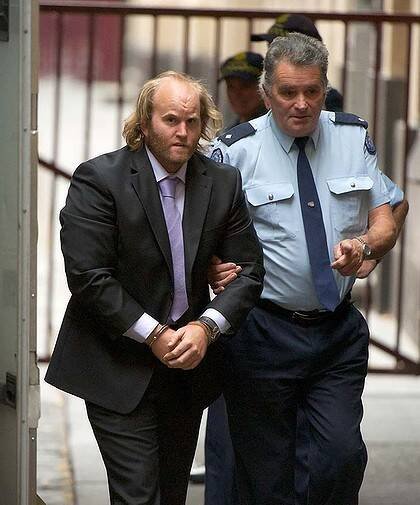
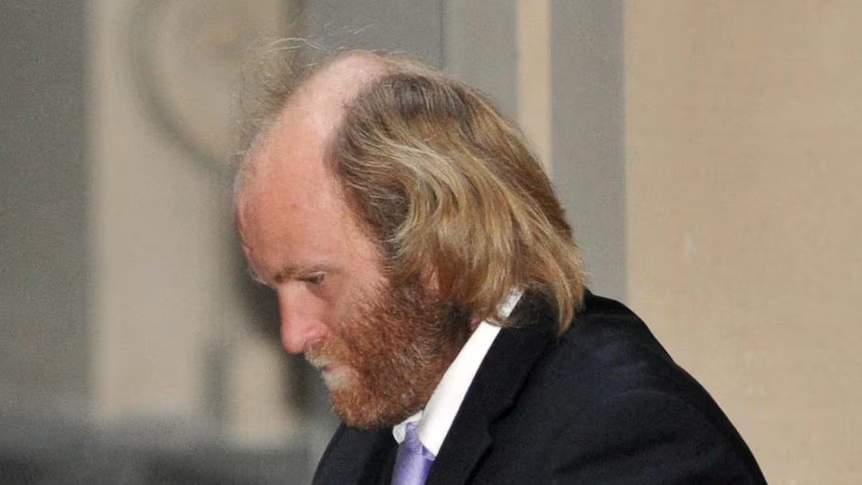
After leaving the bridge, Freeman did not attempt to go into hiding or flee the state. Instead, he drove his two remaining sons, Ben and Jack, directly to the Commonwealth Courts complex on William Street in Melbourne’s central business district, the very building where his custody hearing had taken place less than 24 hours prior.
At approximately 9:25 a.m., Freeman walked through the front doors of the courthouse holding his two young sons. He was trembling, visibly distressed and weeping.
He approached the private security officers stationed at the metal detectors and stated that he had thrown his daughter off the West Gate Bridge. Court security immediately detained Freeman, shielded the two boys and contacted Victoria Police homicide detectives.
Ben and Jack, though physically unharmed, were severely traumatized. They were taken to a safe room within the building, comforted by police officers and child support staff, and soon reunited with their frantic mother, Peta Barnes.
Public Outrage and National Grief
As news of Darcy’s death spread, an outpouring of grief and anger swept Melbourne. The West Gate Bridge, a vital industrial artery, became an impromptu floral memorial.
Members of the public drove to the bridge base at Westgate Park to lay flowers, soft toys and written letters dedicated to the four-year-old girl.
The crime struck a raw nerve in the Australian consciousness. While violent crimes committed in private residences cause immense shock, a public execution-style murder of a child off a major capital city landmark in broad daylight challenged the nation’s sense of safety and decency.
Part IV: The Trial: Supreme Court of Victoria
The Legal Strategy: A Question of Sanity
The murder trial of Arthur Freeman commenced in the Supreme Court of Victoria in March 2011, presided over by Justice Murray Kellam.
Because the physical act of throwing Darcy off the bridge was witnessed by multiple independent onlookers and conceded by the defence, the legal battle did not focus on who committed the act, but rather on Freeman’s mental state at the moment of the offense.
The trial centered on Section 20 of the Crimes (Mental Impairment and Unfitness to be Tried) Act 1997. The primary legal question presented to the jury was: Was Arthur Freeman suffering from a mental impairment at the time of the conduct such that he did not know what he was doing was wrong?
Key Legal Battlelines in R v Freeman (2011)
┌─────────────────────────────────────────┬──────────────
───────────────────────────┐
│ THE DEFENSE CASE │ THE PROSECUTION CASE │
├─────────────────────────────────────────┼──────────────
───────────────────────────┤
│ • Argued defense of mental impairment. │ • Argued calculated, premeditated murder.│
│ • Claimed Freeman suffered severe, │ • Asserted Freeman acted out of anger, │
│ sudden psychological breakdown. │ spite and revenge against ex-wife. │
│ • Psychiatric experts claimed he was in │ • Pointed to threatening phone call to │
│ a state of “dissociative psychosis.” │ Peta Barnes (“You’ll never see them”).│
│ • Stated he felt driven by an │ • Highlighted deliberate choice of │
│ uncontrollable, irrational impulse. │ location and surrender site. │
└─────────────────────────────────────────┴──────────────
───────────────────────────┘
The Psychiatric Battle
A total of seven psychiatric and psychological experts testified during the trial, offering deeply contrasting opinions on Freeman’s sanity:
• Defense Psychiatric Experts: Testified that Freeman had experienced an acute, profound depressive breakdown leading to temporary severe mental impairment. They argued that his mind was so fragmented by the family court loss that he was acting in a state of automatic, irrational psychosis, rendering him incapable of reasoning with a calm mind.
• Prosecution Psychiatric Experts: Contended that while Freeman was undeniably angry, stressed and distressed by the custody ruling, he was not insane. They testified that extreme rage and bad intent do not equate to legal psychosis. They noted that his actions, driving across town, making a targeted telephone call to inflict maximum distress on his ex-wife, selecting an undeniably lethal height and surrendering at the court- demonstrated a clear understanding of reality and consequences.
The Eyewitness Testimony
The prosecution called several motorists who were stopped on the West Gate Bridge on the morning of January 29. Their testimony played a crucial role in dismantling the defence’s claim that Freeman was in an unthinking, catatonic or delusional state.
One witness testified that Freeman did not hesitate, stumble or show visible distress while lifting Darcy over the edge. Another motorist described Freeman’s movements as “deliberate, calm and methodical.”
Crucially, the jury heard audio recordings of the phone call Freeman made to Peta Barnes moments before the act, providing chilling evidence that his primary motive was to inflict unimaginable psychological punishment on the mother of his children.
The Verdict and Sentence
On April 11, 2011, after a high-profile trial lasting several weeks, the jury deliberated for nine hours before returning a unanimous verdict: Guilty of Murder. The jury completely rejected the defence of mental impairment.
Four days later, on April 15, 2011, Justice Murray Kellam delivered a scathing sentencing judgment in the Supreme Court of Victoria:
“This was a crime of unimaginable cruelty… You took the life of a helpless, trusting four-year-old child, your own daughter, in order to inflict the maximum possible agony upon your former wife. You used your daughter as an instrument of vengeance.”
Justice Murray Kellam, Supreme Court of Victoria, April 2011.
Justice Kellam sentenced Arthur Freeman to life imprisonment, setting a strict non-parole period of 32 years. Freeman will not be eligible to apply for parole until 2043, at which point he will be 66 years old.
Part V: Systemic Reforms and Physical Legacy
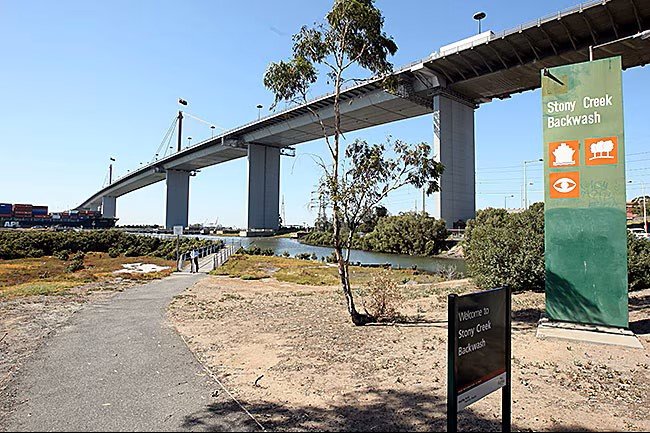
The West Gate Bridge Barrier Project
In the immediate aftermath of Darcy’s murder, intense public pressure mounted on the Victorian State Government to address the physical security of the West Gate Bridge. While the bridge had long been a known location for suicide attempts, Darcy’s murder proved that its open waist-height barrier presented an unacceptable risk to public safety.
In mid-2009, the Victorian Government committed $20 million to design and construct comprehensive safety barriers along the entire 2.5-kilometer span of the bridge.
Safety Feature | Pre-2009 Infrastructure | Post-2009 Safety Upgrade
Barrier Style | Low concrete barrier with steel handrail | Full-length, curved anti-climb mesh
Height | Approx. 1.2 meters | 2.5 meters high
CCTV Coverage | Standard traffic monitoring | Dedicated high-definition perimeter surveillance
Impact on Incidents | Frequent suicide attempts and emergency stops | Over 85% drop in crisis incidents on the span
Completed in 2011, the curved mesh barriers permanently altered the aesthetic of Melbourne’s iconic bridge, but they achieved their primary goal: completely preventing individuals from throwing objects, jumping or reaching over the edge.
Family Court and Domestic Violence Policy Shifts
Darcy Freeman’s murder served as a catastrophic wake-up call regarding the deadly realities of parental filicide, the murder of a child by a parent, and how domestic violence manifests during family law separations.
Prior to 2009, family law proceedings frequently treated intense post-separation disputes as “conflict between equal parties.” Darcy’s death forced legal scholars, judicial officers and child safety advocates to recognize that children are frequently weaponized by abusive partners exhibiting coercive control.
Following the case:
• Risk Assessment Frameworks: The Family Court of Australia overhauled its risk assessment procedures, implementing stricter screening protocols for parties exhibiting extreme obsession, control or severe distress following access modifications.
• Child Representative Policies: Greater emphasis was placed on appointing Independent Children’s Lawyers (ICLs) earlier in high-conflict parenting disputes to prioritize child safety over parental access rights.
• Research on Filicide: Australian criminologists established national filicide research registries to study the intersection between domestic separation, mental illness and fatal retaliatory violence against children.
Part VI: Trauma and First Responders
While the tragedy shattered Darcy’s immediate family, it also left lasting psychological scars on the wider community, including the eyewitnesses and emergency service personnel who responded to the scene.
The Impact on Onlookers
Dozens of everyday commuters who watched Freeman drop his daughter off the bridge suffered severe post-traumatic stress disorder (PTSD). Several motorists who testified during the 2011 trial spoke of enduring nightmares, panic attacks and an inability to drive across the West Gate Bridge in the years following the incident.
First Responders
The Water Police officers, MFB firefighters and paramedics involved in retrieving Darcy from the bay and attempting to revive her were profoundly affected. For many seasoned emergency workers, performing continuous CPR on a four-year-old victim under the eyes of the media and public was one of the most traumatic events of their careers. The incident led to enhanced psychological support protocols within Victoria Police and Ambulance Victoria for officers responding to extreme child trauma cases.
Conclusion: Remembering Darcy
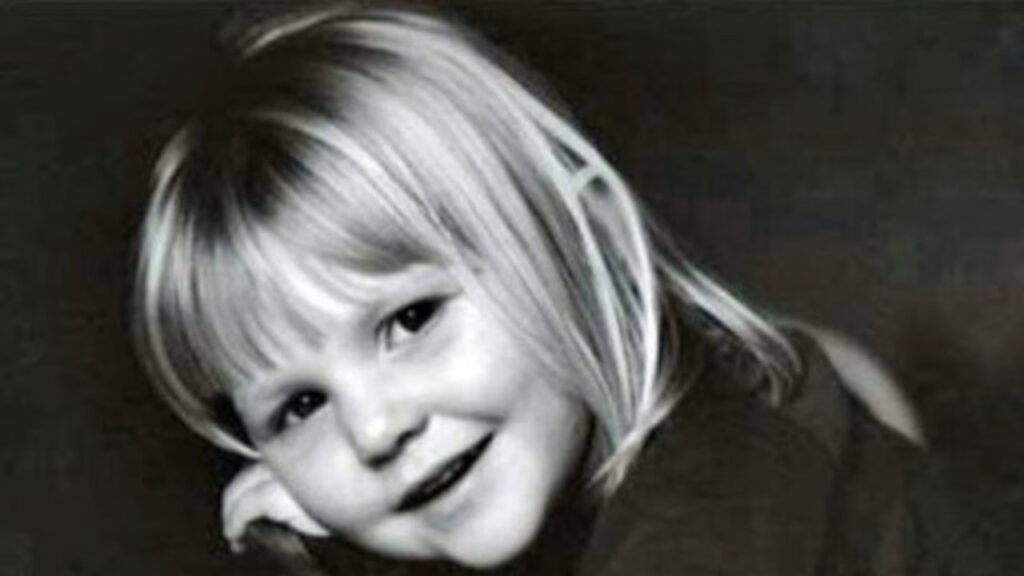
The murder of Darcy Freeman remains one of the most painful chapters in modern Australian history. It revealed a horrifying truth: that the deepest cruelty can sometimes come from those entrusted with a child’s absolute protection.
Yet, out of the darkness of January 29, 2009, meaningful change was forged. The physical modifications to the West Gate Bridge have saved countless lives in crisis over the past decade, while the legal and social lessons learned from her loss continue to shape how Australian courts assess risk and protect vulnerable children trapped in domestic disputes.
Darcy Iris Freeman’s life was cut short at just four years old, but her memory endures as a powerful, permanent reminder of society’s sacred duty to safeguard its children from harm.