


Welcome back to Australia’s Darkest Hour. My name is Rhiannon Elizabeth Irons, and I’ll be your host as we continue to explore some of the most profound, complex, and devastating crimes in Australian history. In this installment, we examine an event that shattered Australia’s image as a safe haven for international travelers: the sinister sequence of hitchhiker killings known as the Backpack Murders, carried out in Belanglo State Forest during the late 1980s and early 1990s.
Australia’s Darkest Hour is dedicated to documenting these pivotal moments in our nation’s history, uncovering the facts, and honoring the victims and the legacies left behind. Given the nature of this case, reader discretion is strongly advised. This article contains detailed discussions of severe physical violence, firearm offenses, predatory abduction, and multi-victim homicide.
The details surrounding the seven young backpackers targeted along the Hume Highway are deeply distressing. However, examining this case objectively and thoroughly is vital to understanding a crime spree that fundamentally altered Australian tourism, highway policing, and the development of task-force investigative methods.
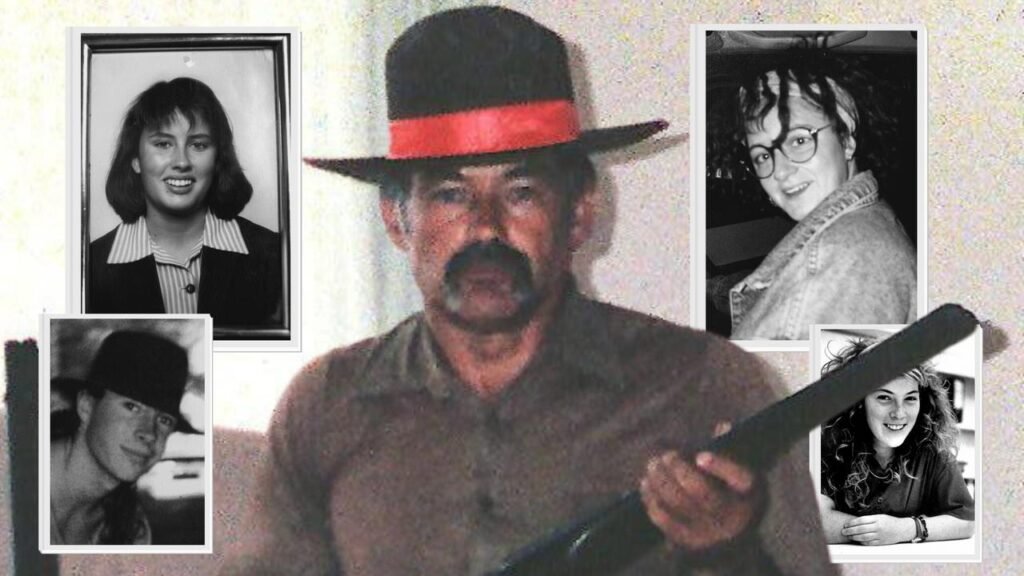
Introduction: The Shadows of Belanglo
On the afternoon of Saturday, September 19, 1992, two runners participating in an orienteering exercise inside the Belanglo State Forest, roughly 130 kilometres southwest of Sydney, diverted off a fire trail into dense bushland. Beneath a canopy of pine and eucalyptus, they stumbled upon a concealed pile of sticks and brush.
Beneath the debris lay the partially decomposed remains of two young human bodies.
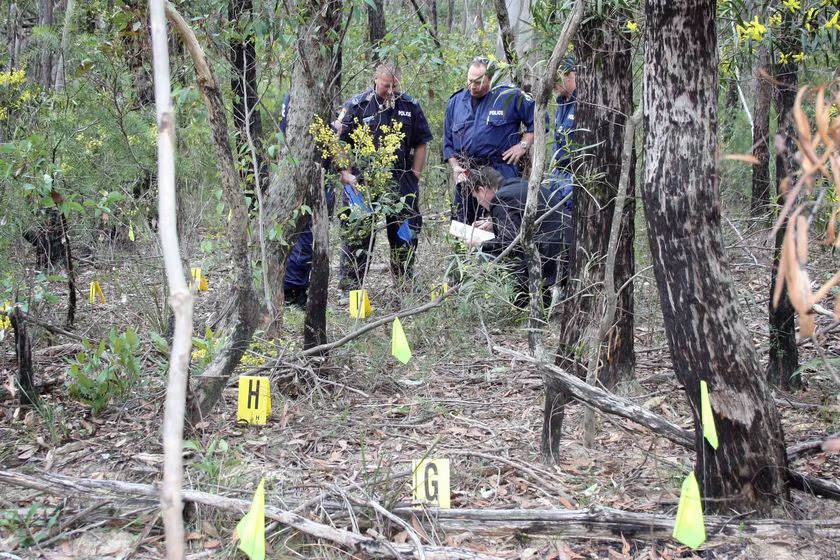
New South Wales Police were immediately dispatched to the remote, isolated state forest. Forensic identification confirmed the bodies belonged to British backpackers Caroline Clarke, 21, and Joanne Walters, 22, who had mysteriously vanished four months earlier after setting off from Sydney to pick fruit in Victoria.
What initial investigators hoped was an isolated double homicide quickly unraveled into Australia’s most infamous serial killer investigation. Over the following fourteen months, police search teams systematically combing the rugged, trackless forest unearthed five additional sets of human remains buried in shallow, scrub-covered graves.
The grisly discoveries launched Operation Task Force Air, a massive police investigation that would expose a calculated, predatory hunter operating along the state’s main arterial highway.
Part I: The Predator and the Hume Highway
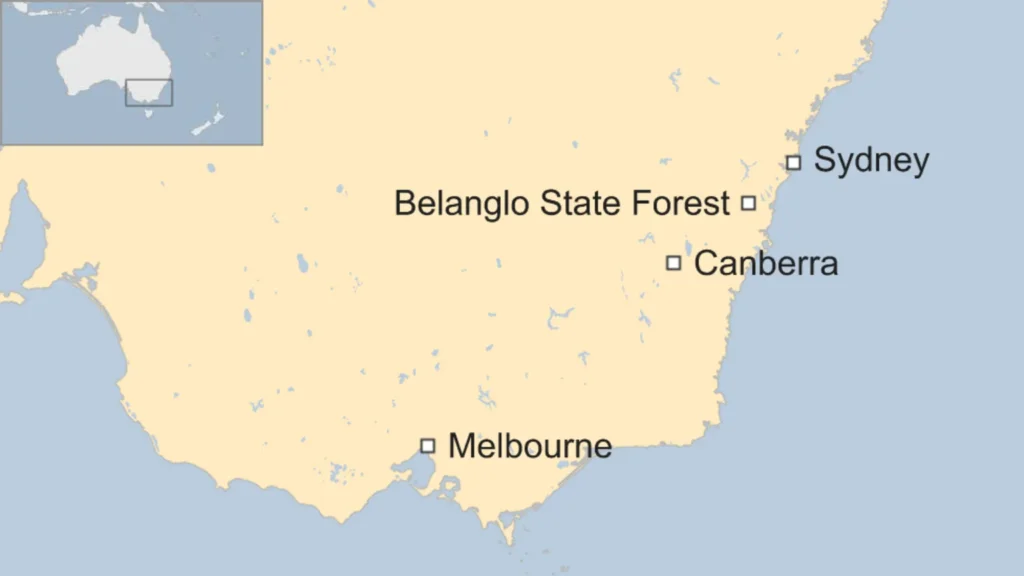
The Isolation of the Highway
During the late 1980s and early 1990s, hitchhiking was a ubiquitous, budget-friendly mode of transport for young international tourists exploring Australia. The Hume Highway, connecting Sydney to Canberra and Melbourne, served as a primary transit corridor.
For an opportunistic predator with extensive local knowledge of the vast, surrounding state forests, the highway offered an ideal hunting ground. Young travellers carrying heavy backpacks, separated from family overseas, provided a significant buffer of time before missing persons reports were even initiated.
The Background of Ivan Milat
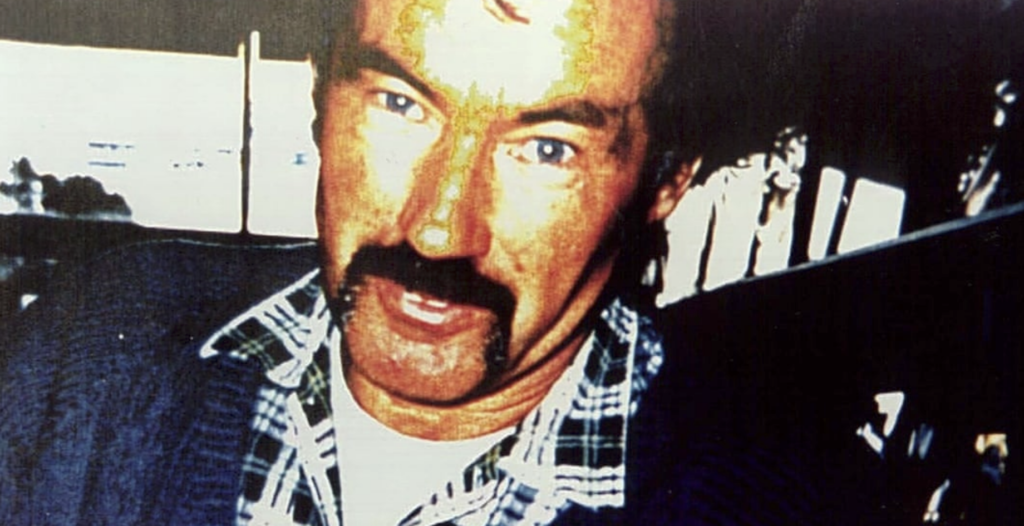
The man responsible for the terror was Ivan Robert Marko Milat, born in 1944 into a large family of fourteen children in Guildford, New South Wales. Milat was an experienced woodsman, gun enthusiast, and road worker for the Department of Main Roads, a job that routinely took him along the highways and fire trails surrounding Belanglo.
Milat possessed a long history of violent offences, armed robbery, and weapons charges dating back to his youth. In 1971, he was charged with the abduction and rape of two female hitchhikers near Liverpool, but was acquitted after presenting an alibi. Behind a veneer of working-class charm lay a sadistic narcissist who viewed young, vulnerable travellers as targets for dominance, control, and lethal sport.
Part II: 1989–1993 – The Timeline of Abductions
A Pattern of Predatory Violence
Milat’s victims were targeted in pairs or individually between December 1989 and April 1992. After picking up his victims along the Hume Highway, Milat would drive them deep into the desolate fire trails of Belanglo State Forest.
Once isolated, he bound, gagged, and subjected them to prolonged physical and psychological abuse before executing them. Forensic evidence demonstrated extreme overkill: victims suffered multiple gunshot wounds to the head, decapitation, and repeated stab wounds.
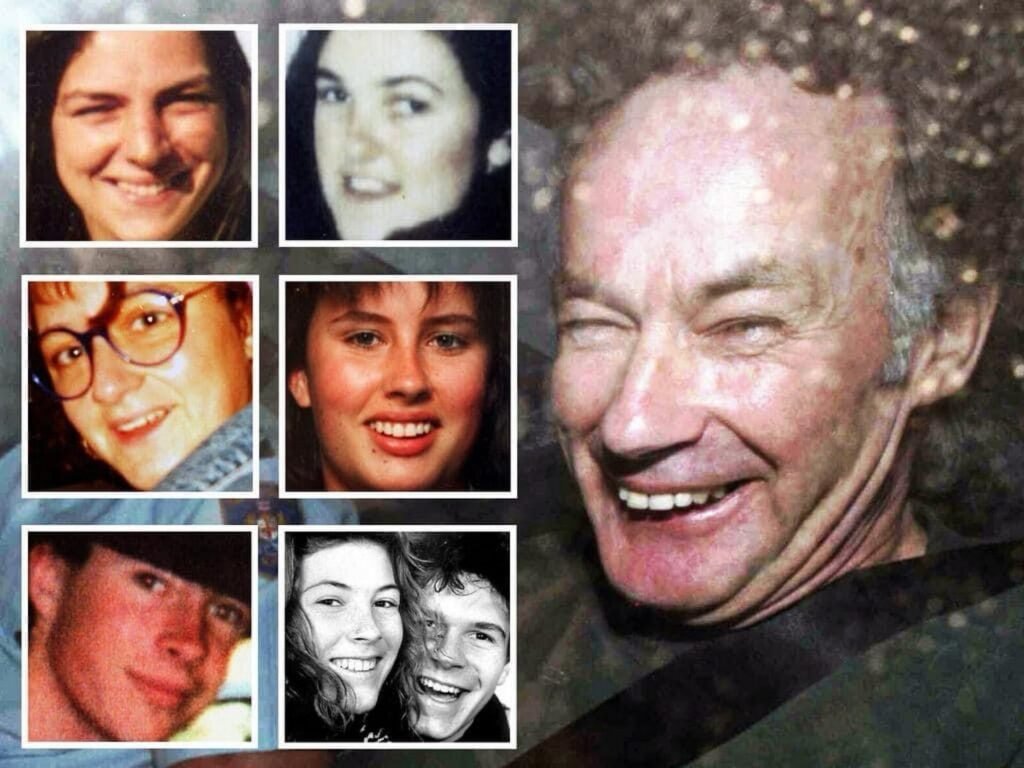
Detailed Timeline of Key Events (1989–1996)
• Dec 1989: Australian couple James Gibson (19) and Deborah Everist (19) vanish en route to Conargo.
• Jan 1990: British tourist Paul Onions accepts a ride from Milat and narrowly escapes after an armed attack.
• Dec 1990: German backpacker Simone Schmidl (21) disappears after hitchhiking south from Sydney.
• Apr 1992: German couple Gabor Neugebauer (21) and Anja Habschied (20) vanish after leaving Kings Cross.
• May 1992: British backpackers Joanne Walters (22) and Caroline Clarke (21) disappear from Sydney.
• Sep 19, 1992: Orienteers locate the remains of Walters and Clarke in Belanglo State Forest.
• Oct 5, 1993: Police discover the remains of James Gibson and Deborah Everist in a remote section of Belanglo.
• Nov 1, 1993: Search teams uncover the body of Simone Schmidl.
• Nov 4, 1993: The remains of Gabor Neugebauer and Anja Habschied are found nearby.
• Nov 13, 1993: Paul Onions contacts NSW Police from the UK after seeing news of the Belanglo discoveries.
• May 22, 1994: 500 police officers execute simultaneous raids; Ivan Milat is arrested at Eagle Vale.
• Jul 27, 1996: Milat is convicted on all counts and sentenced to seven life sentences without parole.
The Discovery in the Bush
Between September 1992 and November 1993, search teams meticulously excavated multiple sites across the forest. The physical evidence pointed to a single, recurring perpetrator who returned to the same execution site over years, treating the forest as an unpoliced personal dumping ground.
Part III: Operation Task Force Air and the Breakthrough

The Crucial Witness
Despite intensive public appeals and thousands of public tips, the investigation struggled until November 1993, when British citizen Paul Onions contacted Australian authorities.
Onions recounted that on January 25, 1990, while hitchhiking near Bowral, he was picked up by a man calling himself “Bill.” As they drove toward Belanglo, the driver pulled a revolver and ropes from under the seat. Onions managed to break free, sprint across the Hume Highway while under fire, and flag down a passing motorist who drove him to the police station.
Although a police report had been taken in 1990, it was misplaced during initial task-force cross-referencing. When re-examined in late 1993, Onions’ description matched suspect profiles compiled by investigators.
The Raid and the Evidence
In May 1994, Paul Onions was flown back to Australia and positively identified Ivan Milat from a photographic lineup.
At 6:30 a.m. on May 22, 1994, over fifty armed police officers raided Milat’s property in Eagle Vale, Sydney. Simultaneous search warrants were executed on properties belonging to other Milat family members.
Physical Evidence Recovered at Eagle Vale
• WEAPONRY: A disassembled .22-calibre Ruger rifle concealed inside a wall cavity, matching shell casings recovered from the murder sites in Belanglo.
• VICTIM PROPERTY: Sleeping bags, tents, backpacks, and clothing belonging to all seven victims found stored in Milat’s home and distributed as gifts to family members.
• CAMPING GEAR: Water bottles, cameras, and survival equipment verified through serial numbers provided by the victims’ families overseas.
Part IV: The Trial and Legal Verdict
The Defense Strategy: The Family Blame Shift
Ivan Milat’s trial commenced in the Supreme Court of New South Wales in March 1996, presided over by Justice David Hunt.
Faced with overwhelming forensic ballistics and recovered personal items, Milat’s defense team adopted a strategy of shifting blame onto his brothers, arguing that the large Milat family had access to his home and that any one of them could have committed the crimes.
Milat maintained his innocence throughout the trial, denying any involvement.
The Verdict and Sentence
On July 27, 1996, following an eighteen-week trial and three days of jury deliberation, Milat was found guilty on all charges.
| Defendant: | Convictions Handed Down: | Final Sentence: |
| Ivan Robert Marko Milat | • 7 counts of murder • 1 count of attempted murder (Paul Onions) • 1 count of false imprisonment | 7 consecutive life sentences plus 18 years, without eligibility for parole. |
Justice Hunt described the offences as “a series of brutal, planned, and methodical killings” for which no mercy should ever be extended. Milat was incarcerated at Goulburn Supermax Prison, where he died of cancer on October 27, 2019, taking any remaining secrets to his grave.
Part V: Systemic Shifts and Forensic Legacy
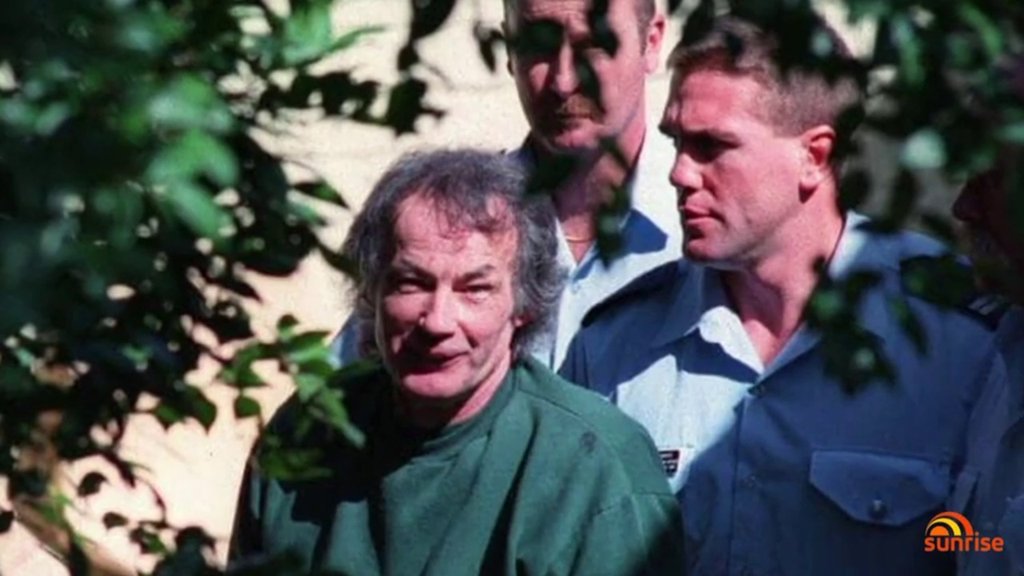
Highway Policing and Task Force Operations
The Backpack Murders permanently changed how law enforcement agencies in Australia approach major crime cross-jurisdictional investigations:
• Task Force Standardization: The initial delays in linking Paul Onions’ 1990 report highlighted critical flaws in manual record-keeping. The case accelerated the development of centralized, automated police database systems (such as COPS in NSW) to link highway incidents, missing persons, and suspicious reports instantly.
• Impact on Hitchhiking and Tourism: The murders effectively ended the culture of casual hitchhiking in Australia. State tourism bodies implemented dedicated safety guides, registration protocols, and hotline networks for international budget travellers.
Part VI: Trauma and First Responders
The Impact on Search Teams and Local Communities
The search of Belanglo State Forest was one of the most grueling land searches in Australian history. Police officers, SES volunteers, and forensic anthropologists spent months sifting through dense bushland under intense media scrutiny, repeatedly encountering scenes of extreme violence. Many officers involved required long-term psychological support following the excavation process.
For the nearby communities of Bowral, Mittagong, and Moss Vale, the realization that a serial killer used their local forest as an execution site brought deep collective shock, prompting permanent memorials near the forest entrance to honour the victims.
Conclusion: Remembering the Victims
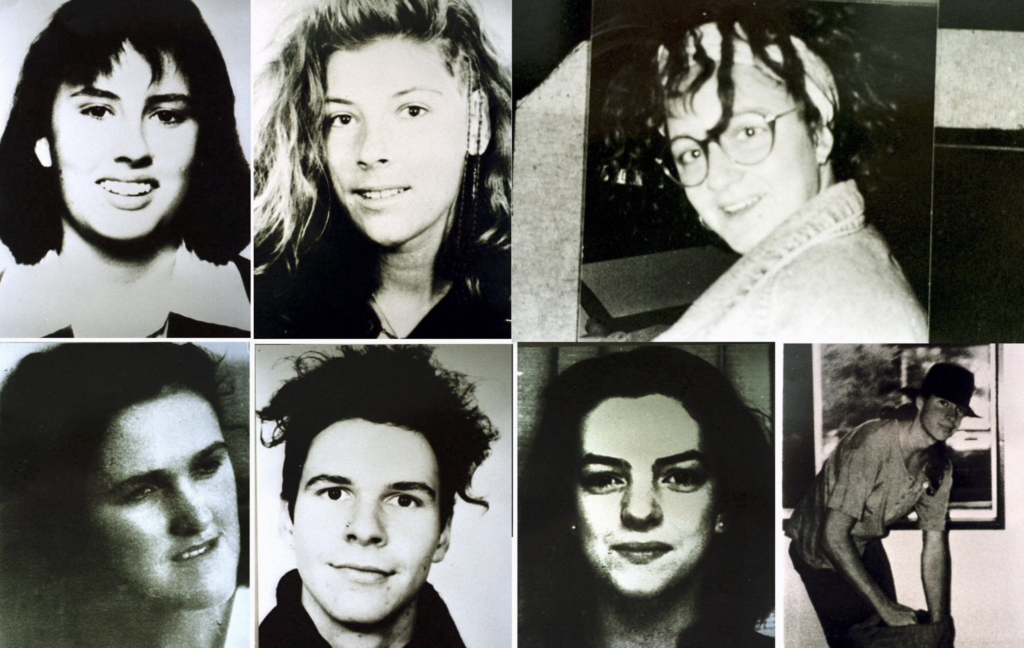
The Belanglo Backpack Murders remain an indelible tragedy in modern Australian history, a stark reminder of how sudden, predatory violence can intrude upon young lives filled with hope and adventure.
Beyond the notoriety of Ivan Milat, the heart of this case remains the seven young individuals whose lives were cut short:
• Caroline Clarke (21) & Joanne Walters (22) — United Kingdom
• Simone Schmidl (21) — Germany
• Anja Habschied (20) & Gabor Neugebauer (21) — Germany
• James Gibson (19) & Deborah Everist (19) — Australia
Their memories live on through international safety initiatives, dedicated memorials in New South Wales, and the enduring love of their families across the globe.