

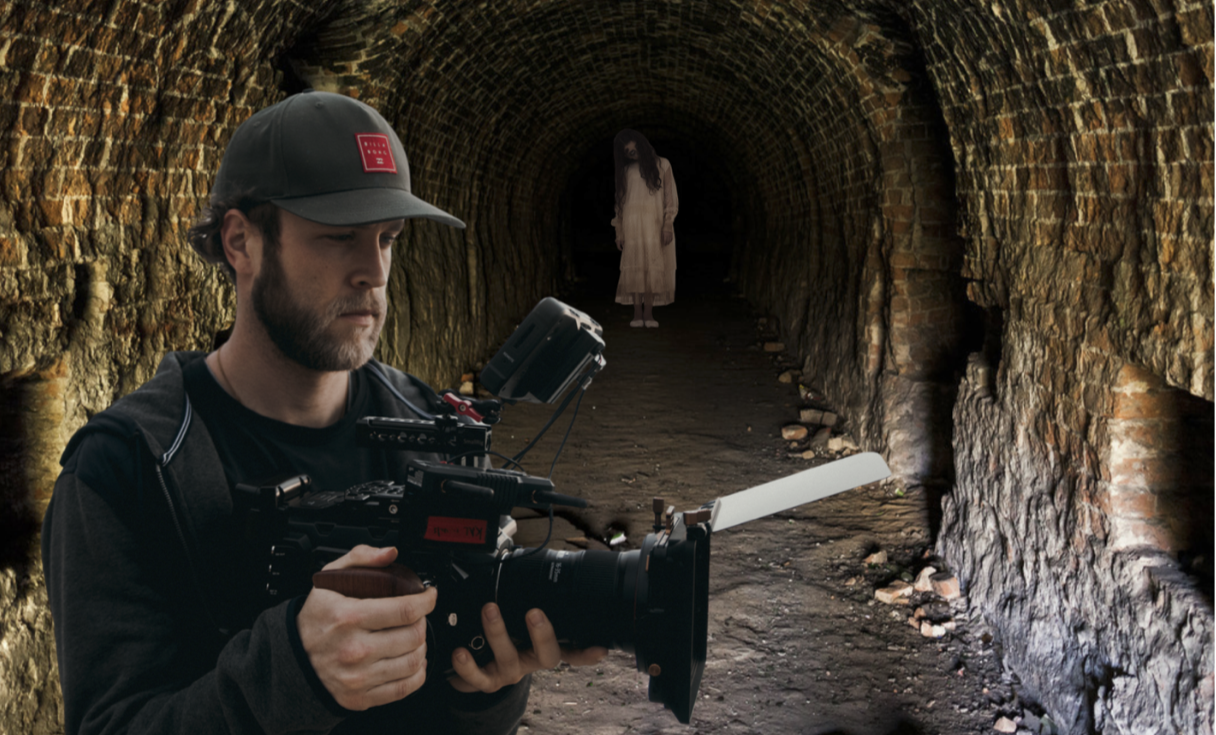
Found footage horror has a special talent for making me inspect an image I’d normally describe as “somebody needs a better camera.” A dark corner becomes essential viewing whenever I press play on a new or seasoned found footage horror movie. A blurry doorway gets my undivided attention. Suddenly, I am conducting a property inspection for people whose biggest concern should probably be leaving the property. I love that transformation, and it may be one of the biggest reasons I am such a fan of the genre. The recording’s appearance becomes part of the entertainment, giving us something to investigate before we even know what we are looking for.
The Camera Becomes Part of the Story
One of the found footage format’s most effective techniques is its use of the camera’s visual style to advance the narrative. An old camcorder, a bright phone recording, and a distant security feed each establish a different relationship with the scene. We expect different things from them, and those expectations give a filmmaker plenty to play with. Even before something unsettling appears, we are learning how this recording lets us see the world.
“The Blair Witch Project”(1999) is a lovely example of how much visual texture contributes to an experience. The changing appearance of its footage helps the documentary project feel tangible, as though these people arrived with equipment, plans, and the perfectly reasonable assumption that their biggest problem would be finishing the film. The images have a practical identity. We can appreciate the recording as something the characters are making, which makes its eventual transformation into a record of distress more involving.
Learning to Look Closer
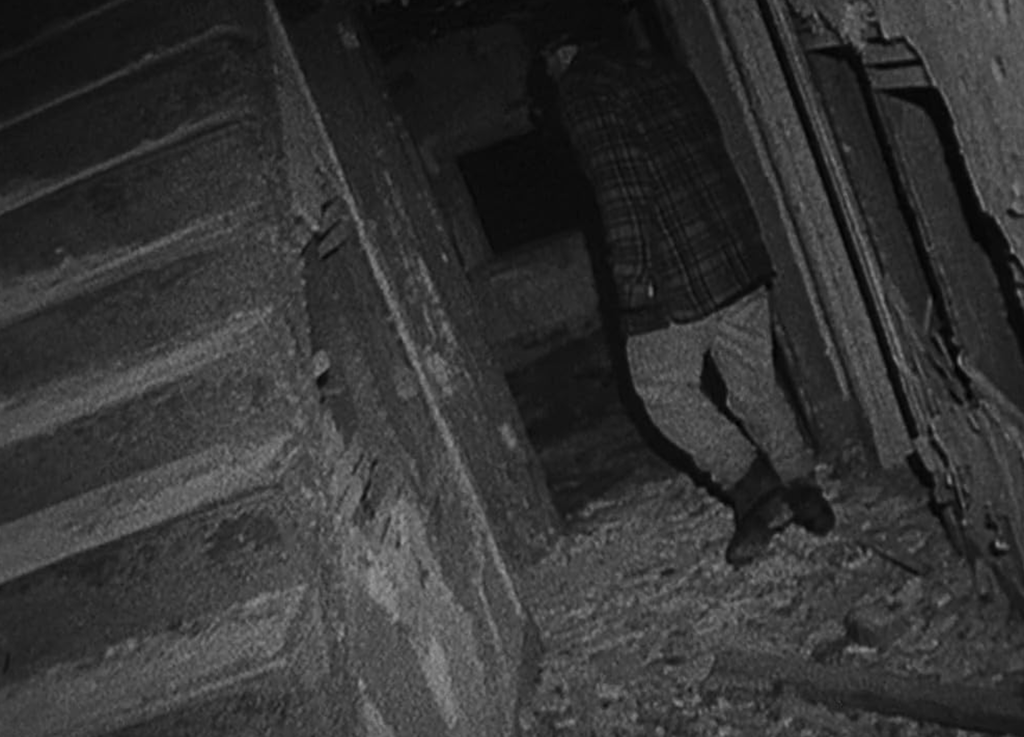
There is pleasure in becoming familiar with a camera’s habits. Perhaps it struggles in a dim room or turns a bright window into a patch of white. Once we recognize those qualities, we start adjusting how we look. We lean toward the shadow, wait for the operator to change position, or mentally reconstruct the space. The film has quietly recruited us into the investigation. My compensation appears to be anxiety, but the work is surprisingly engaging.
That familiarity also makes change interesting. If a hallway has always looked a certain way through this device, a small difference can catch our attention. The image gives the disturbance somewhere recognizable to occur. I enjoy that more than visual noise applied indiscriminately, because I can participate in the discovery. It is especially more enjoyable when a forced jump scare seems to get shoved somewhere in a plot where it isn’t needed. A scratch means more when the film gives me a reason to wonder why it is there. Otherwise, even a haunted tape occasionally deserves a cleaning cloth.
When the Recording Has a History
The condition of a recording can tell another story altogether: what happened to it after the camera stopped. A damaged tape suggests a history of storage, handling, or interference. That creates an intriguing distinction between a flaw captured during an event and one introduced afterward. Imagine noticing that an imperfection in an old recording has changed since the previous viewing. The footage would suddenly become something in the present tense, which is a very impolite development for an object we thought belonged safely to the past.
Clarity offers its own pleasures, too. Found footage horror does not always need to make us squint like we are trying to read the ingredients on a shampoo bottle. A crisp image of something impossible can be wonderfully unsettling. We can see it perfectly and still have no comfortable explanation. After several scenes of frustrated looking, finally obtaining a clear recording could feel like progress. Then the image supplies information nobody particularly wanted. Congratulations, everyone. The camera works.
Multiple devices can make that process even more engaging. A security camera establishes the room, while a phone recording reveals a detail from closer range. Each source contributes something particular, allowing us to compare what the characters know with what we have noticed. The editing becomes part of an unfolding discovery. We move between images because our understanding is developing, and that gives the changes in perspective a satisfying purpose beyond keeping the screen busy.
Color, Atmosphere, and Visual Personality
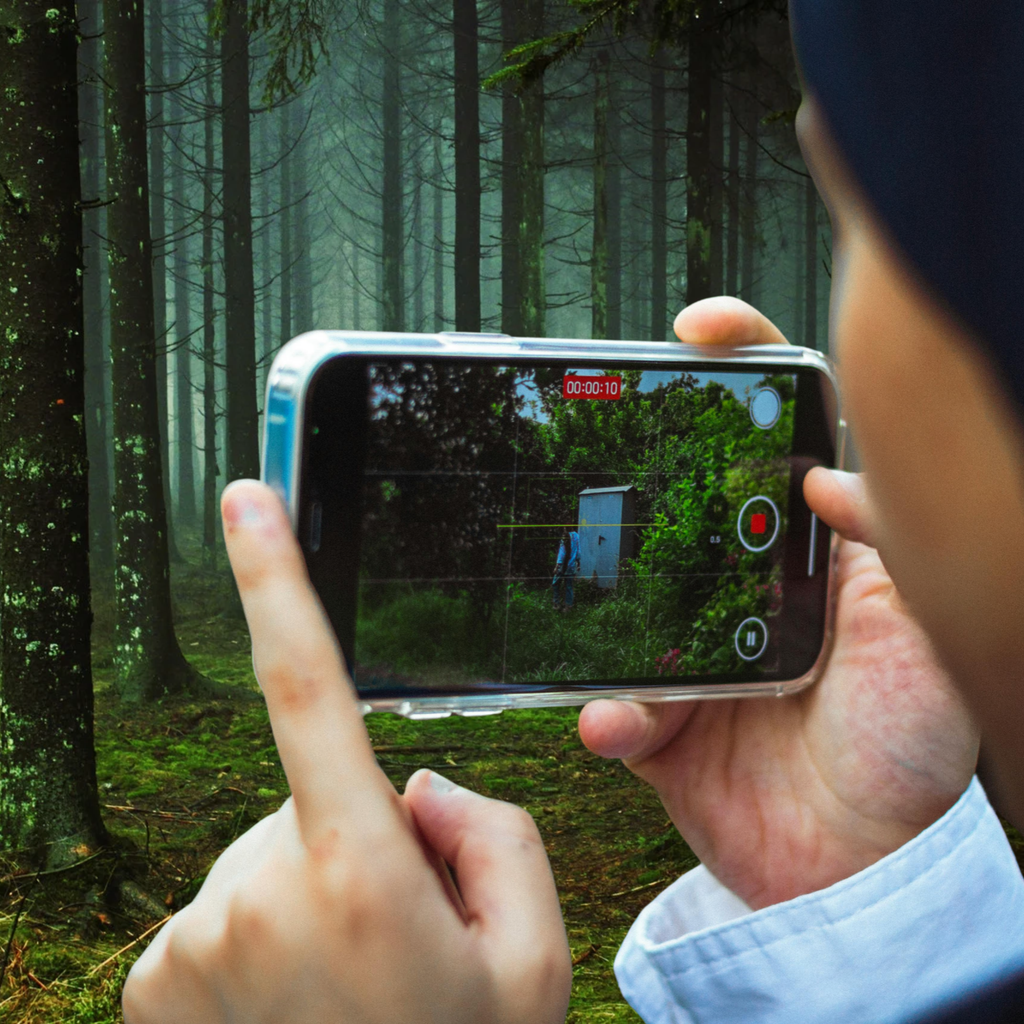
Color can be just as expressive. I enjoy horror that lets a room look warm and welcoming while something deeply unwelcome happens inside it. The lamp is cozy. The furniture looks comfortable. Whatever is standing beside the sofa has misunderstood the invitation. A pleasant image can make the intrusion feel more intimate because the environment resembles somewhere we would happily spend time. Darkness has plenty to offer, but a threat does not lose its power simply because the interior design is cheerful.
What draws these choices together is a sense of visual personality. A filmmaker can stylize the footage while giving us a clear understanding of what belongs to each recording. Once those patterns exist, breaking one becomes an event. We recognize that the image has changed and become curious about what the change means. Technical detail then supports imagination, helping the film establish a world whose ordinary behavior makes its extraordinary moments more noticeable.
Give the Footage a Personality
When that approach works, I become an enthusiastic viewer of the smallest details. I study the background, compare sources, and wonder whether an apparent flaw might reveal something important. The image has given my curiosity a job. That is a large part of what makes found footage enjoyable for me: looking becomes an active relationship with the movie, and even a modest recording can offer more to discover than its first appearance suggests.
Every camera does not need to produce a beautiful image. It can produce an image with character, history, and a particular way of letting us encounter the story. Those qualities make found footage horror feel worth exploring. Whether it is sharp, grainy, warmly lit, or barely readable, give the recording a personality, and I will happily look closer. Apparently, my survival instincts become remarkably negotiable once a suspicious doorway starts making interesting artistic choices.