
G’day, dear readers. Welcome to your personal Australian tour of terror. I’m Rhiannon Elizabeth Irons, and I’ll be your tour guide as we venture into the macabre that only the unforgiving Australian landscape can truly provide. It is recommended that you keep your hands and arms inside the car at all times. Things are about to get messy.
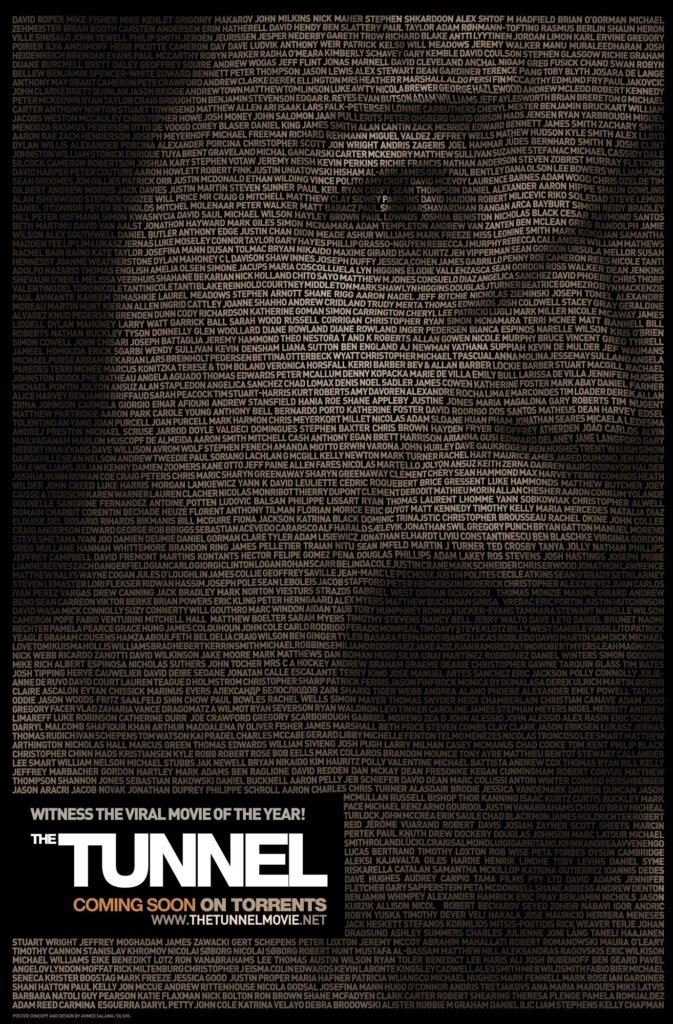
Continuing our Outback Spotlight series, we are examining the tense, claustrophobic, and highly effective 2011 found-footage film, The Tunnel. Directed by Carlo Ledesma, this film leveraged a groundbreaking, unconventional release strategy (it was legally torrented for free) to achieve global attention. It takes the familiar Blair Witch aesthetic and plants it firmly in a dark, forgotten corner of Sydney’s urban infrastructure, turning subterranean tunnels into a terrifying, inescapable maze.
WATCH THE TRAILER FOR “THE TUNNEL” BELOW
But before I can continue, this is your only warning: there may be spoilers ahead.
Lost Beneath the City
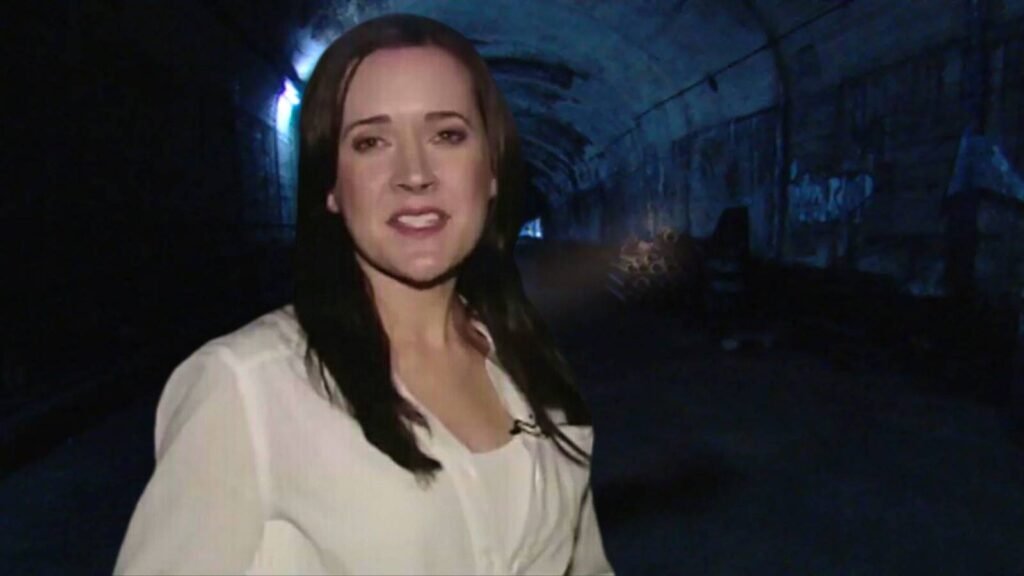
The film is presented as a post-event documentary interspersed with the recovered footage of a journalistic investigation. The focus is on a four-person television crew, led by ambitious reporter Natasha Warner (Belinda McClory), who are investigating a series of increasingly frantic and mysterious disappearances. The missing people are all linked to Sydney’s forgotten, abandoned network of underground railway tunnels and bunkers.
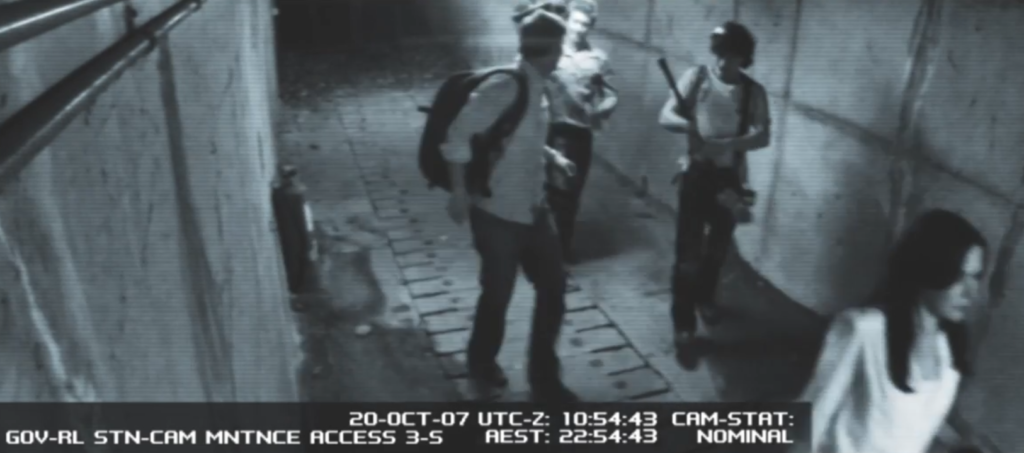
Natasha’s crew, including cameraman Peter, sound engineer Steve, and producer Tangles, gains access to the tunnels to investigate the government’s reasons for abandoning a massive water recycling project there. Once inside, the group quickly realizes they are not alone. Their initial skepticism about the rumors of a deranged homeless population or a monster is violently shattered as they become the prey of an unseen, silent, and incredibly aggressive entity stalking them through the darkness.
Claustrophobia in the Dark
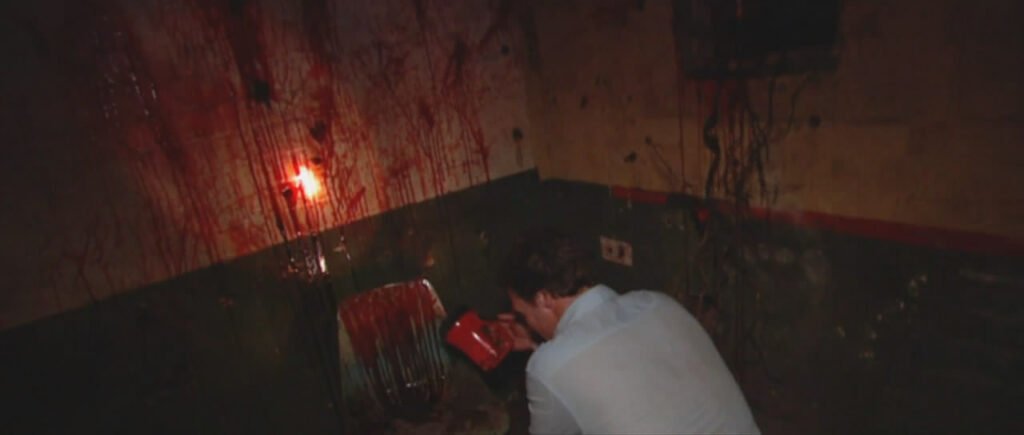
Carlo Ledesma’s direction is marked by a superb understanding of the found-footage medium. The film is genuinely terrifying because the terror is rooted entirely in claustrophobia and sensory deprivation. The setting, the narrow, wet, pitch-black tunnels, is an immediate antagonist. The lack of light, combined with the heavy distortion of the crew’s camera-mounted lamps, ensures that the audience is just as disoriented as the characters.
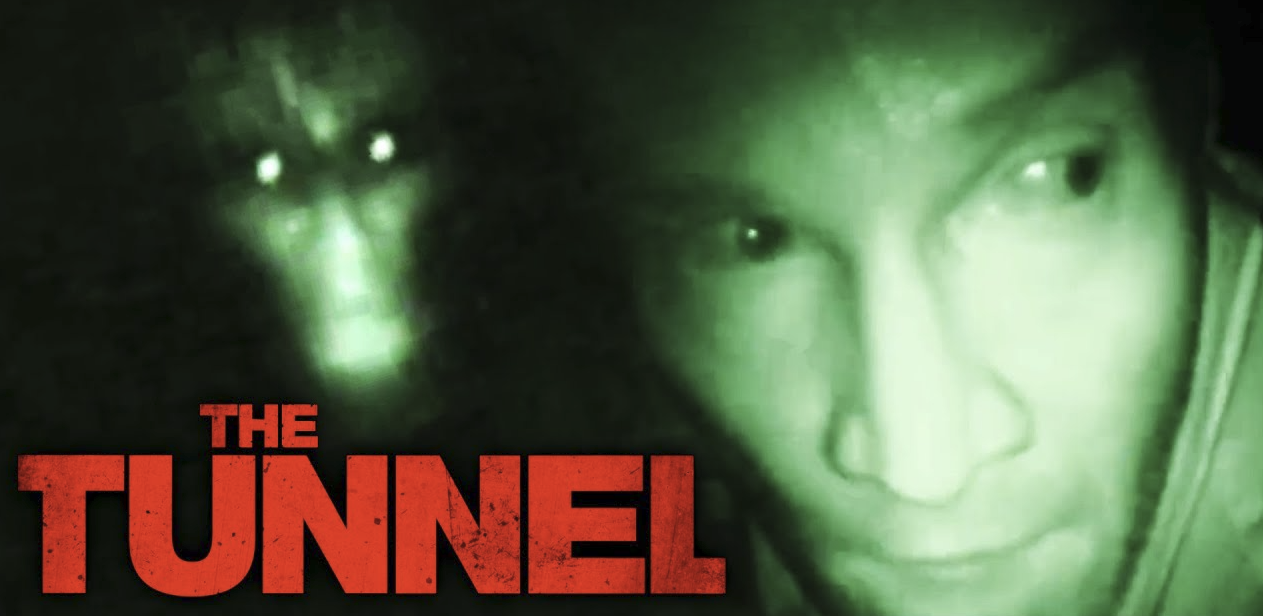
The creature itself is only glimpsed in fleeting frames of night-vision footage or quick flashes of light. This ambiguity is crucial; the terror comes less from the monster’s appearance and more from the sound of heavy breathing, the relentless pursuit, and the constant fear of what might be lurking just beyond the camera’s beam.
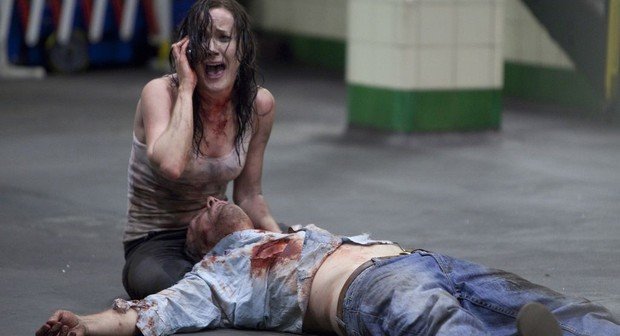
The film excels at building tension through desperation. The crew’s attempts to communicate with the outside world are futile, forcing them to rely on their own fraying nerves and limited resources. The raw, shaky quality of the camera work, combined with the actors’ convincing descent into panic, makes the physical peril feel immediate and real.
Thematic Devolution: Forgotten Spaces, Forgotten People
The Tunnel uses its urban setting to explore themes of social neglect and hidden decay. The abandoned tunnels represent the parts of society that are intentionally forgotten, both the infrastructure and the marginalized people who might inhabit it. The monster is not an abstract demon, but a creature born of the system’s failure, haunting the unseen spaces just below the surface of the bustling city.
The film also serves as a sharp commentary on the media’s pursuit of a story. Natasha and her crew, in their pursuit of “the truth,” willingly put themselves and others in grave danger. Their professional detachment is violently punished by the entity, suggesting that some places and stories are not meant to be disturbed or exploited for sensationalism.
Production Highlights and Behind the Scenes
Beyond the tense performances and frightening setting, The Tunnel holds some fascinating production details that underscore its lasting impact:
- The 135K Initiative: The film was famously funded through an initiative where the filmmakers sold individual frames of the movie for $1 each, raising over $135,000.
- Creative Commons Release: The Tunnel was released legally and free of charge via torrents under a Creative Commons license, becoming a groundbreaking experiment in film distribution that allowed it to reach a massive global audience quickly.
- Authentic Setting: The film was shot in genuine, decommissioned tunnels and bunkers under Sydney, lending a powerful, unsettling authenticity to the subterranean environment.
Conclusion: A Viciously Necessary Gem
The Tunnel is a taut, effective, and deeply claustrophobic horror film. It succeeds because it uses its low-budget, found-footage style to maximize immersion and terror. It proves that a great horror movie can be made with minimal resources, provided you have a terrifying location and a relentless sense of dread. It’s an essential watch for fans of intelligent, urban-set horror.
Verdict: A mandatory watch for fans of the found-footage genre and intense, suffocating psychological fear.
Continuing the Outback Spotlight column, this review explores another facet of the raw, visceral nature of Australian horror. Stay tuned for more terror from Down Under!