

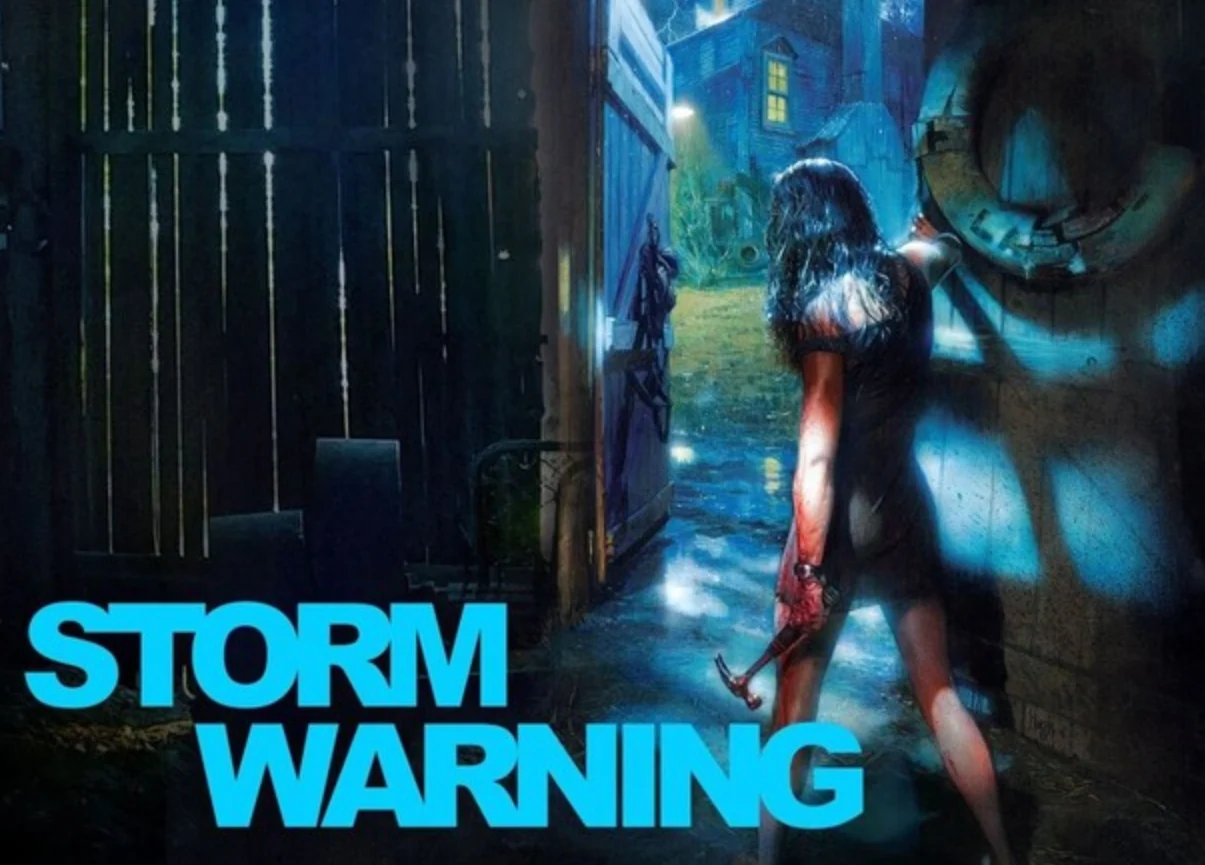
G’day, dear readers. Welcome to your personal Australian tour of terror. I’m Rhiannon Elizabeth Irons, and I’ll be your tour guide as we venture into the macabre that only the unforgiving Australian landscape can truly provide. It is recommended that you keep your hands and arms inside the car at all times. Things are about to get messy.
Starting off this new Outback Spotlight series is the compelling and brutally effective 2007 film “Storm Warning”. Directed by Jamie Blanks (Urban Legend, Valentine) and penned by the legendary Everett De Roche, whose credits include “Razorback” and “Patrick”, this film carries a serious pedigree of Australian horror that immediately demands attention. “Storm Warning” embraces the gritty, unrelenting side of the genre, delivering a compelling story, phenomenal special effects, and truly visceral acting. It firmly establishes itself within the country’s tradition of outback horror, a subgenre defined by unforgiving landscapes and brutal, isolated encounters. More than just a simple survival film, it is a masterclass in slow burn tension that explodes into relentless, morally grey terror.
But before I can continue, this is your only warning: there may be spoilers ahead.
Trapped in the Mangroves
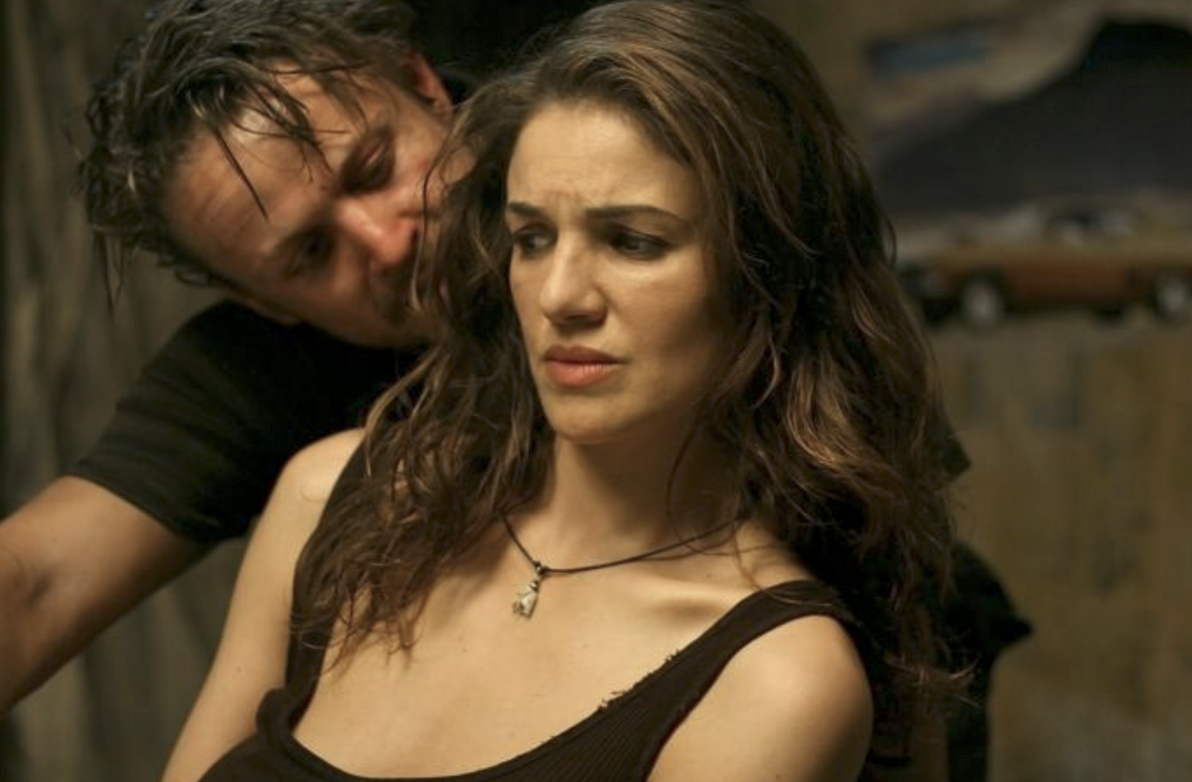
The film’s initial setup is deceptively idyllic. Wealthy city couple Rob (Robert Taylor) and Pia (Nadia Farès) take a romantic boating trip that is abruptly derailed by a massive storm. When their vessel is wrecked, they are forced to seek refuge in a remote, decaying shack deep within a mangrove swamp. What they discover is not shelter, but a dilapidated grow house inhabited by three unhinged locals: Poppy, Jimmy, and Brett. And you thought the inbred hillbillies from the “Wrong Turn” franchise were bad. Just wait until you meet this trio, whose raw, escalating menace is born not of supernatural evil, but of abject neglect and utter isolation from civilization.
Jamie Blanks excels at crafting an almost unbearable sense of suffocating dread. The human villains do not solely generate the early tension, but are amplified by the oppressive atmosphere of the swamp itself. Blanks utilizes the heavy, sticky air and the ceaseless sound of insects and dripping water to create a claustrophobic environment that screams of being utterly cut off. The setting acts as a primal, inescapable antagonist, perfectly complementing the escalating human threat.
Blanks maintains this oppressive tone through a clinical, unforgiving visual style. The use of natural light, often filtered through the heavy canopy, and the swamp’s palette of dense greens and browns, lend the film a gritty, documentary-like realism. This choice makes the subsequent violence feel uncomfortably immediate and personal. The pacing is meticulous. The first half is dedicated to establishing palpable discomfort and rising terror, allowing the audience to feel trapped alongside Rob and Pia. Once the violence finally erupts, however, it is relentless, chaotic, and brutally inventive. Critically, the film relies heavily on unflinching practical effects, ensuring the gore is stomach-churning, and the physical struggle of the actors is agonizingly clear.
Thematic Devolution and Survival
“Storm Warning” operates within the brutal framework established by films like “Wolf Creek” (2005), but takes a decidedly more shocking and subversive turn. It expertly leverages the profound cultural fear of the unknown Australian interior, where urban rules simply cease to apply. The three locals represent a feral, forgotten aspect of society, driven mad by isolation. This confrontation between the urban couple and the savage bush inhabitants forms the thematic core of the film, serving as a dark commentary on class, geography, and inherited madness.
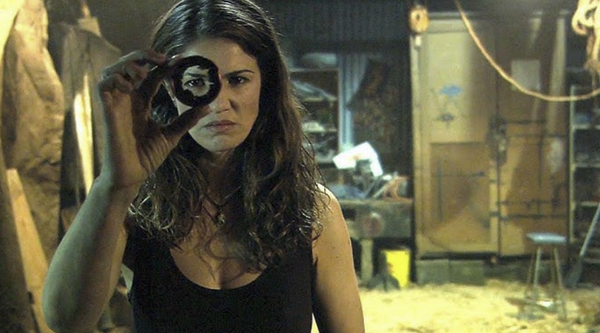
Perhaps the most compelling element is Pia’s shocking transformation. Her terror and defenselessness characterize the initial horror, but when the narrative flips, she exhibits an almost animalistic capacity for violence. Two words: bottle cap. That should make any man cringe.
This shift elevates the film from a simple damsel in distress narrative to a gruesome exploration of survival ethics. Pia’s revenge is deeply disturbing, refusing the clean escape of a traditional final girl. Her violent actions suggest that surviving such extreme horror requires acceptance of the monster within, completing a chilling cycle of violence rather than ending it.
Production Highlights and Behind the Scenes
Beyond the chilling performances and atmospheric direction, Storm Warning boasts several fascinating production details that underscore its resourceful, low budget grit.
- Commitment to Practical Effects: Despite its modest budget, the film intentionally eschewed heavy CGI, relying almost entirely on practical effects for the gore and injury sequences. This dedication contributes significantly to the film’s raw, realistic impact, especially during Pia’s brutal counterattack.
- The Infamous Hovercraft Death: One of the film’s most shocking and memorable moments is the demise of one of the villains via a hovercraft propeller. This wildly inventive and gruesome kill sequence perfectly encapsulates the film’s blend of high tension and dark, unexpected brutality.
- A Swamp on a Sound Stage: Remarkably, the dilapidated farmhouse and much of the surrounding claustrophobic environment were constructed entirely inside a sound stage in just five weeks. This masterful set design allowed Blanks precise control over lighting and atmosphere, maximizing the sense of entrapment.
- A Reunion Years in the Making: The production served as a professional reunion for Blanks and actor John Brumpton, who plays the patriarch Poppy. Brumpton had previously appeared in Blanks’ 1993 university thesis film Silent Number, highlighting the director’s long standing connection to the Australian film scene.
Conclusion: A Vicious, Necessary Gem
“Storm Warning” is not a film for the faint of heart. It is bleak, nasty, and utterly uncompromising. It succeeds because it refuses to pull its punches, delivering acute psychological tension before unleashing truly horrifying physical confrontations. It stands as a powerful testament to low-budget Australian horror, proving that genuine terror can be conjured through the chilling realization of human depravity in the most remote corners of the world. It is a vicious, necessary entry in the outback horror canon and deserves recognition for its sheer ferocity.
Verdict: A must watch for fans of extreme survival horror, provided you can handle the intensity.
Kicking off the Outback Spotlight column, this review sets the stage for the raw, visceral nature of Australian horror. Stay tuned for more terror from Down Under.