
G’day, dear readers. Welcome to your personal Australian tour of terror. I’m Rhiannon Elizabeth Irons, and I’ll be your tour guide as we venture into the macabre that only the unforgiving Australian landscape can truly provide. It is recommended that you keep your hands and arms inside the car at all times. Things are about to get messy.
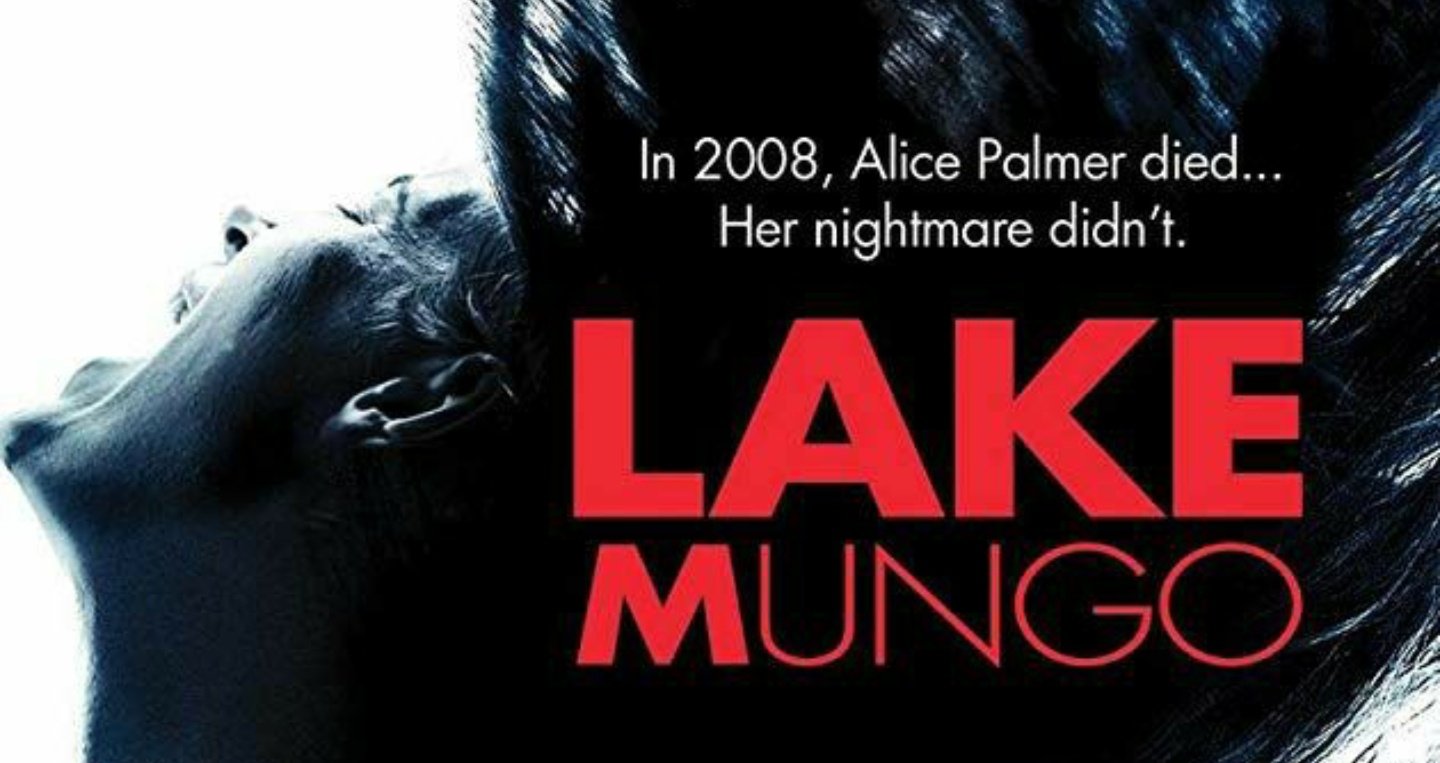
Continuing our Outback Spotlight series, we are examining the deeply unsettling and uniquely effective 2008 faux documentary, Lake Mungo. Written and directed by Joel Anderson, this film is a masterclass in atmospheric, slow-burn horror. It eschews traditional jump scares and gore entirely, focusing instead on profound, lingering sadness and the terrifying truth that some mysteries are better left unsolved. Lake Mungo redefined modern Australian horror by proving that the scariest things are often the things we simply miss.
But before I can continue, this is your only warning: there may be spoilers ahead.
A Ghost Caught in Grief
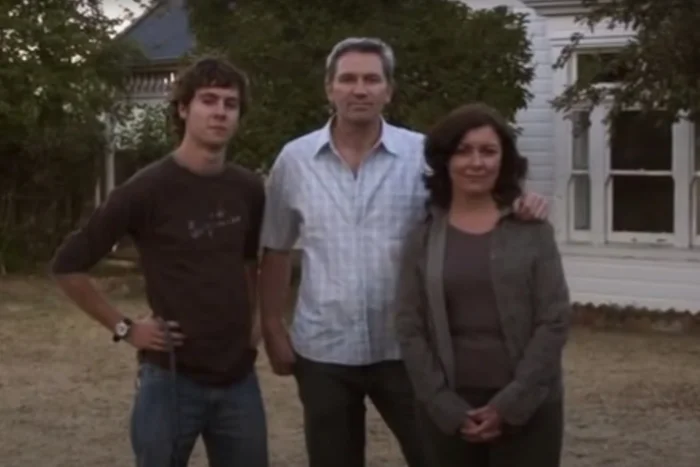
The film opens with a tragedy: 16-year-old Alice Palmer (Talia Zucker) drowns suddenly while swimming in the local dam near her home in Ararat, Victoria. The film is presented as a post-mortem documentary, tracking the experiences of the grieving Palmer family, her mother, June, father, Russell, and brother, Mathew, as they attempt to cope with their loss.
However, the family quickly becomes convinced that Alice’s presence has lingered. Mathew sets up cameras around the house to capture evidence, and the footage reveals strange, fleeting anomalies. What begins as a search for comforting proof of life after death quickly transforms into a desperate, terrifying investigation into Alice’s secret, troubled life before her drowning, ultimately leading them to the ancient, desolate landscape of “Lake Mungo.“
The Power of the Missed Frame
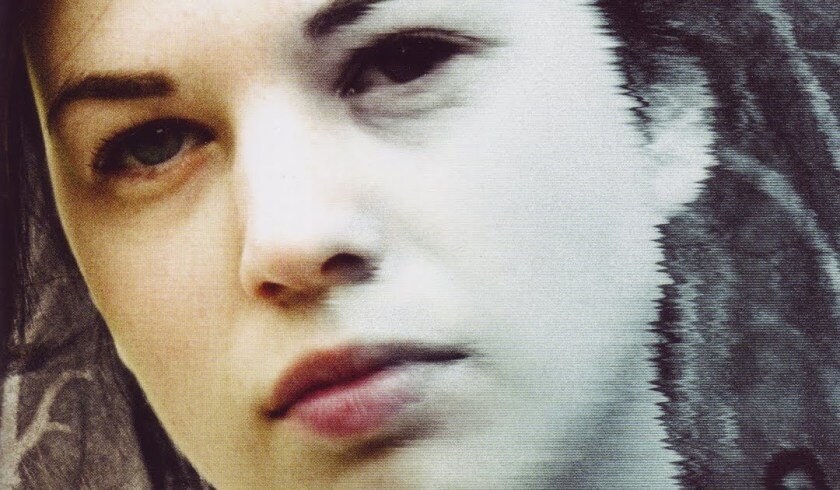
Joel Anderson‘s direction is brilliant because of its strict adherence to the found footage/documentary format. The film is composed of faux interviews, news clippings, shaky home videos, and low resolution security footage. This stylistic choice provides an unparalleled sense of realism and distance, making the supernatural occurrences feel not like special effects, but like accidental captures of something truly real.
The horror in Lake Mungo is entirely atmospheric and derived from subtle visual terror. It is the sound of a camera clicking in the dead of night, a fleeting shadow in the corner of a room, or, most famously, the sudden appearance of Alice’s ghostly figure in background photos taken before her death. The film trusts the audience to look closely, and the cumulative effect of these tiny, undeniable anomalies is deeply unnerving. It is a slow-burn narrative that builds a sense of profound existential dread rather than simple fear.
Thematic Devolution: The Scars of the Land
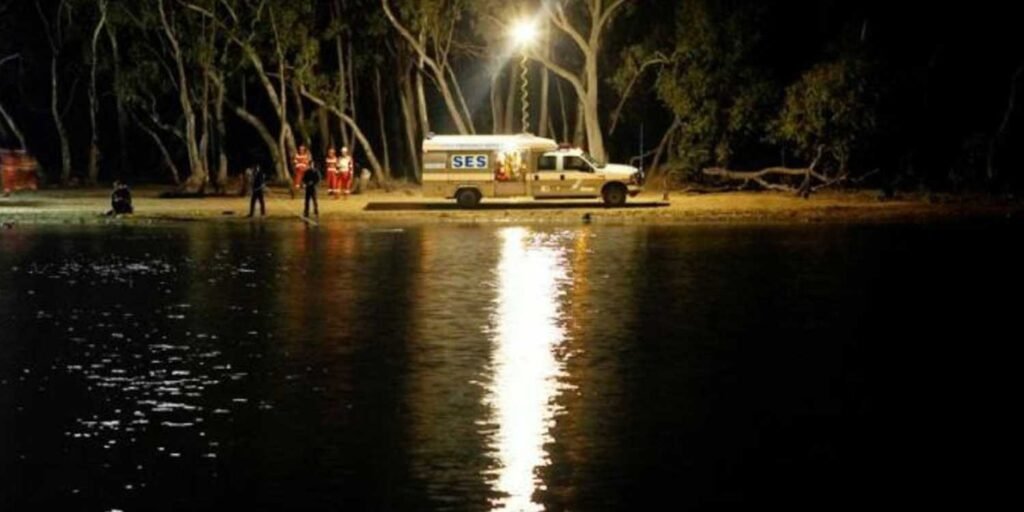
The film is not simply a ghost story; it is a chilling exploration of unresolved grief, secret lives, and the oppressive power of the Australian landscape. Alice’s haunting is intertwined with the realization that the people closest to us are often unknowable. Her parents, in seeking her ghost, are forced to confront the dark secrets and choices Alice kept hidden, secrets that ultimately led her to the spiritual heart of the land.
The titular Lake Mungo, an ancient dried lakebed, serves as the ultimate antagonist. It is a real place of immense spiritual and historical significance, where ancient human remains have been found. The film links Alice’s personal tragedy to the profound, deep history of the land, suggesting that the grief and the dead are simply echoes in the vast, indifferent environment. The film’s final twist is devastating, achieving a level of emotional and spiritual horror few films ever reach.
Production Highlights and Behind the Scenes
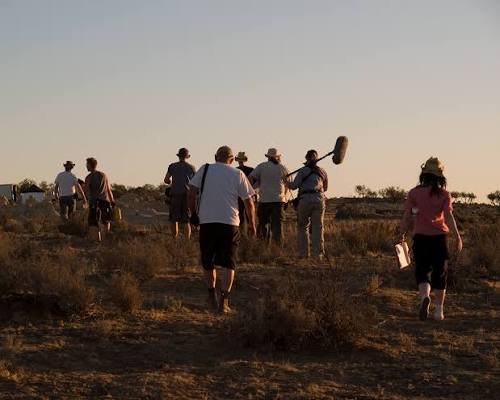
Beyond the compelling narrative and atmospheric direction, Lake Mungo holds some fascinating production details that underscore its impact:
• Minimalist Budget, Maximum Impact: The film was made on a tiny budget, which forced the reliance on simple camera techniques, subtle effects, and the actors’ powerful, understated performances, enhancing its documentary realism.
• The Improvised Feel: The interviews feel strikingly authentic because they were often shot with minimal scripted dialogue, allowing the actors to convey genuine, stumbling grief.
• The Cult Following: After an initial quiet release, the film found a massive following through film festivals and online communities, where its reputation as a “must watch” for atmospheric horror grew steadily.
Conclusion: A Viciously Necessary Gem
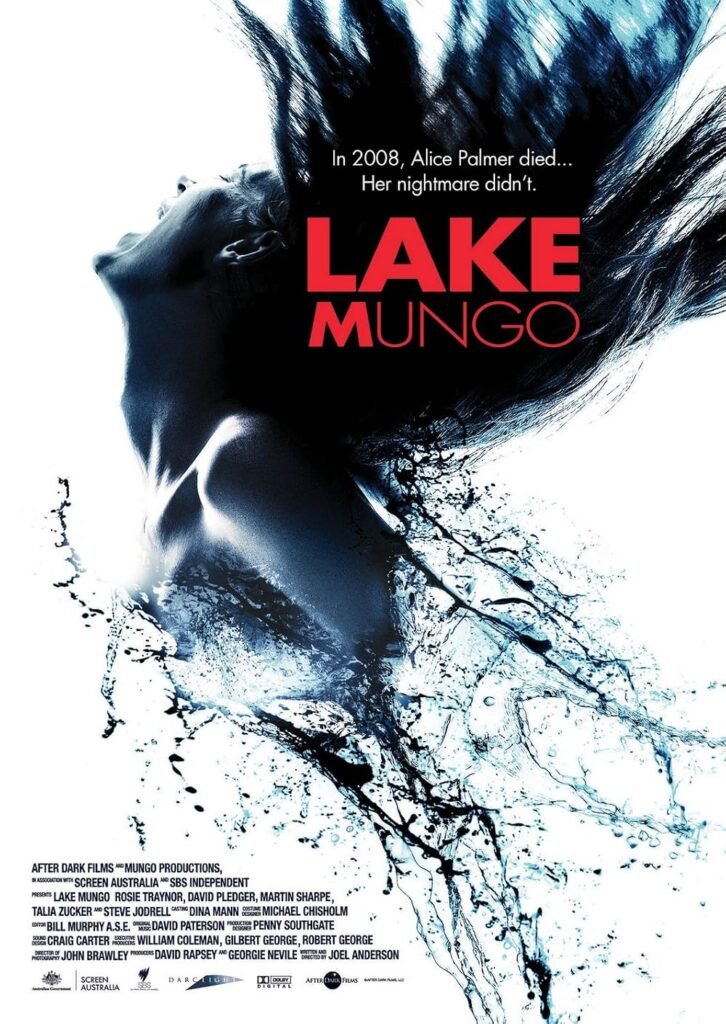
Lake Mungo is a sophisticated, deeply sad, and unforgettable piece of Australian horror. It succeeds because it recognizes that the greatest terror comes from existential questions and the terrifying ambiguity of the unknown. It is a powerful, haunting film that will linger long after the credits roll, proving that sometimes, the most effective ghost story is the one told with a straight face and a trembling voice.
Verdict: An essential, highly recommended watch for fans of intelligent, psychological horror and the found footage subgenre.
Continuing the Outback Spotlight column, this review explores another facet of the raw, visceral nature of Australian horror. Stay tuned for more terror from Down Under!