
Written By: Sam Santiago
August 2, 1942, 22 year old José Gallardo Díaz was found dying near a swimming hole outside of Los Angeles. The official autopsy for Diaz detailed that he had been killed by blunt force trauma to the head and had a fractured skull as a result. No murder weapon was ever found. Back then it was known as the “SLEEPY LAGOON”. Today the area is known as Bell, California. His death should have been a simple homicide investigation. What followed wasn’t just that a Mexican man was murdered, over the years, it became one of the most notorious examples of racial injustice in American history and the catalyst for one of the darkest chapters in American Civil Rights history.
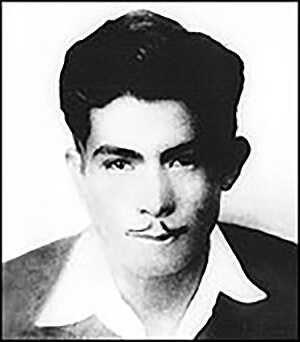
José Gallardo Díaz (1919-1942)
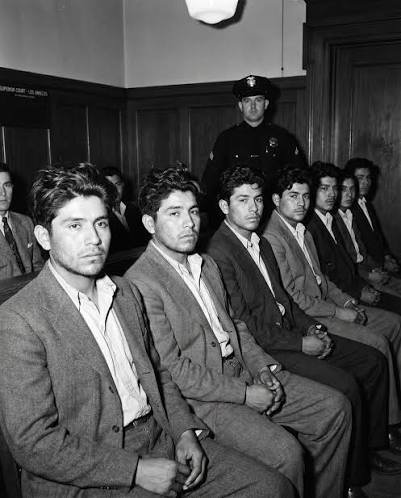
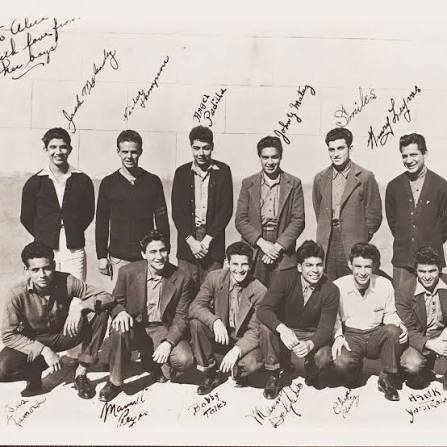
The story goes that police quickly rounded up dozens of Mexican American youths, many of them members of the Pachuco subculture known for their zoot suits, despite little physical evidence linking them to the crime. Newspapers fueled public hysteria, portraying Pachucos as violent gang members whose clothing and culture were treated as proof of guilt. The oversized coats, pegged pants, ducktail haircuts, and chains that defined Pachuco fashion were no longer just viewed as cultural expressions but straight up became evidence of guilt and criminality. (Isn’t that typical? People being afraid or having suspicion over a culture and style they don’t understand…but we digress.)
The trial itself was deeply biased and strictly racial in nature. In all honesty, it was a total miscarriage of justice. Prosecutors could not even identify or come close to proving who inflicted the fatal injury or even exactly how the events occurred leading up to Diaz’s death. Defendants were denied basic dignity in court (they couldn’t change clothing or even be allowed to groom themselves to appear presentable in a court of law), while prosecutors argued that their ethnicity and appearance made them naturally prone to violence. Twelve young men were convicted before an appeals court overturned every conviction in 1944, ruling they had not received a fair trial. The issues and discrimination didn’t stop there.
The damage had already been done and things would be put into motion that changed Los Angeles and the Latino community for years to come.
The Sleepy Lagoon case branded an entire generation of Mexican American youth as criminals. It intensified police harassment, legitimized racial profiling, and helped ignite the 1943 Zoot Suit Riots, when servicemen attacked Mexican American youths throughout Los Angeles while authorities largely stood by. “Zoot Suiters” were stripped of their iconic clothing while crowds cheered and that’s not even a quarter of the atrocities that happened during that terrible incident.
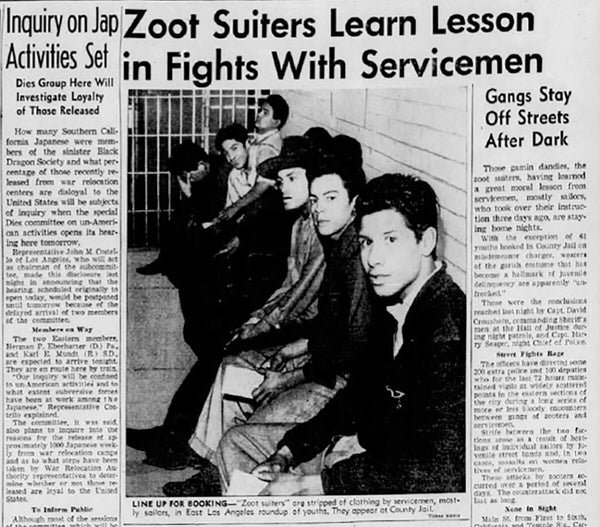
(Article from the Los Angeles Times)
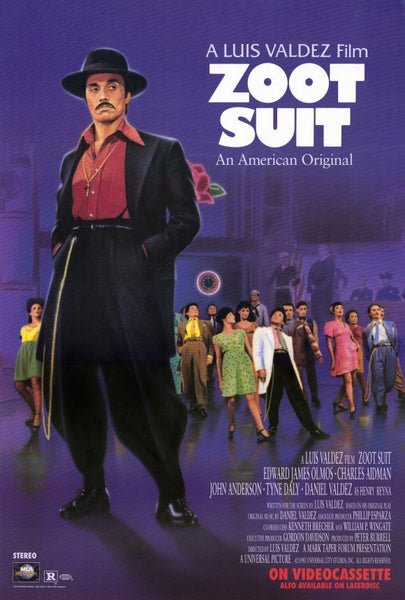
This discrimination and ultimate racism could be seen in the 1981 film “ZOOT SUIT”. The film follows Mexican American teenager Henry Reyna as racial prejudice, sensationalized media coverage, and wartime tensions culminate in violence against Mexican American youths wearing zoot suits. That wasn’t the only film that dived into this issue either as “Devil In A Blue Dress” (1995) and even “American Me” (1992) highlighted the violence and racial prejudice of the time.
Today, the Sleepy Lagoon case is remembered as far more than an unsolved homicide. It became a symbol of how fear, prejudice, and sensationalized media can transform an entire community into suspects. For many historians, it also marked a turning point that helped inspire future Chicano civil rights activism. Resistance usually always follows injustice and The Sleepy Lagoon Defense Committee was formed that united Mexican American activists alongside Black civil rights organizations, labor unions, journalists, and attorneys in a fight against racial discrimination.
More than 80 years later, Sleepy Lagoon remains a haunting reminder that sometimes the most disturbing crime isn’t the murder itself. It’s what and how society chooses to do afterward. For generations of Mexican Americans, the scars left by Sleepy Lagoon and the Zoot Suit Riots would outlive the crime that started it all.