
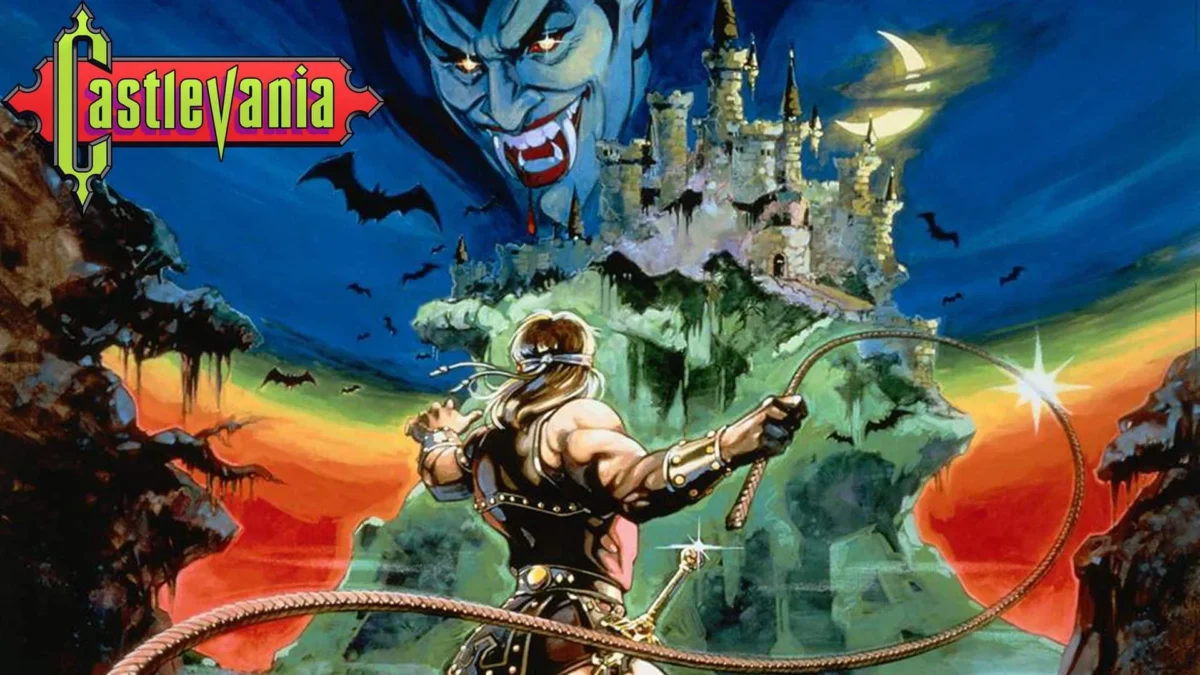
With Konami recently releasing Castlevania: Belmont’s Curse and also giving players FREE mobile versions of the original game. Now is a better time than any to talk about the game that started it all. Let’s jump into our favorite little gaming time machine to 1986 and do a deep dive into the original Castlevania.
1986 brought us some monumental achievements. METALLICA gave us “Master of Puppets”, SLAYER released the unrelenting “Reign in Blood”, Jason Vorhees was resurrected in Friday the 13th Part VI: Jason Lives and James Cameron gave us one of the greatest sequels in the action-packed Aliens.
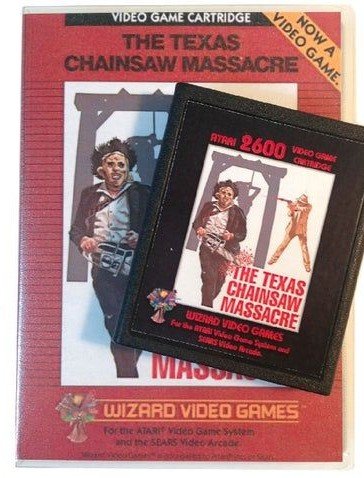
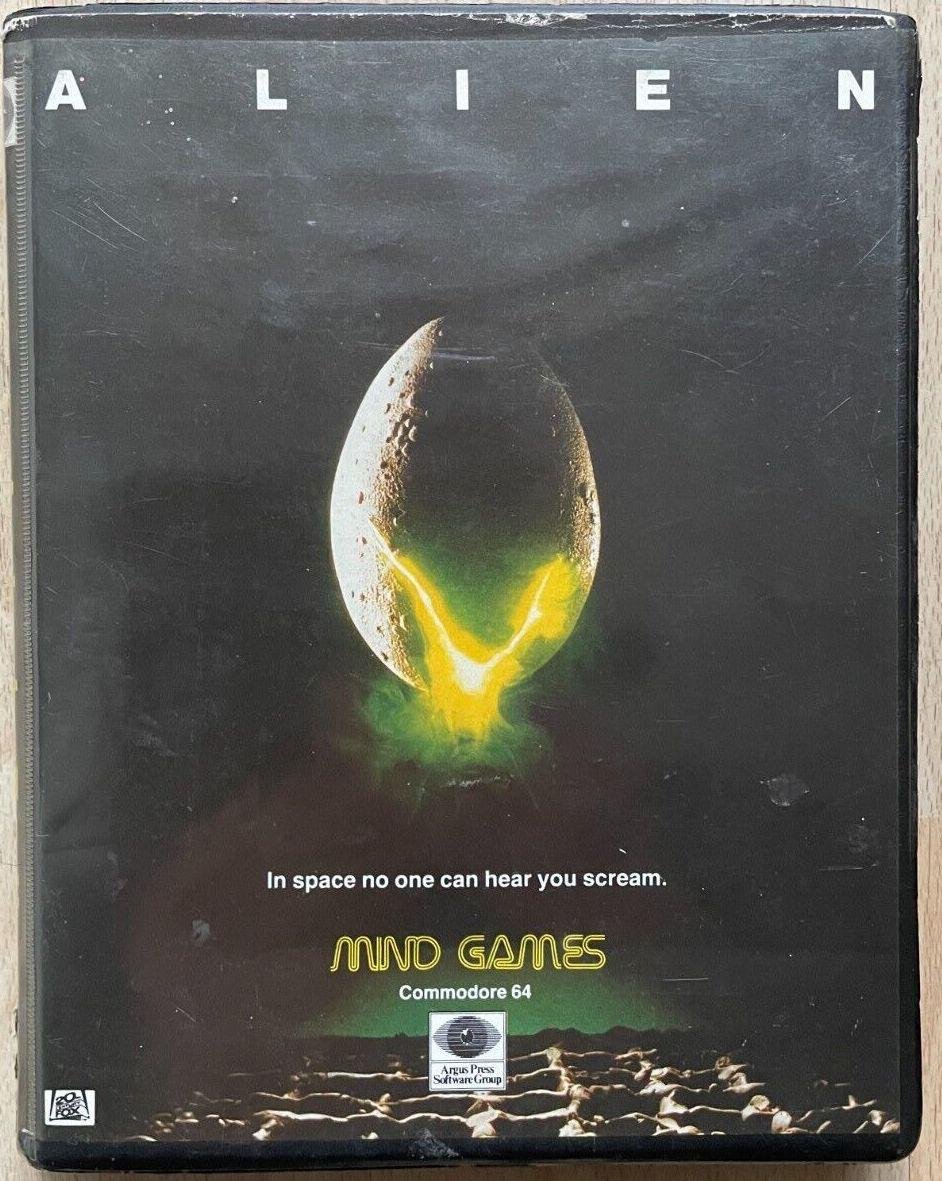
But in 1986 there wasn’t much in the world of horror gaming. Video games were still very much stuck in the arcades at the time and home consoles were still fledgling little babies. But that doesn’t mean there was no horror to be found. In 1983, Atari released The Texas Chainsaw Massacre for the Atari 2600, which let you play as the now infamous, Leatherface. In the arcades, you can brutally fight demons and evil forces in Splatterhouse in 1983. In 1984, The Commodore 64 let players step into The Nostromo in a strategy adventure game of Ridley Scott’s Alien.
But let’s say you were a fan of old school gothic horror movies and wanted to play a game where you killed vampires. The only option at the time was 1983’s Dracula for the Intellivision or the text-based game that was released in 1986 also called Dracula that released on the Commodore 64. Which just retold the same story of the titular character that we all know from Bram Stoker’s tale.
That’s where game designer/ producer Hitoshi Akamatsu, who has been working for Konami since 1983, comes up with a game concept that can fill that void. Now official accounts are understandably spotty at best. Like most games of this era, there isn’t much in terms of interviews and accurate information. Konami wanted their developers to use pseudonyms so they couldn’t be poached by other companies. Akamatsu’s known aliases were Trans Fishers, Narunopapa and Vram Stoker. All we have to tend to is loosely translated Japanese interviews and Castlevania’s own Wikivania page.
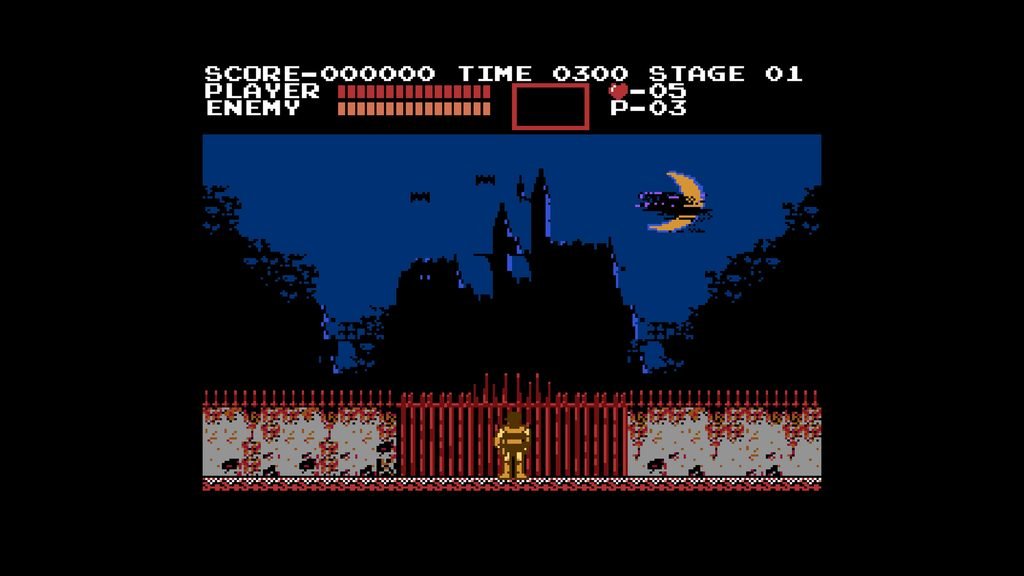
From what I gathered, early concepts of the game saw the player take control of Peter Dante (Akamatsu’s nod to Hammer film legends Peter Cushing and The Howling mastermind, Joe Dante) a vampire hunter and grandson to the famed Christopher Dante (a nod to another Hammer legend, Christopher Lee, who famously played Dracula.) From there, the whip as the main weapon was thought up and an early concept where Dante would use an in-game item to transform into a werewolf, but that idea was eventually scrapped. At some point during development, the hero’s name was changed to Simon Belmondo and in later entries Belmont. Which is the surname that has now become synonymous with the series.
Akamatsu wanted to create a game that was more cinematic than what was available at the time. He wanted players to feel that they were really in a classic horror film, and he was heavily inspired by western films. The main reason why a whip was the primary weapon is rumored to be because of his love for Indiana Jones: Raiders of the Lost Ark. Everything, from the setting to the music, had to have a cinematic feel to it. Even the setting of Dracula’s castle had to help the narrative forward. The castle was not just a backdrop; it was a character all its own. The labyrinthine setting was meant to convey the battle of good versus evil. Depending on what level you were at, it gave way to different enemy types like bats in the main halls or merman in the sewers.
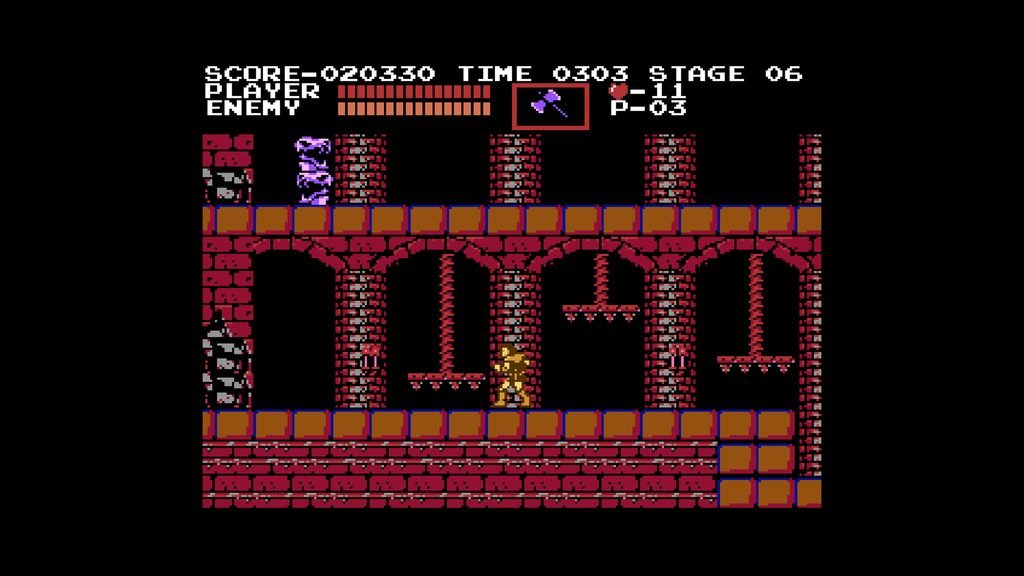
The story was simple and borrowed a lot from gothic horror, especially in the bosses Belmont would face. Taken from popular horror tales throughout time, players fought against Medusa, The Mummy, Frankenstein’s Monster and Igor and most notably the introduction of series regular and second in command to Dracula himself, Death.
Akamatsu saw balance and progression to be important to the experience. When coming up with the sub-weapons he reportedly gauged how powerful each weapon was and made sure the player only had access to the most powerful weapons later on in the game. Players had everything from daggers, axes, a boomerang cross, holy water and even a stopwatch that would freeze time for the surrounding enemies. All of these items used hearts (not health) which can be replenished by killing enemies or destroying candles in the level.
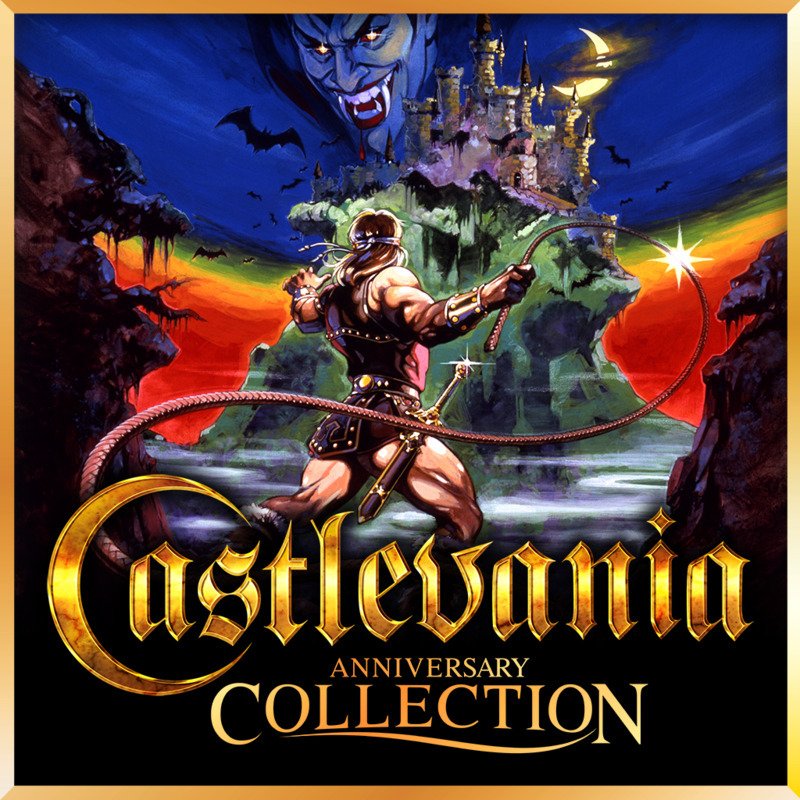
Over 20 million copies of Castlevania have been sold to date. With the most recent re-release packed in the stacked 2019’s Castlevania: Anniversary Collection for all current consoles and PC. The game features the original eight games in the series with some quality-of-life improvements such as aspect ratio options and Japanese versions of most of the games.
One interesting feature is the ability to save a game from a “save state”. Similar to games being played on an emulator, the player can now save the game from anywhere on the screen at any time and load up from that exact location at will. This makes playing the game a but easier since this was long before the days of safe rooms and save data. Us old folks had to find a way to survive with limited lives to reach the end. Restarting from the beginning if we ran out of lives. To those too young to know, it was almost like perma-death. You lost all your progress and started a fresh game.
Now after 40 years, Castlevania is still just as beloved as it was back in 1986. Konami has managed to reinvent the franchise and still keep it relevant today. So, join us as we celebrate 40 years of Castlevania. Here’s to an eternity to fight off Dracula’s evil forces.
Watch the 40th Anniversary Video