
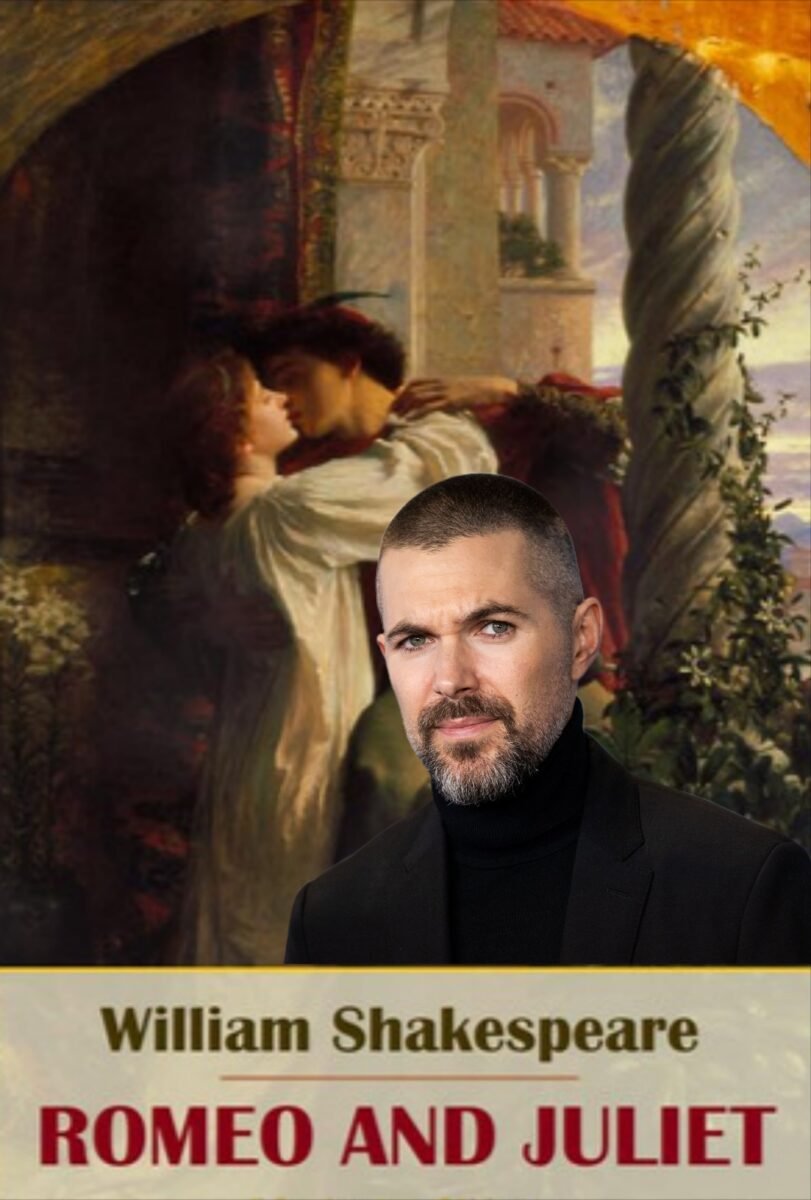
You read that headline right. Robert Eggers is making Romeo & Juliet.
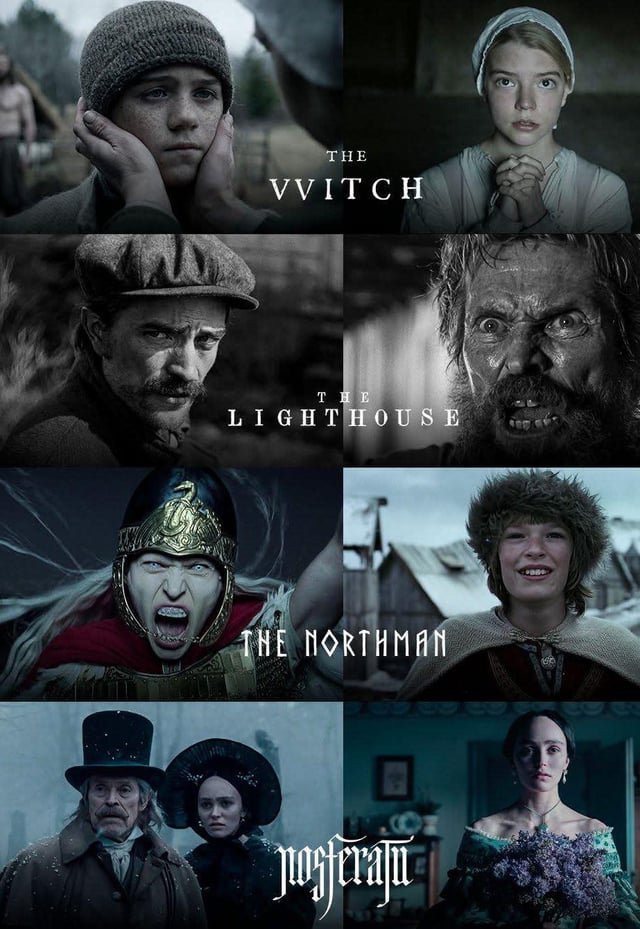
At first glance, that sounds like a pretty strange pairing. Eggers has built his career around The Witch, The Lighthouse, The Northman and Nosferatu, films known for their period detail, oppressive atmosphere, and, in some cases, things that would make you think twice about sleeping with the lights off. Now he is taking on one of the most famous love stories ever written.
Except there is something we should probably remember before assuming Eggers is making some wild departure from his usual territory: Romeo & Juliet is already pretty damn dark.
Focus Features has landed Eggers’ next project following a bidding war involving A24, Sony and Warner Bros. Eggers will direct and produce the adaptation, which is expected to feature actors speaking in Olde English. The budget is reportedly in the high $70 million range. No cast or production date has been announced yet as reported by The Hollywood Reporter.
So what happens when one of modern horror’s most detail-obsessed filmmakers gets his hands on Shakespeare’s tragedy of teenage love, family warfare, and death?
Well, that is where things get interesting.
Romeo & Juliet Was Never Exactly Sunshine and Roses
We all know the basic story. Romeo Montague meets Juliet Capulet. They fall in love despite their families being locked in a violent feud. They secretly marry. After Mercutio is killed, Romeo kills Tybalt and is banished from Verona. Juliet is forced toward another marriage, so Friar Lawrence gives her a potion that makes her appear dead. The plan goes spectacularly wrong.
Romeo hears that Juliet has died, buys poison, and heads to the Capulet tomb. He finds Juliet apparently dead, kills himself with the poison, and dies beside her. Juliet wakes up, discovers Romeo’s body, and then kills herself with his dagger. Their deaths finally bring the families’ feud to an end. That is not exactly a lighthearted romance.
The tomb sequence alone is practically begging for an Eggers treatment. Juliet is placed inside her family’s burial vault alongside the dead, Romeo arrives expecting to find the woman he loves dead, Paris is killed, Romeo drinks poison and Juliet wakes to find his corpse beside her before taking his dagger and ending her own life. Shakespeare literally describes the tomb as a place of “death, contagion” and unnatural sleep.
Eggers does not have to add horror to that. He could simply let the horror breathe.
The Story Goes Back Much Further Than Shakespeare
There is another reason this project is particularly fascinating for Eggers.
Shakespeare did not invent Romeo and Juliet.
The story had already been circulating for centuries before Shakespeare wrote his version in the 1590s. Earlier Italian versions include stories by Luigi da Porto and Matteo Bandello, while Arthur Brooke‘s 1562 poem, The Tragical History of Romeus and Juliet, became Shakespeare’s primary source. Earlier versions can be traced even further back to Masuccio Salernitano‘s 15th century tale of Mariotto and Gianozza.
Shakespeare’s version is simply the one that became the definitive version for generations of audiences.
That history gives Eggers a pretty deep well to draw from if he wants to explore the world surrounding these characters rather than treating the story as another glossy period romance. And considering how much attention Eggers puts into historical environments, the world itself could become a character.
There Is Plenty of Darkness Already
One thing worth clearing up is the time period. Shakespeare wrote Romeo & Juliet in the 1590s, but the story itself is set in Verona and Mantua, Italy, rather than specifically in the 1600s. The earlier Italian versions also place the story in a much earlier setting. That actually makes the historical possibilities even more interesting. Eggers has always shown an interest in making the past feel lived in rather than simply decorating a movie with old buildings and costumes. A version of Romeo & Juliet could put real weight behind the streets of Verona, the religious world surrounding the characters, the social divisions between families and the ever present threat of violence.
Did we mention the Black Plague was happening during this period as well? Shakespeare actually uses the plague as a crucial part of the story. Friar John is unable to deliver Friar Lawrence’s message to Romeo because his house is sealed after being suspected of infection. The friar is sealed in to a home that has the plagues o imagine people coughing, dying, and it being a pretty grim scene especially because he will never leave alive. That failure is what helps set the final tragedy in motion. Imagine Eggers’ version of that world.
Dark streets. Religious imagery. Disease. Corpses. Family members killing one another in the streets. A young girl being carried into a family crypt surrounded by the dead. A desperate teenager purchasing poison from an apothecary. Then that final sequence inside a tomb.
Starting to see our point? Egger’s doesn’t need to invent anything; it’s already in the story.
Then There Is Juliet’s Age
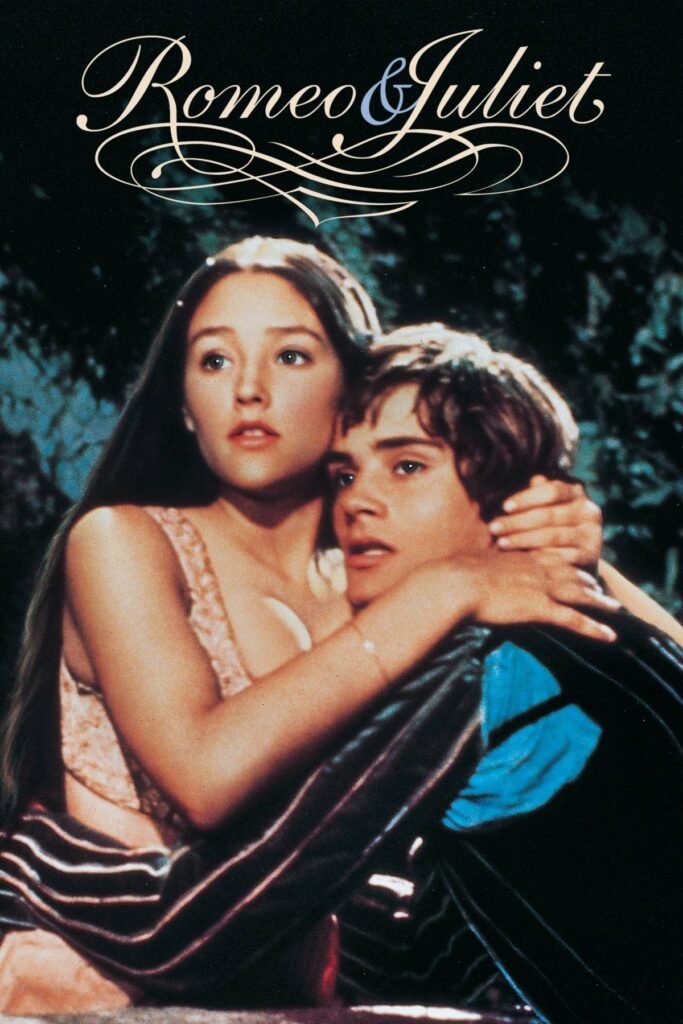
There is another element that could make this adaptation considerably more uncomfortable for modern audiences.
Juliet is not almost 20. She is not 17. Shakespeare specifically makes her younger than 14. The Nurse repeatedly establishes her age, and modern scholarship notes that Shakespeare actually made Juliet younger than the heroines in his earlier sources, which generally made her older. Romeo’s exact age is never given, although Shakespeare repeatedly describes him as young.
That means casting this version will require considerable care, particularly if Eggers intends to preserve Shakespeare’s original characterization rather than aging the characters up for a modern audience. It also adds another layer to the tragedy. These are extremely young people making enormous decisions while surrounded by adults who have created the violent world they are desperately trying to escape.
From Baz Luhrmann to Robert Eggers
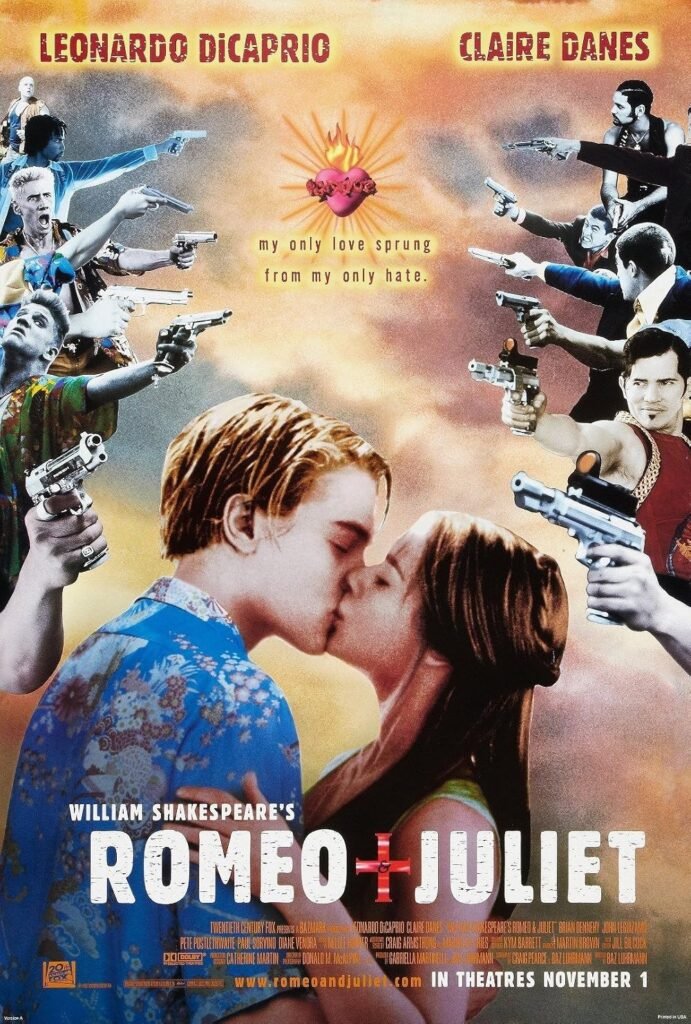
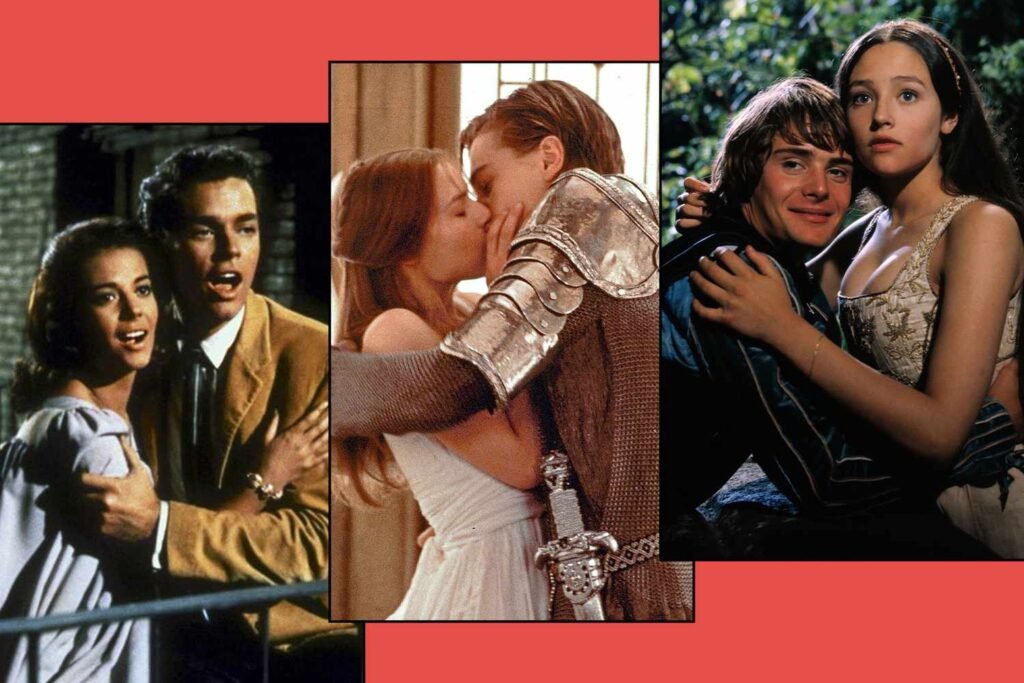
Of course, this is not the first time someone has taken Romeo & Juliet and completely reimagined it. Baz Luhrmann’s 1996 Romeo + Juliet turned Shakespeare’s Verona into a neon-soaked modern world, complete with Leonardo DiCaprio and Claire Danes as the doomed lovers. John Leguizamo‘s Tybalt was also an absolute scene-stealer.
Eggers obviously has a very different cinematic language. His version could be another straight adaptation of Shakespeare’s tragedy, and there is nothing wrong with that. The real curiosity is whether he will lean into the elements that have always been sitting beneath the romance.
Because beneath the famous balcony scene and declarations of eternal love is a story about a blood feud, murder, banishment, religious anxiety, disease, a young woman being pressured into marriage, a crypt filled with corpses and two teenagers who ultimately die together.
That is not a horror movie. That is Romeo & Juliet, and if Robert Eggers decides to embrace the darkness already sitting inside Shakespeare’s story, he may not need to change the tragedy at all.
We will wait and see where this film takes us.
[…] Eggers also already has his next project taking shape. Following WERWULF, the filmmaker is set to tackle one of the most famous stories in literature with a new adaptation of William Shakespeare’s ROMEO & JULIET. […]