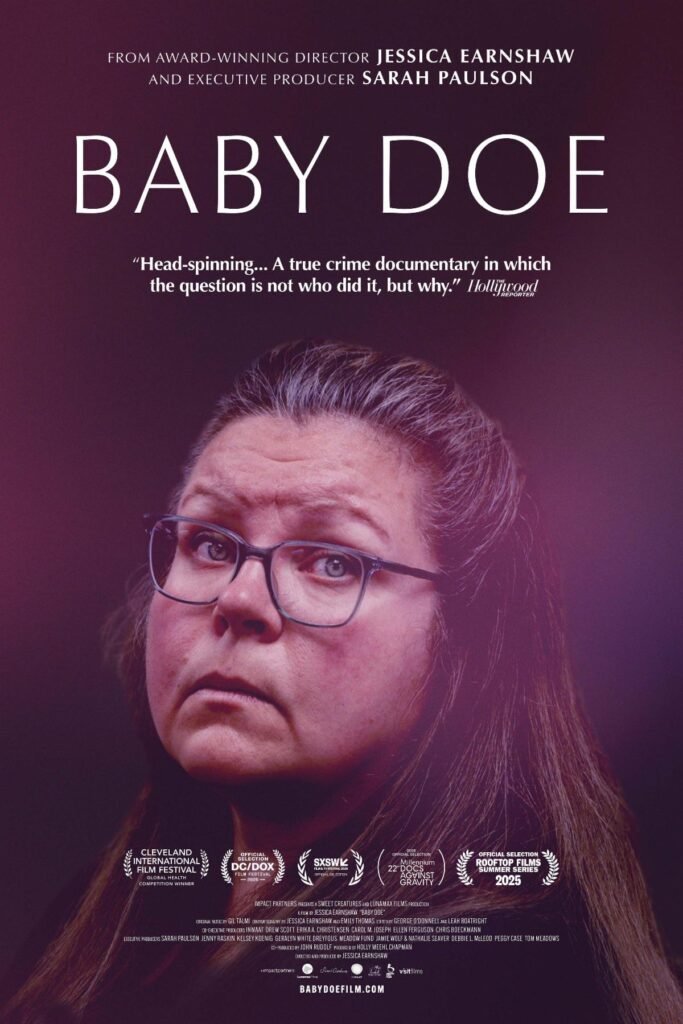

True crime documentaries have a way of taking cases we thought we understood and forcing us to look at them again. Baby Doe, the documentary from filmmaker Jessica Earnshaw, does exactly that with one of Ohio’s most haunting cold cases.
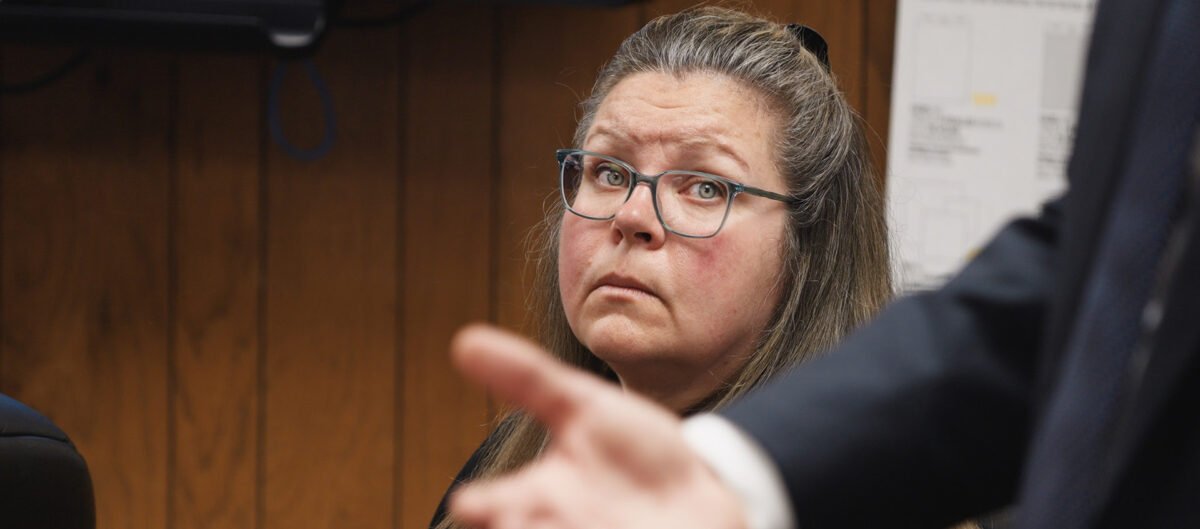
The film follows the case of Gail Ritchey, a young woman who, in 1993, gave birth alone in rural Ohio. Her newborn was later found in the woods, but the case remained unsolved for decades. In 2019, advances in DNA technology connected Ritchey to the child, known as “Geauga’s Child,” and the discovery transformed the life she had built in the years since.
By then, Ritchey was a wife, mother of three, and grandmother living what appeared to be an ordinary suburban life. Her arrest brought a decades-old tragedy roaring back into the spotlight, along with questions surrounding what happened that night and Ritchey’s claim that the baby was stillborn. She was ultimately convicted of murder and sentenced to life in prison with parole eligibility after 15 years.
That complicated history is where Baby Doe separates itself from the typical true crime treatment.
WATCH THE TRAILER FOR BABY DOE BELOW
Directed by Jessica Earnshaw, whose previous documentary Jacinta also explored the intersection of women, family and the criminal justice system, the film spends considerable time with Ritchey and her family. Rather than simply reconstructing the case through police reports and courtroom testimony, Earnshaw examines the circumstances surrounding it and the forces that shaped Ritchey’s life before and after the arrest.
The documentary also explores pregnancy denial and the questions surrounding women’s health, religious pressure, shame and the criminal justice system. Interviews with Ritchey’s family, members of her church community, law enforcement and a forensic psychologist add different perspectives to a story where the available answers are anything but simple.
That makes Baby Doe an especially timely documentary. Recent high profile cases involving mothers accused of harming their children have once again brought intense public attention to questions surrounding maternal mental health, criminal responsibility and the way these stories are presented in the media. Those cases are not interchangeable, and Baby Doe is not a documentary about them, but Earnshaw’s film arrives at a moment when those larger questions are very much part of the public conversation.
The documentary premiered in competition at SXSW in 2025 before making its way through festivals across the country. It also won the Global Health Competition at the Cleveland International Film Festival.
For true crime fans, Baby Doe offers something more difficult than a simple mystery with a convenient ending. The identity of the mother was eventually established through DNA, but the larger questions surrounding what happened, why it happened and how society responds to women caught in circumstances like these are far more complicated.