
G’day, dear readers. Welcome to your personal Australian tour of terror. I’m Rhiannon Elizabeth Irons, and I’ll be your tour guide as we venture into the macabre that only the unforgiving Australian landscape can truly provide. It is recommended that you keep your hands and arms inside the car at all times. Things are about to get messy.
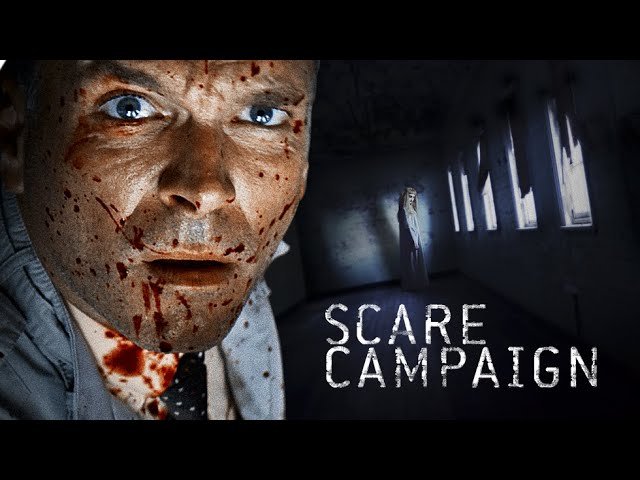
Continuing our Outback Spotlight series, we are examining the clever, bloody and modern meta-horror film Scare Campaign (2016). Directed by the successful sibling duo Colin and Cameron Cairnes (of 100 Bloody Acres), this film takes a direct shot at reality TV and digital sensationalism, asking a dark question: When the pranks go too far, who is the real victim? It’s a stylish film that moves beyond the bush and into the realm of modern digital cruelty.
Before I can continue, this is your only warning: there may be spoilers ahead.
WATCH THE TRAILER FOR “SCARE CAMPAIGN” BELOW
The Show Must Not Go On
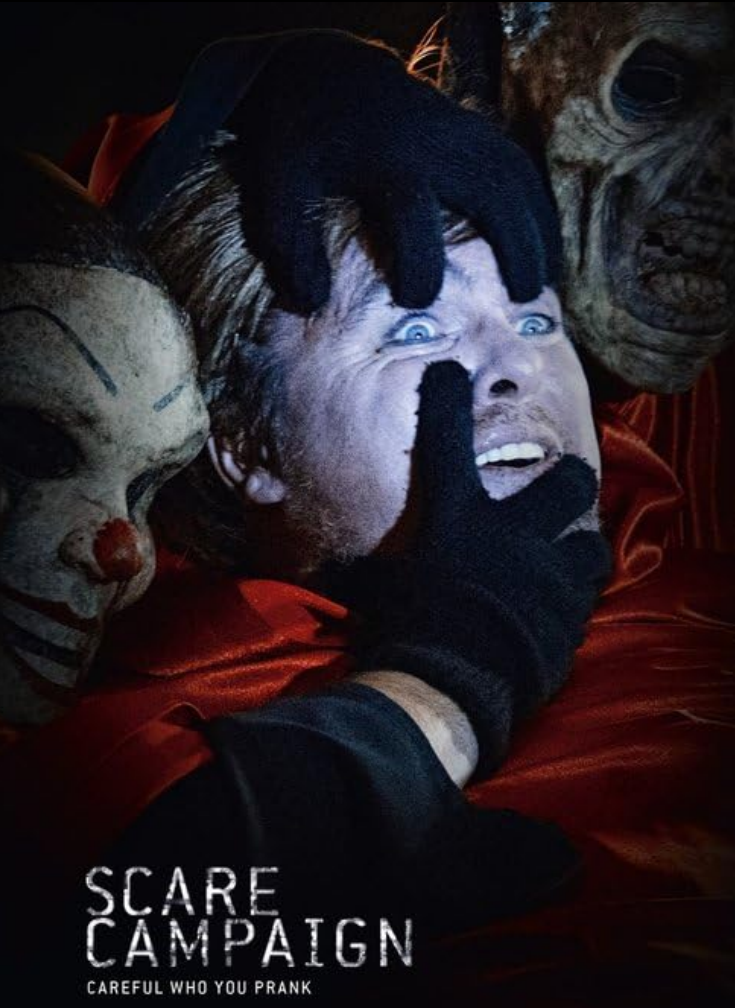
The film focuses on the crew of a popular, long-running hidden-camera horror show also called Scare Campaign. The show’s premise involves staging elaborate, high-budget scares in abandoned locations for an unsuspecting victim, all captured on hidden camera for public viewing. The crew is led by the passionate but creatively frustrated director, Marcus (Ian Meadows).
The show is facing a crisis: it’s losing viewers to a new breed of online extreme-prank video, which is cheaper, faster and far more violent. In a desperate attempt to stay relevant, Marcus and his crew, which includes the show’s star, the cruel and arrogant lead actor Tony (Josh Quong Tart), plan their most ambitious scare yet: a full-scale assault on an unsuspecting maintenance man inside an abandoned mental asylum.
However, the crew soon realises that they are no longer in control of the horror. The real victim they chose might be far more dangerous than anyone they could have invented, and the elaborate layers of their prank begin to crumble, revealing a genuine, deadly threat.
Horror in High Definition
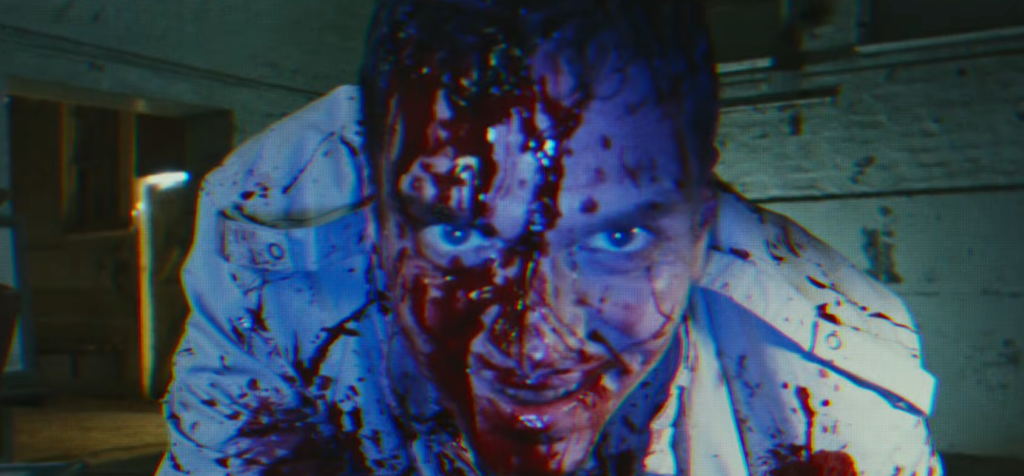
The Cairnes brothers direct Scare Campaign with energy and dark humour. The film’s brilliance lies in its self-aware structure. The early scenes, where the crew is meticulously setting up the scares, are just as tense as the final scenes, allowing the audience to become co-conspirators in the deception. The use of multiple camera feeds, night vision and hidden mics turns the asylum into a genuine, claustrophobic maze of fear.
The film successfully plays with the audience’s expectations. We, like the victim, are constantly trying to determine what is real, what is staged and what is the deadly consequence of the film’s increasingly complex plot twists.
When the tables turn and the genuine violence begins, the film delivers on its promise of gore. The kills are shocking, sudden and often brutally inventive, utilising the asylum’s environment for maximum visceral effect. The horror is rooted in the contemporary fear of losing control of your own narrative and being consumed by a demand for viral content.
Thematic Devolution: The Thirst for Extreme Content
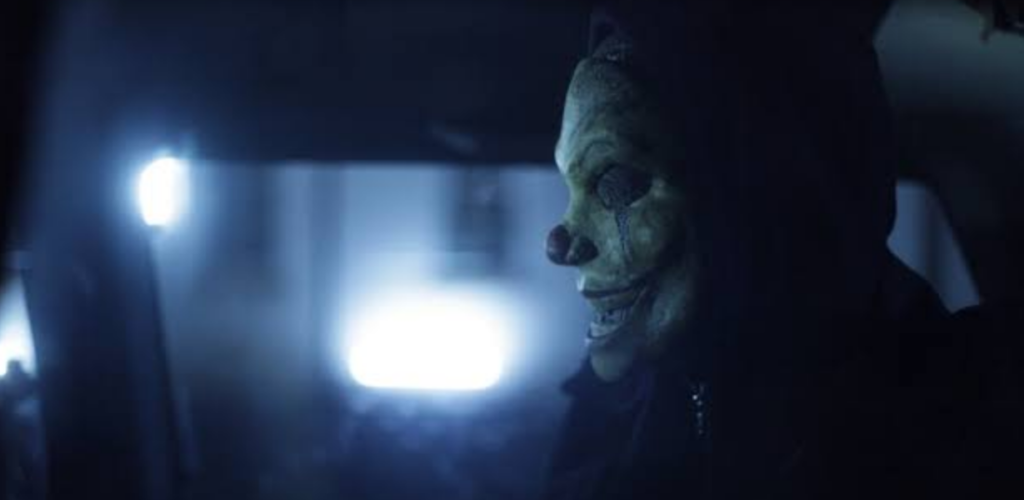
Scare Campaign is a sharp, timely critique of the media’s escalating pursuit of spectacle and the blurring lines between entertainment and real harm. The film explores the ethical void that develops when creatives prioritize ratings and views over human decency. The crew represents a form of modern, digital narcissism, believing they are above the consequences because everything is “just content”.
The asylum setting adds a thematic layer of isolation and institutional cruelty. The location, steeped in its own history of suffering, serves as the perfect backdrop for the modern “psychological torture” of reality TV. The true monster is the insatiable public demand for ever more extreme content, a hunger which ultimately turns the hunter into the hunted.
Production Highlights and Behind the Scenes
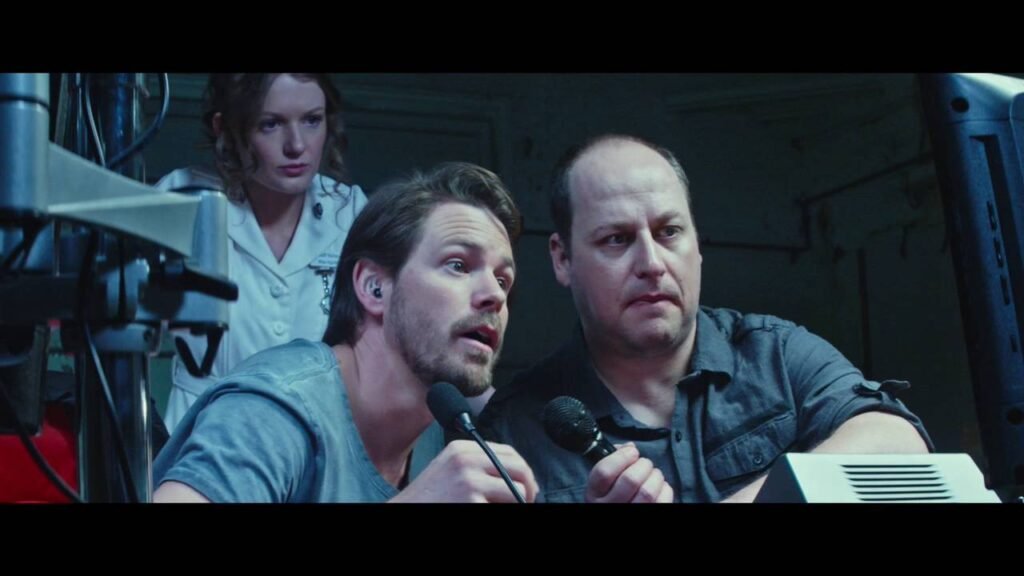
Beyond the tense plotting and clever direction, Scare Campaign holds some fascinating production details that underscore its impact:
- Location, Location, Location: The film was shot in the historic and genuinely creepy Beechworth Lunatic Asylum in Victoria, which adds an immediate, authentic layer of dread to the setting.
- Meta-Commentary: The Cairnes brothers stated that the film was inspired by their observations of reality television and the increasing pressure for content creators to push boundaries for attention.
- Sibling Synergy: The creative partnership between Colin and Cameron Cairnes is notable for its ability to balance dark, situational comedy with uncompromising genre brutality, a skill perfected in their previous work.
Conclusion: A Viciously Necessary Gem
Scare Campaign is a smart, energetic and highly enjoyable piece of Australian horror that holds a mirror up to our modern obsession with manufactured fear. It succeeds because it uses its clever meta-narrative to deliver genuine shocks and compelling plot twists. It’s a fun, frantic ride that proves sometimes the most dangerous thing you can do is film yourself.
Verdict: An essential watch for fans of modern, self-aware horror that tackles media and technology with equal parts satire and splatter.
Continuing the Outback Spotlight column, this review explores another facet of the raw, visceral nature of Australian horror. Stay tuned for more terror from Down Under!