
There’s a reason we don’t get nearly as many werewolf movies as we do vampire movies. Werewolves are a difficult monster to bring to the screen. They require elaborate transformation sequences, extensive makeup, practical creature effects, visual effects, and, most importantly, a filmmaker willing to get downright nasty. There’s a lot of pain, blood, gore, hair, and flesh involved. It’s a commitment. Vampires can get away with a little more elegance. Werewolves? Not so much. When somebody turns into a giant, bloodthirsty beast, you better give the audience something worth sinking their teeth into.
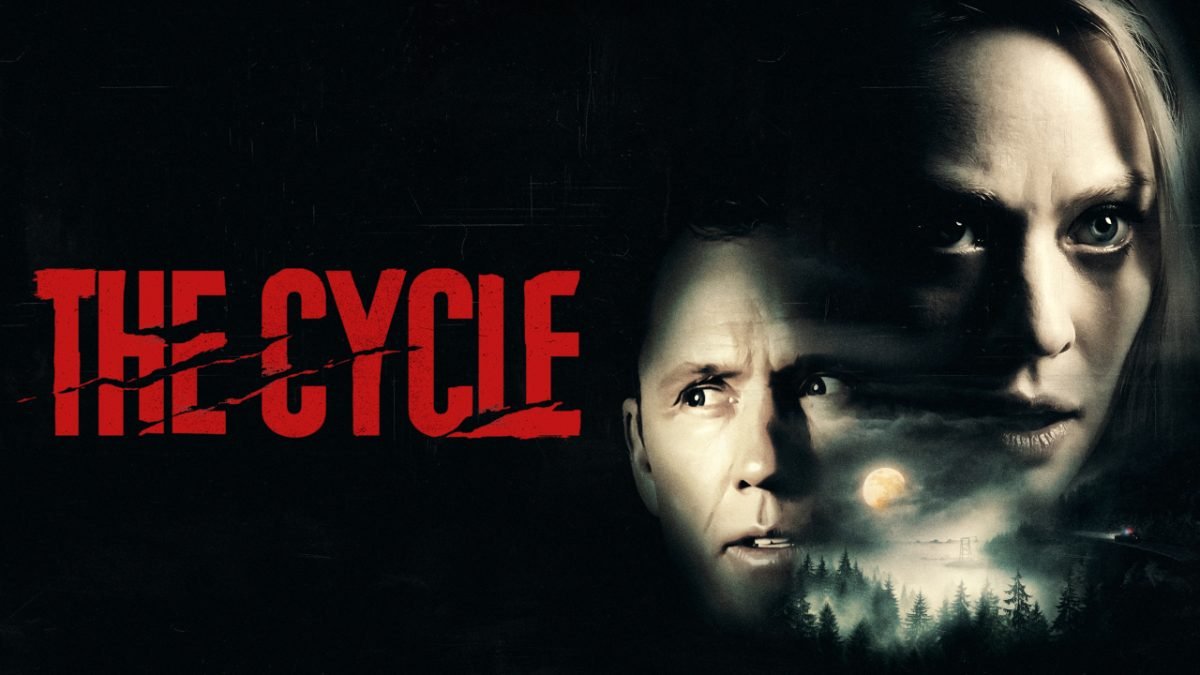
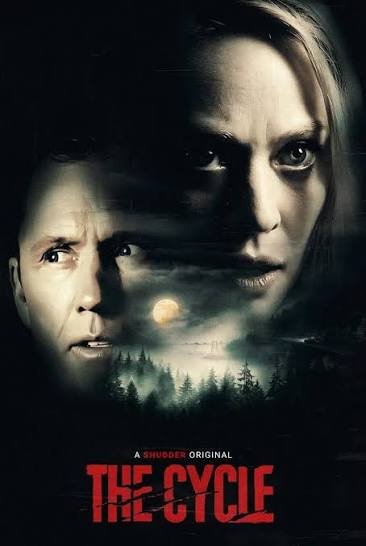
With renewed interest in the genre building ahead of Robert Eggers‘ upcoming Werwulf, I’ve been keeping an eye out for something that scratches that particular itch. That’s when I stumbled across Jordan Downey’s The Cycle, a 2026 horror film that arrived on Shudder without much fanfare. What I found was a movie that reminded me just how much fun a good werewolf picture can be, even if getting there takes a little patience.
A Mystery Before the Monster
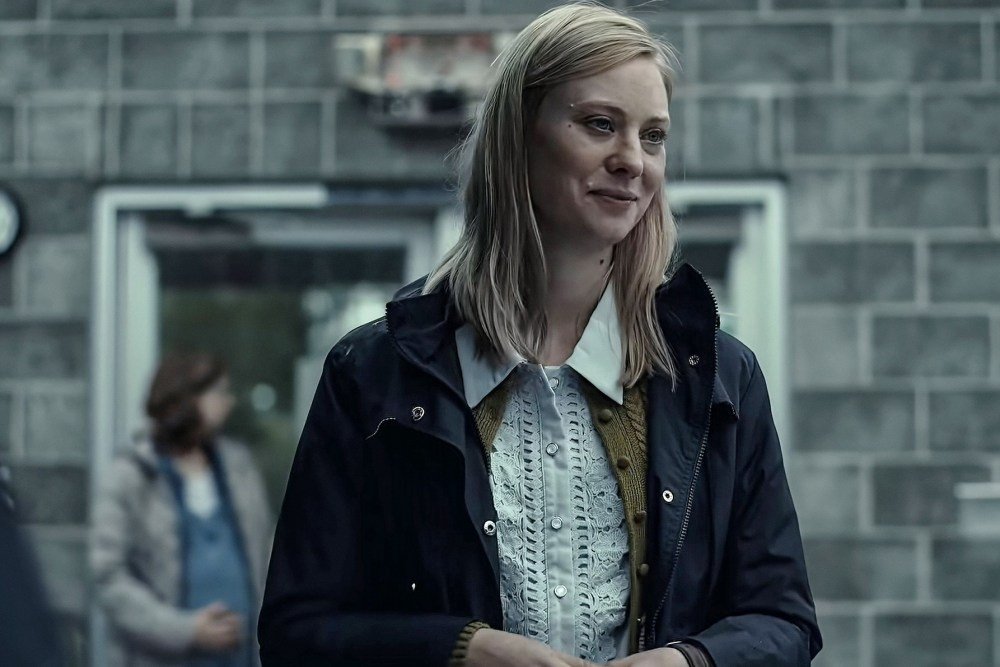
The film opens with a grisly discovery. A man who disappeared 36 years earlier is found dead at the scene of a horrific crime. His estranged daughter, Meg Garland (Deborah Ann Woll), is a forensic anthropologist brought into the investigation. There’s just one problem: the dead man is her father. (Cue the big band fanfare, DUN DUN DUNNNN!!)
WATCH THE TRAILER FOR “THE CYCLE” BELOW
What follows is an increasingly unsettling investigation that initially feels more like a crime thriller than a traditional monster movie. Downey takes his time establishing the mystery, allowing the audience to investigate alongside Meg as she tries to understand what happened to her father and why his remains have surfaced under such disturbing circumstances. The film feels like a true mystery film from the get-go…until it isn’t.
This is where The Cycle is at its strongest. We’ve always been fans of true crime here at TrulyDisturbing, so going into this one completely blind, without knowing anything about the story, made for a great viewing experience. We found ourselves getting wrapped up in the crime procedural and mystery, slowly piecing things together alongside Meg, only to realize we were being drawn into a much bigger trap, one set by a werewolf.
The first act is an effective slow burn. There’s a forensic quality to the storytelling that gives the film an unusual identity. We’re examining evidence, looking for clues, and trying to piece together a disturbing history. Meg’s personal connection to the case adds another layer, giving the investigation an emotional foundation beyond simply finding out what killed somebody. We were hooked.
Woll does an excellent job carrying this material. We know she is no stranger to monsters and the supernatural, coming from the hit HBO show TRUE BLOOD at the start of her career. She’s convincing as a woman whose professional understanding of death is suddenly challenged by something that refuses to make sense. Her performance gives Meg a grounded quality that becomes increasingly important as the film moves into stranger territory.
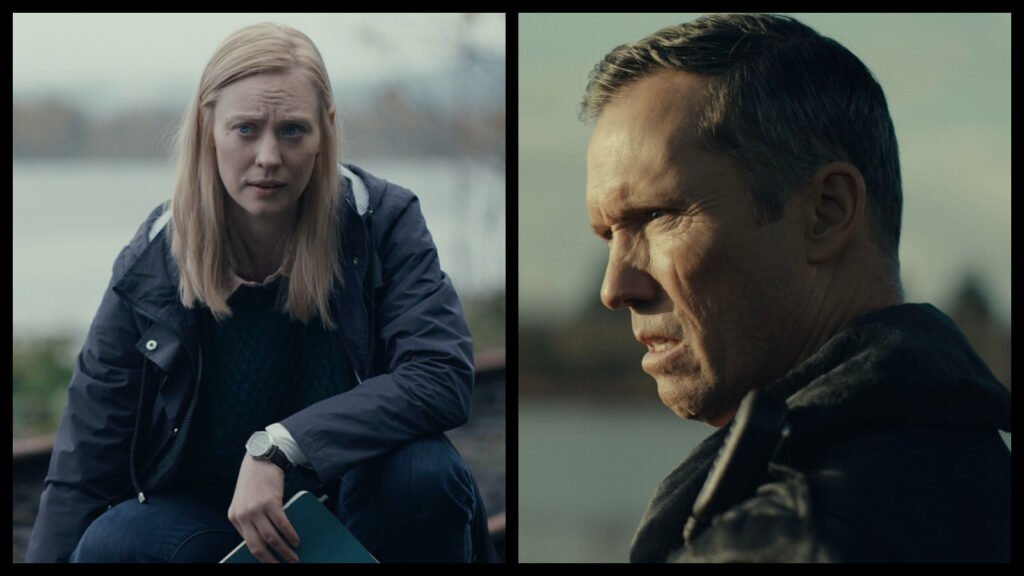
Jeffrey Donovan, meanwhile, is equally enjoyable as Detective Marks. Known for his work in Burn Notice and Fargo, Donovan brings a natural presence to the investigation. We’ve seen him play a cop a few times in the past, so Donovan comes off as believable and serious when he needs to be. The chemistry between him and Woll helps sell the procedural side of the story, and both performers give the increasingly bizarre circumstances the seriousness they deserve.
Then comes the second act, where things get a little wonky.
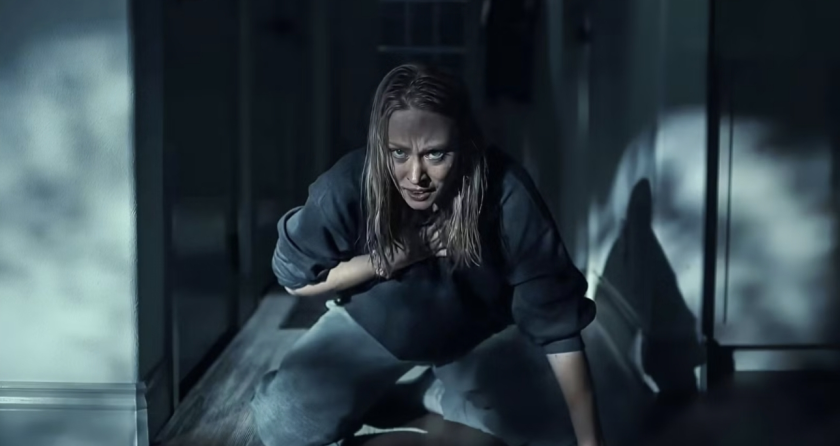
As the investigation progresses, the film begins introducing mythology, folklore, and supernatural explanations that take the story in a different direction. There’s an interesting attempt to incorporate Native American supernatural lore and the mythology surrounding skinwalkers, but the additional mythology doesn’t always blend as smoothly with the grounded forensic mystery established earlier. It can feel like the movie is trying to introduce a few too many ideas at once.
Still, I appreciated the ambition. Werewolf mythology has been explored in countless ways, and I’m always interested when a filmmaker attempts to take an established creature and give it a different set of rules.
And The Cycle has one hell of a rule…
WARNING: SPOILERS AHEAD
Apparently, dying doesn’t necessarily mean your werewolf days are over.
That’s where the movie really starts to separate itself from the pack. The revelation that the creature can be an undead werewolf is a wonderfully twisted concept. The curse doesn’t simply disappear when the body dies. Instead, something continues to inhabit the corpse, and when the time comes, that corpse becomes a walking, snarling nightmare. It’s a ridiculous concept in the best possible way, and one I haven’t seen explored quite like this before. By the time the third act arrives, the film has abandoned much of its detective-story restraint and embraced its identity as a full-blown creature feature.
Practical Effects and Werewolf Carnage
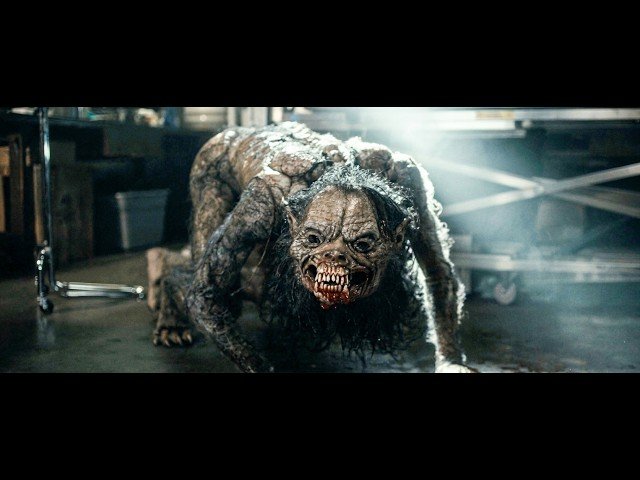
The special effects are easily one of the film’s biggest selling points. Patrick Magee and his effects team deserve considerable credit for the creature work, particularly the transformation sequences and the physical design of the werewolf. This isn’t a movie that seems interested in hiding its monster behind quick cuts or relying entirely on computer-generated imagery to do the heavy lifting. Once this thing starts moving and convulsing, you know something bad is about to happen.
The creature has an almost broken appearance to it. Its anatomy is twisted, its face is uneven, and its movements feel unnatural. (Just look at the image above). There’s something particularly disturbing about a monster that looks like its transformation has gone wrong. Trevor Newlin, who physically performs the creature, adds another dimension to the effects by giving the beast an actual physical presence.
Downey has clearly taken inspiration from the practical-effects masters who helped define werewolf cinema. You can feel that appreciation for the old-school craftsmanship associated with films like An American Werewolf in London and The Howling. The transformation work is particularly important here because it’s something modern werewolf movies sometimes seem reluctant to fully embrace. You see so many cut scenes regarding werewolf transformations you’d think it was a shaving commercial instead of a werewolf picture. The edits are insane. Or the transformation takes place in shadow and is not fully made seen…not in The Cycle. You see everything in all its painful glory. We think Special Effects legend Rick Baker would be proud of this one.
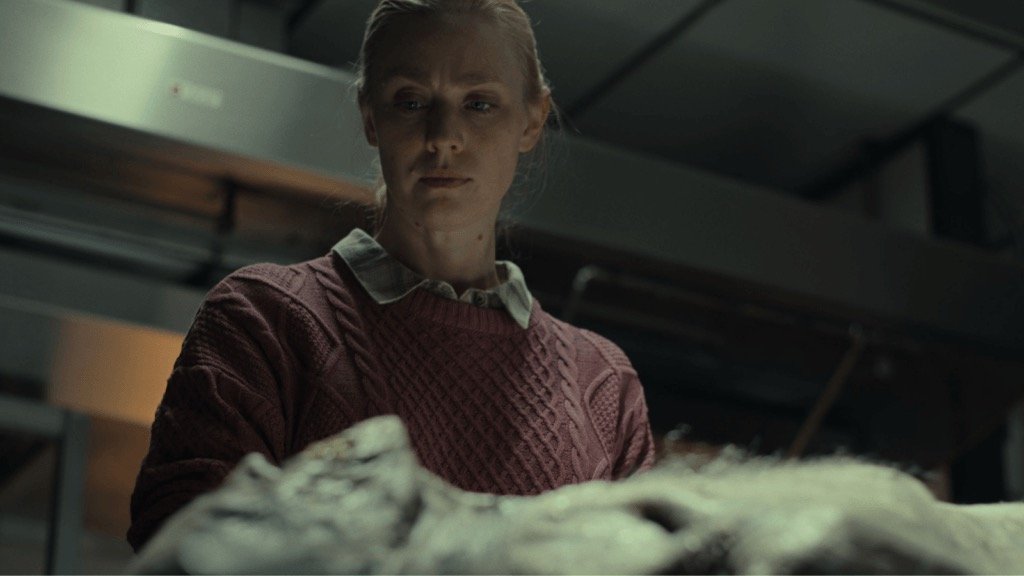
The gore deserves its own mention, too. There’s plenty of blood, mutilation, and downright nasty imagery throughout the picture. Ever seen an undead zombie werewolf get maced in the eye at close range? You will when you watch “The Cycle.” The early forensic sequences establish a pretty gruesome atmosphere, but the third act really lets the effects department loose. This is the kind of carnage I’ve missed in werewolf movies. Give me practical makeup, a convincing creature, and some genuinely disgusting kills. That’s what I came looking for.
Behind the camera, Downey and cinematographer Kevin Stewart create a deliberately gloomy atmosphere that suits the investigation. The visual approach helps establish the film’s crime-thriller identity before the supernatural elements take over. Nick Soole‘s musical score also contributes to that creeping sense of unease, helping bridge the gap between the investigative drama and the creature-feature madness.
I also would have liked a little more time with the characters and their relationships. The performances are strong enough that there’s room to explore more of that material. Still, the movie manages to make its central mystery interesting enough to keep you watching until the monster finally comes out to play.
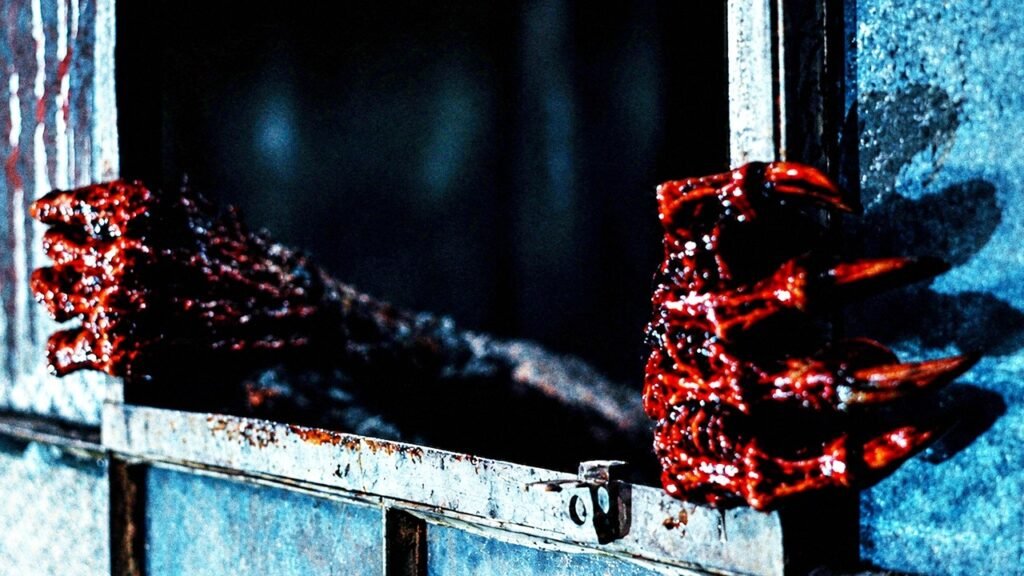
At approximately 111 minutes, The Cycle doesn’t overstay its welcome, even with its deliberate first-half pacing. It’s a relatively compact story that knows where it wants to go, even if the journey occasionally takes a few strange turns in the moonlight.
FINAL WORD
Ultimately, The Cycle is the kind of horror movie that could easily fly under your radar. It didn’t arrive with a massive theatrical campaign, and its Shudder release makes it the sort of discovery you might stumble across while scrolling through your streaming options looking for something to watch.
I’m glad I gave it a chance.
Werewolf movies are difficult to get right, and The Cycle isn’t without its problems. The story occasionally gets tangled up in its own mythology, and the pacing won’t work for everybody. But when it finally unleashes its monster, it delivers the bloody goods.
I walked away appreciating the effort that went into bringing this particular creature to life. Sometimes you just need a horror movie that remembers monsters are supposed to be monstrous.
“THE CYCLE” (2026): 🌕🌕🌕🌑🌑
THREE MOONS OUT OF FIVE.