
With Halloween just two weeks away, we’re looking back at one of history’s most disturbing texts, a book that helped turn fear of witchcraft into a weapon of persecution.
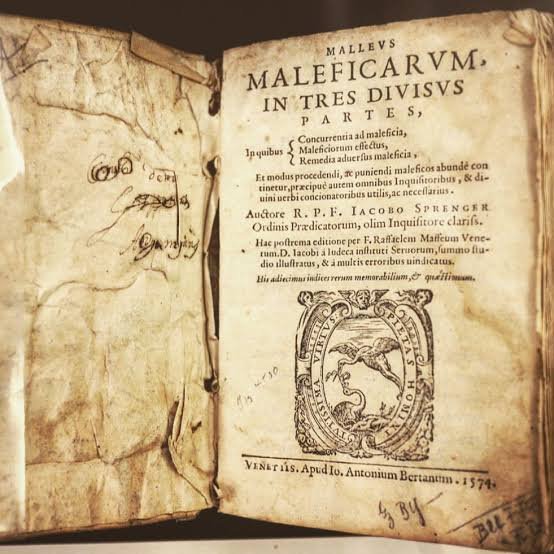
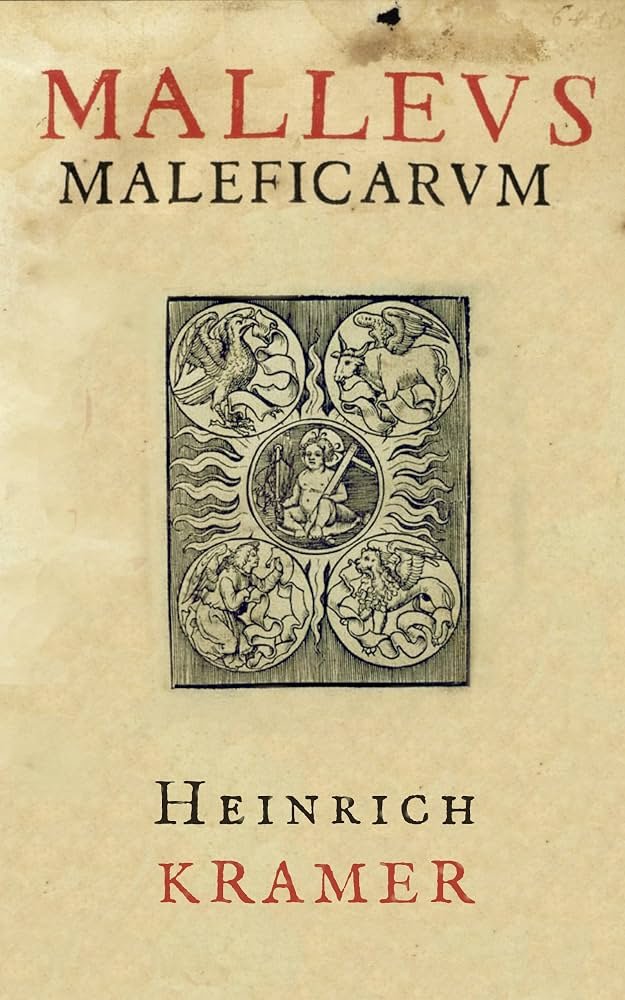
It’s just two weeks until Halloween, and one book that has popped into our mind we cannot shake is over 400 years old, “Malleus Maleficarum“, better known as the Hammer of Witches. Few books in history have left such a disturbing mark on the relationship between superstition, religion, and human cruelty, so why not discuss it here at TrulyDisturbing, naturally.
A Handbook for Hunting Witches
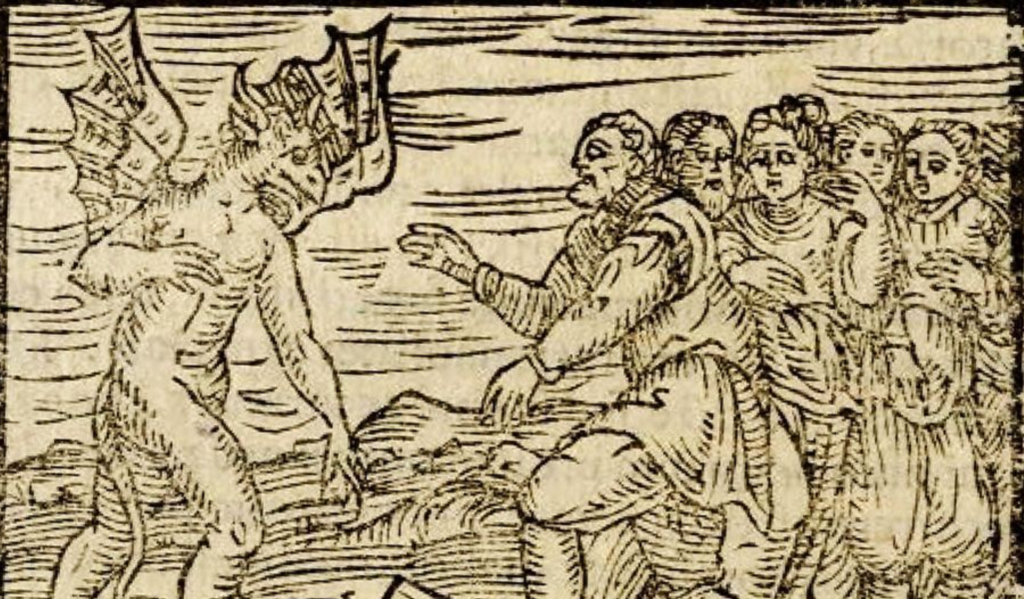
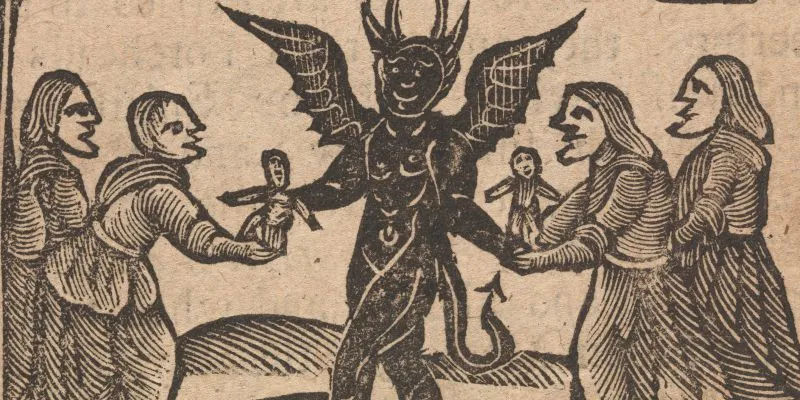
First published in 1487, the book was written by Heinrich Kramer, a Dominican inquisitor who sought to convince authorities that witchcraft was a genuine and organized threat to Christianity. Its pages presented witches as servants of the Devil who allegedly rejected their faith, engaged in sexual relations with demons, and used supernatural powers to inflict suffering on their neighbors. Women were its primary targets, reflecting the deeply misogynistic beliefs woven throughout the text.
The Malleus Maleficarum wasn’t simply a collection of frightening stories about the supernatural. It attempted to provide a framework for identifying, interrogating, and prosecuting people accused of witchcraft. Kramer argued that witchcraft was real, that those who practiced it threatened the Christian order, and that denying the existence of witches could itself be considered heretical.
That final idea helped create a terrifying situation. Once disbelief could be treated as evidence of heresy, challenging the accusations became far more dangerous. The book offered supposed religious justification for pursuing suspected witches while outlining methods of interrogation that included coercion and torture. Under such conditions, an accusation could become a nightmare from which there was no easy escape.
The Human Cost of Witchcraft Accusations
The consequences were devastating. Across Europe, accusations of witchcraft destroyed lives, fractured communities, and sent innocent people to their deaths. The major European witch hunts took place primarily between the 15th and 18th centuries, with the most intense period occurring during the late 16th and 17th centuries. Historians estimate that roughly 40,000 to 60,000 people were executed for witchcraft in Europe during this era, the majority of them women.
Although the Malleus Maleficarum became one of the most infamous witch-hunting texts, it did not single-handedly cause the European witch hunts. Its authority was disputed, and it was never the universal legal manual that popular accounts sometimes suggest. Nevertheless, it circulated widely in printed editions and helped reinforce beliefs that made persecution possible. It gave existing fears a structure and lent an air of religious legitimacy to accusations that could otherwise have been dismissed.
When Fear Became a Weapon
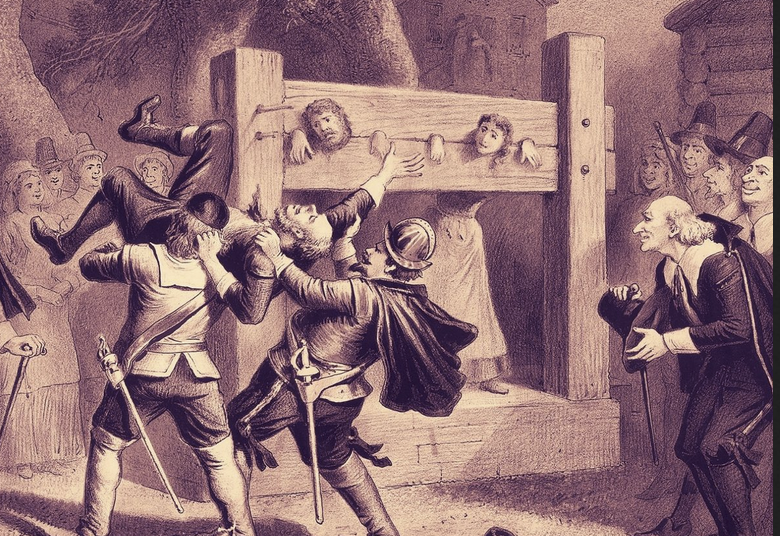
The book also reveals something deeply unsettling about the period in which it was written. Fear of witchcraft did not exist in isolation. Religious conflict, social tensions, disease, crop failures, and personal grievances could all contribute to accusations. When communities searched for someone to blame for misfortune, the language of witchcraft offered a convenient explanation. A neighbor, a widow, or a woman already viewed with suspicion could suddenly become the focus of a prosecution.
And that is what makes the Malleus Maleficarum so disturbing centuries later. Its horror doesn’t come from proving that demons were walking among ordinary people. It comes from showing how confidently people could claim to recognize evil in their neighbors and then justify extraordinary cruelty in the name of fighting it.
A Dark Legacy That Survives Today
As Halloween approaches, we’re surrounded by witches, haunted houses, demons, and stories of the supernatural. The Malleus Maleficarum belongs to a different kind of horror. It reminds us that the darkest chapters of history were not written by supernatural forces, but by people who believed their fear gave them permission to punish others.
The Hammer of Witches remains a chilling historical artifact, not because it reveals the truth about witchcraft, but because it documents how suspicion and fanaticism can become instruments of violence. Its legacy is a warning about what happens when fear is transformed into doctrine and accusations are allowed to stand in place of evidence.
Five Horror Movies That Feature or Reference the Malleus Maleficarum
The book has also appeared in, or been referenced by, several horror films, where its reputation as a manual of demonic knowledge and witch-hunting authority makes it an especially effective prop.
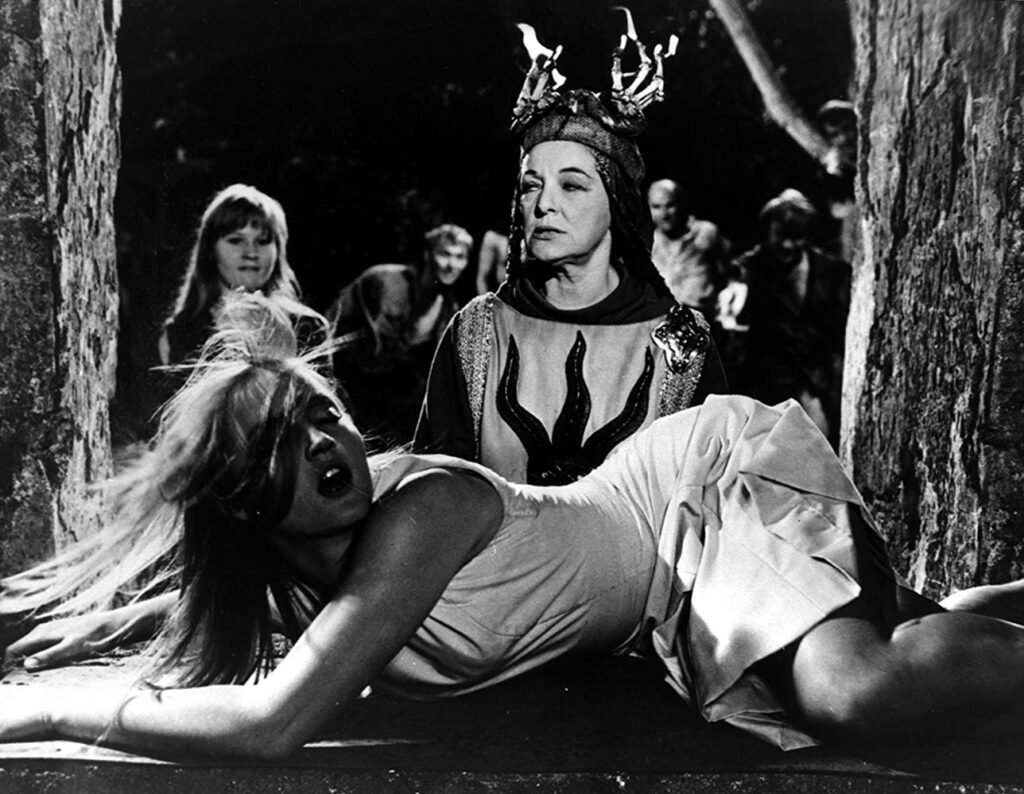
1. The Witches (1966) — This British Hammer horror film, starring Joan Fontaine, draws on the imagery of witchcraft, demonic ritual, and occult investigation. The Malleus Maleficarum is associated with the film’s scholarly and supernatural atmosphere, making it a natural reference point for its depiction of witchcraft.
2. The Devil Rides Out (1968) — Another Hammer classic, adapted from Dennis Wheatley’s novel, this film follows an aristocratic occultist who attempts to rescue a friend from a Satanic cult. The Malleus Maleficarum fits into the film’s world of forbidden books, demonology, and ritual magic, where ancient texts are treated as dangerous sources of knowledge.
3. The Exorcist (1973) — William Friedkin’s landmark possession film invokes the long history of Catholic demonology and the Church’s struggle to identify and confront evil. The Malleus Maleficarum is referenced in connection with the historical literature surrounding demons, witchcraft, and religious investigations.
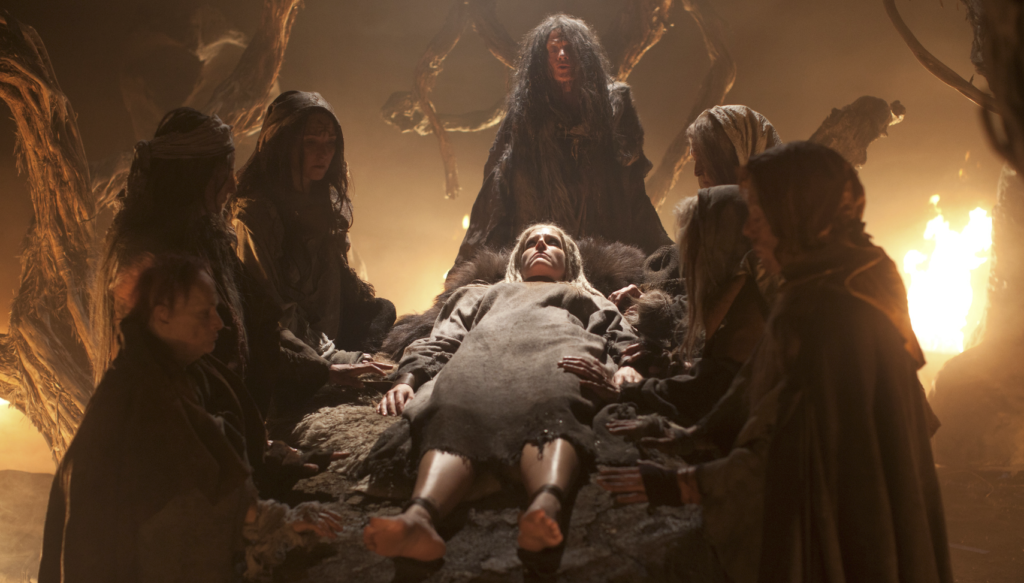
4. The Lords of Salem (2012) — Rob Zombie’s film centers on a modern Satanic conspiracy rooted in the persecution of witches. Its imagery draws heavily on historical witch-hunting traditions, and the Malleus Maleficarum is referenced as part of the occult and historical material surrounding the film’s mythology.
5. The Witch (2015) — Robert Eggers’s period horror film presents a deeply religious world in which fear of Satan, temptation, and witchcraft shapes every aspect of family life. Although the film is not a direct adaptation of the book, its depiction of seventeenth-century witchcraft beliefs reflects the same demonological tradition that the Malleus Maleficarum helped popularize.
These films use the book in different ways. Sometimes it appears as a literal object; sometimes its influence is felt through the language of demonology, witch-hunting, and religious fear. In each case, the Malleus Maleficarum serves as a reminder that horror often becomes most powerful when it draws on real historical anxieties.